By Bilal Khan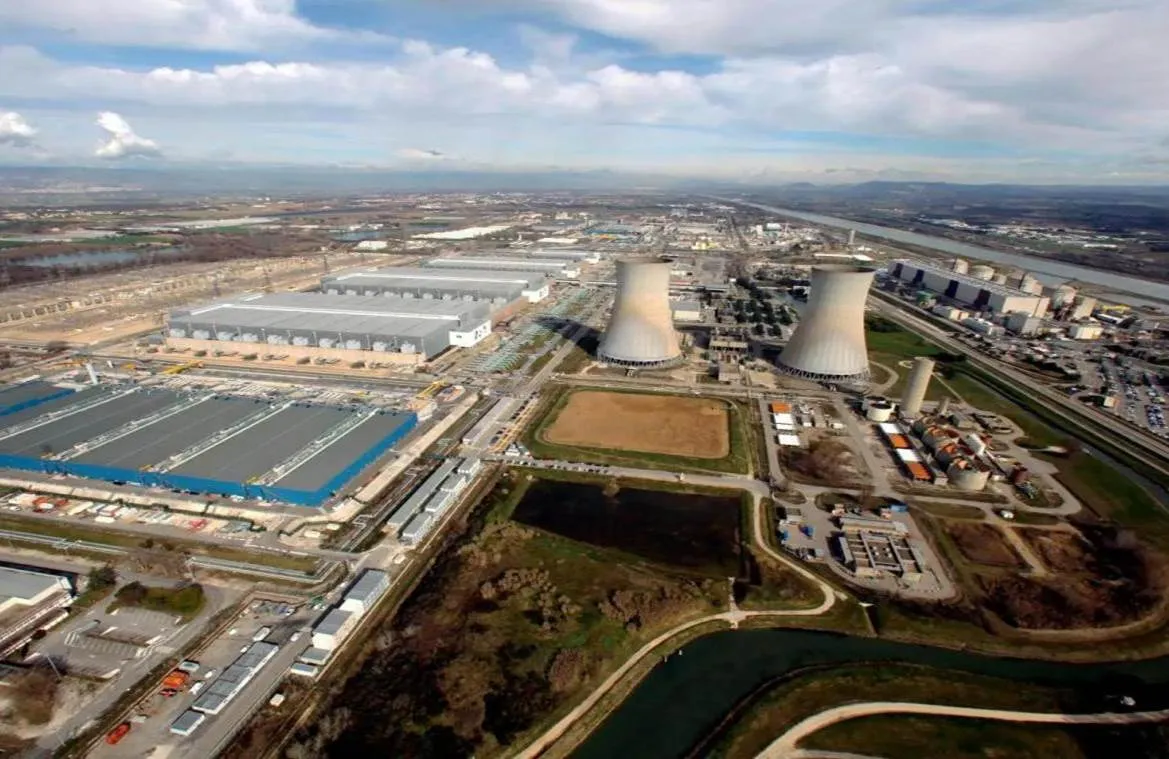
The ongoing negotiations regarding uranium enrichment between the United States and Iran have reached a significant stalemate, with both parties unable to reconcile their differing proposals. The US is insisting that Iran halt its uranium enrichment activities for a period of 20 years, while Iran has only agreed to a five-year suspension, highlighting the deep divisions in their positions.
Currently, Iran possesses approximately 440 kilograms of uranium enriched to 60 percent, a level that raises concerns about potential weaponization. Despite the US’s push for a more extended suspension, Iranian officials have labeled their uranium enrichment program as a “red line,” asserting it as a sovereign right.
During the recent talks held in Islamabad, the US proposed a comprehensive 15-point framework aimed at ending hostilities, which included Iran’s commitment to never develop nuclear weapons. However, Iran countered with a proposal demanding an American commitment to non-aggression and recognition of its nuclear enrichment program.
In a notable development, Iran offered to dilute its highly enriched uranium to levels unsuitable for weapons use, while still retaining it within the country. This proposal was part of a broader negotiation strategy that spanned 21 hours, but ultimately failed to yield a conclusive agreement.
JD Vance, a prominent figure in the negotiations, remarked, “The ball is in the Iranian court,” indicating the pressure on Iran to respond to the US’s demands. The situation remains precarious as both sides continue to grapple with their respective positions.
According to the Joint Comprehensive Plan of Action (JCPOA), Iran had previously agreed to limit its enriched uranium to 300 kilograms. The current stockpile significantly exceeds this limit, raising alarms among international observers.
Chris Featherstone commented on the situation, stating, “Iran committing to not enriching uranium for as long as possible can be seen as a ‘success’.” This perspective underscores the complexities of the negotiations, where any concession may be viewed as a victory.
Details remain unconfirmed regarding the exact condition and location of Iran’s enriched uranium stockpiles following recent conflicts. The outcome of future negotiations between the US and Iran remains uncertain, as both nations navigate the intricate landscape of international diplomacy.