By Bilal Khan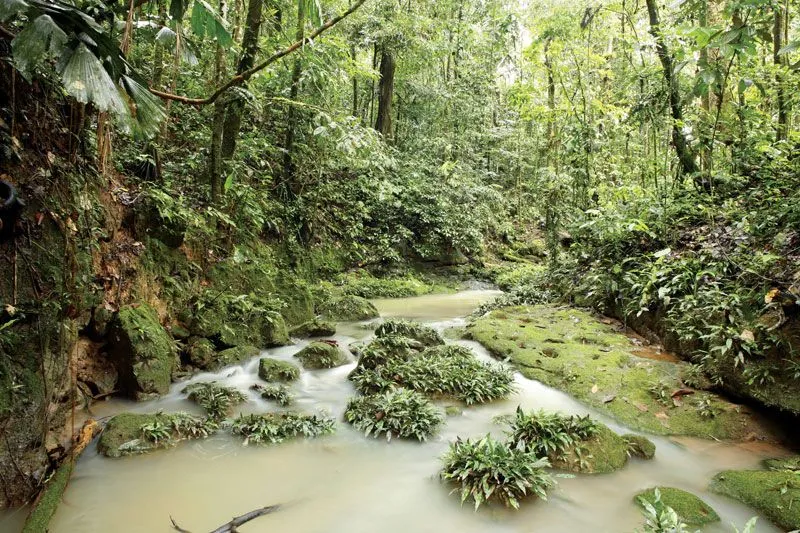
The Amazon Rainforest has long been recognized as the world’s richest and most-varied biological reservoir, home to millions of species of insects, plants, birds, and other forms of life. Historically, Brazil has held approximately 60 percent of the Amazon within its borders, which covers a staggering area of 2,300,000 square miles. However, the region has faced significant challenges due to human activities, particularly deforestation for agriculture and grazing.
Between 1970 and 2016, the Brazilian Amazon experienced a dramatic decline in forest cover, dropping from approximately 1,583,000 square miles to about 1,283,000 square miles. This loss was particularly pronounced during the 1980s and ’90s, when the pace of forest loss reached about 0.4 percent per year. In contrast, between 2008 and 2016, this rate of loss decreased to roughly 0.1–0.2 percent per year, indicating some progress in conservation efforts.
Despite these improvements, the situation remains precarious. In 2019, approximately 75,000 fires were recorded in the Brazilian Amazon, marking an alarming 85 percent increase over the previous year. This surge in fires highlights the ongoing threats to the rainforest’s ecosystem and biodiversity.
In response to these challenges, Ecuador initiated a preservation plan in 2007 aimed at protecting a portion of the forest within Yasuní National Park. This area is recognized as one of the world’s most biodiverse regions, and the plan involved forgoing the development of heavy oil deposits estimated to be worth $7.2 billion. By the end of 2012, around $6.5 million had been raised for this preservation initiative.
Experts emphasize the importance of the Amazon Rainforest not only for its biodiversity but also for its role in regulating the global climate. The immense extent and continuity of this rainforest are a reflection of the high rainfall, humidity, and consistently high temperatures that prevail in the region. However, the ongoing deforestation poses a significant threat to these ecological functions.
Although Brazil’s Amazon continues to lose forest cover, the decline in the rate of loss suggests that concerted efforts towards conservation may be having an impact. Nevertheless, the future of the Amazon Rainforest remains uncertain, with ongoing pressures from agricultural expansion and climate change. Details remain unconfirmed regarding the effectiveness of current measures and the potential for future initiatives to protect this vital ecosystem.