By Bilal Khan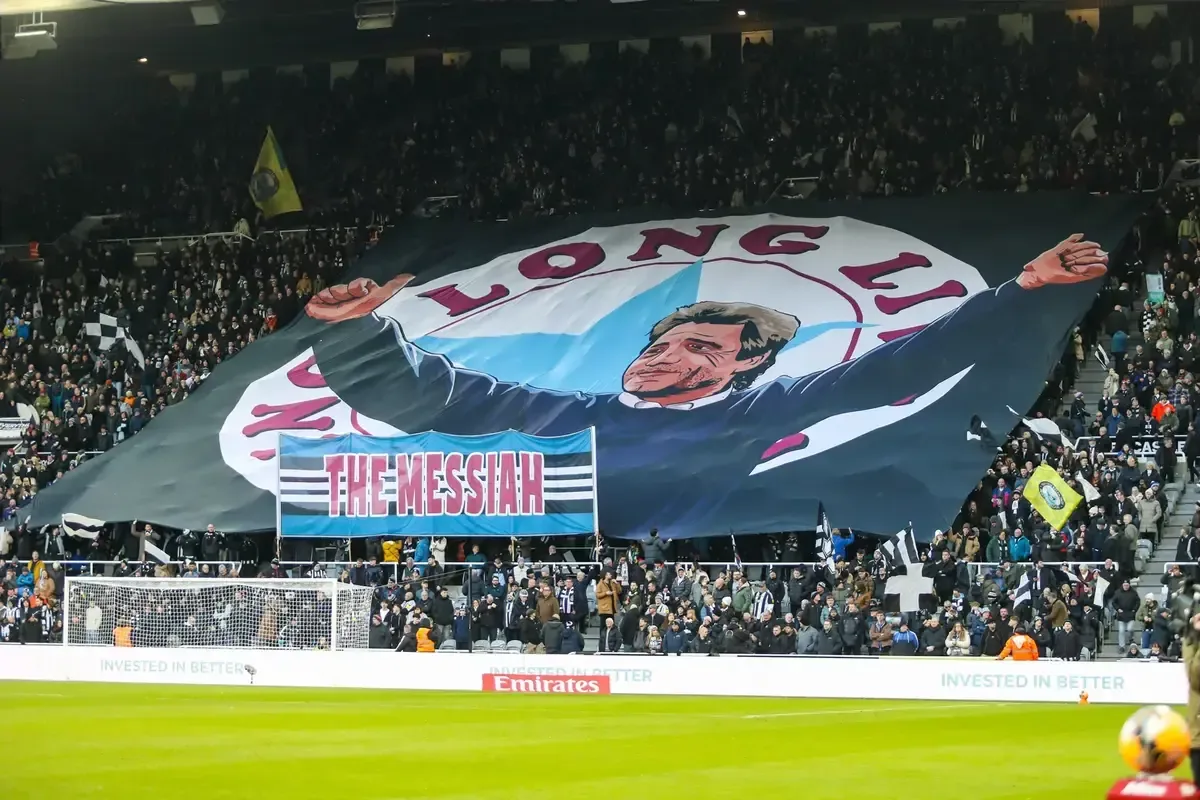
Kevin Keegan, a prominent figure in football, is remembered for his significant impact on the sport both on and off the pitch. He is noted for being one of the first footballers to understand and leverage his personal brand, paving the way for future generations of global footballing superstars. Keegan’s career spanned a period when the commercial landscape for athletes was vastly different from today’s.
During the 1970s and 1980s, when football was largely considered a working-class industry, Keegan emerged as a celebrity beyond the sport itself. His ability to connect with the public through various media appearances and his distinctive personal style contributed to his widespread recognition. This approach was novel at a time when footballers primarily functioned as labor for their clubs.
Early Commercial Ventures and Public Persona
Keegan’s early forays into commercial endorsements included a 1980 television advertisement for the aftershave and deodorant brand Brut, where he appeared alongside boxing legend Henry Cooper. This was preceded by a public information film and followed by promotions for Lyons Maid ice lollies. Later, as manager of Newcastle United, he featured in a Sugar Puffs advert with the Honey Monster, showcasing his self-deprecating humor.
His public persona was further shaped by an appearance on the BBC’s Superstars in 1976. Despite suffering cuts and abrasions after falling off his bike during the cycling heat, Keegan chose to continue, stating his belief that the audience had a right to see him perform. This moment, along with his candid reaction, helped solidify his image as a personality beyond the football field.
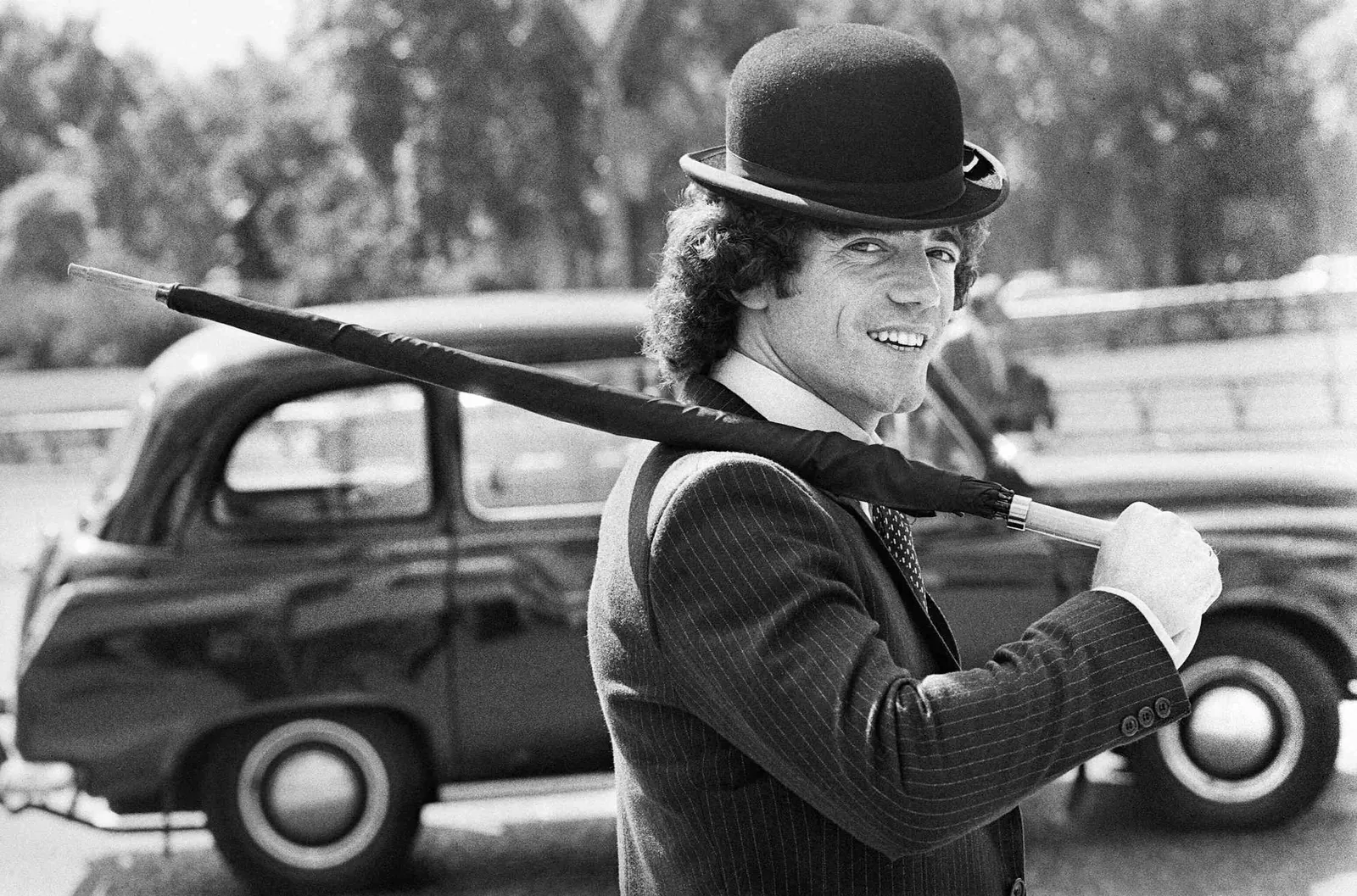
Keegan’s distinctive style also contributed to his fame. In the mid-1970s, he popularized the bubble perm hairstyle, which, after initial amusement, was widely copied by other players and became a defining male hairstyle of the era. He also developed his own clothing line, drawing inspiration from the Avengers television series.
Time in Germany and Overcoming Challenges
Keegan’s self-confidence and curiosity led him to become the first Englishman to play in the German Bundesliga. He joined Hamburg in 1977, a move that followed his successful six-year spell at Liverpool, immediately after their European Cup win against Borussia Mönchengladbach. His transfer to Hamburg was for a German record fee, and his salary saw a significant increase.
His initial period in Germany was marked by challenges. He faced ostracization from his Hamburg teammates, who were reportedly cold and unwilling to pass him the ball. Keegan also struggled with anger issues, which culminated in an eight-week suspension from the German FA after an incident during a friendly match against VfB Lübeck in December 1977, where he retaliated against an opponent.
Despite these difficulties, Keegan persevered. He learned German and gradually won over his teammates and the Hamburg fans, who affectionately nicknamed him “Mighty Mouse.” His struggles and eventual success in Germany were documented in the 1979 film Brian Moore meets Kevin Keegan, where he spoke openly about his problems, a rare display of authenticity for a footballer at the time.
The turning point for Keegan at Hamburg came with the appointment of Branko Zebec as head coach for the 1978-79 season. Zebec implemented a strict training regimen and fully integrated Keegan into the team. This led to Keegan hitting a strong run of form, scoring six goals in six games before the winter break and ten goals in the final eleven matches, contributing to Hamburg’s first-ever league title. Keegan was subsequently awarded the Ballon d’Or as European Footballer of the Year, an award he would win again the following year.
Lasting Legacy and Impact
Keegan’s career at Hamburg demonstrated his commitment to hard work and his strong personality, which helped him overcome adversity. His journey in Germany is considered as significant as his successes, highlighting his determination not to join the list of English players who had struggled abroad.
His impact extended beyond his playing days. After his playing career, Keegan returned to Newcastle United as manager in 1992, a period fondly remembered by fans. He is credited with having a significant influence on the club, with many seeing him as a figure who truly understood the community and heritage of the team.
Keegan’s ability to cultivate a personal brand, engage with the media, and connect with fans set a precedent for future football stars. His pioneering efforts in commercial endorsements and public appearances laid the groundwork for the global celebrity status enjoyed by modern footballers like Cristiano Ronaldo and David Beckham.
Keegan’s death was announced on Monday.
Read Also
Source: theconversation.com