By Bilal Khan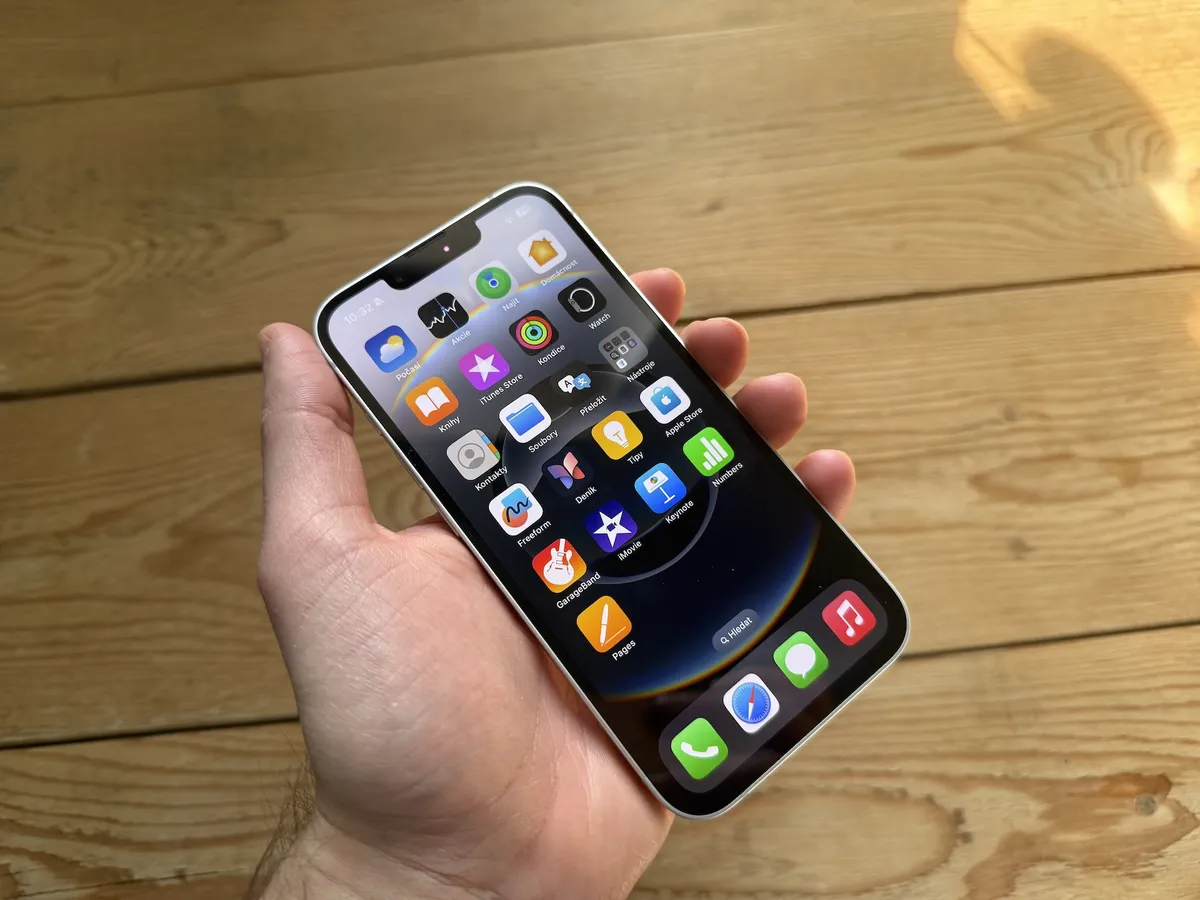
What are the key features and pricing details of the iPhone 16 series? The iPhone 16 series, including the iPhone 16e and iPhone 16 Pro, showcases significant advancements in technology and performance.
The iPhone 16e is powered by the A18 chip, featuring a 6-core CPU and a 4-core GPU, which enhances its processing capabilities. Additionally, it boasts a 16-core Neural Engine and offers hardware-accelerated ray tracing, making it a strong contender for mobile gaming enthusiasts.
With a 6.1-inch display and a 60Hz refresh rate, the iPhone 16e provides a solid visual experience. In contrast, the iPhone 16 Pro features a larger 6.3-inch ProMotion display, which is designed for smoother scrolling and improved responsiveness.
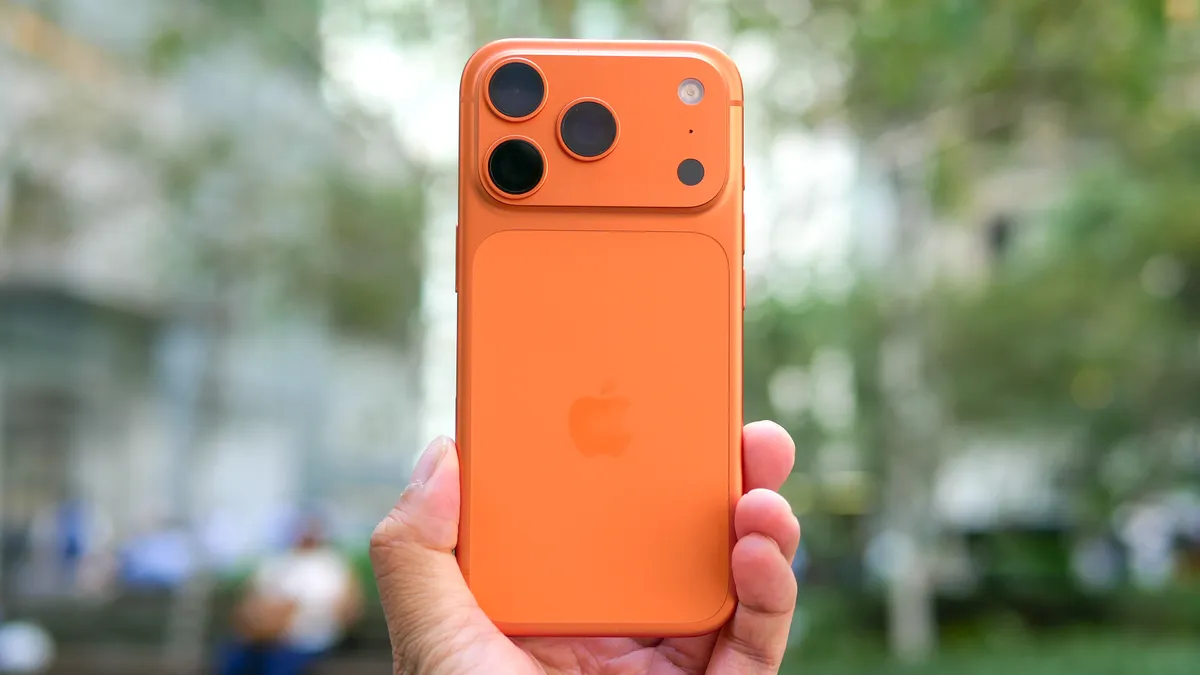
The iPhone 16 Pro runs on the more powerful A18 Pro chip and includes an advanced camera system with a 48MP main sensor, a 48MP ultra-wide lens, and a 12MP 5x telephoto camera, catering to photography enthusiasts.
Initially launched in India at a price of Rs 1,09,900, the effective price of the iPhone 16 Pro can drop below Rs 60,000 with various discounts. For instance, an instant bank discount of Rs 4,000 and a maximum exchange value of Rs 68,000 for trading in an old device can significantly reduce the final amount payable.
Moreover, after applying all available offers, the potential price for the iPhone 16 Pro could be as low as Rs 50,000. The device also supports video recording at a maximum of 120 fps, enhancing its capabilities for content creators.
As the iPhone 16 series continues to attract attention, it is important to note that the iPhone 16e was the first generation of this series, which has already seen its successor in the form of the iPhone 17e this year.
Even though the iPhone 16 Pro is a few years old now, it still holds its ground as a flagship device, appealing to users who prioritize performance and camera quality. Details remain unconfirmed regarding future updates or new features that may be introduced in subsequent models.