By Bilal Khan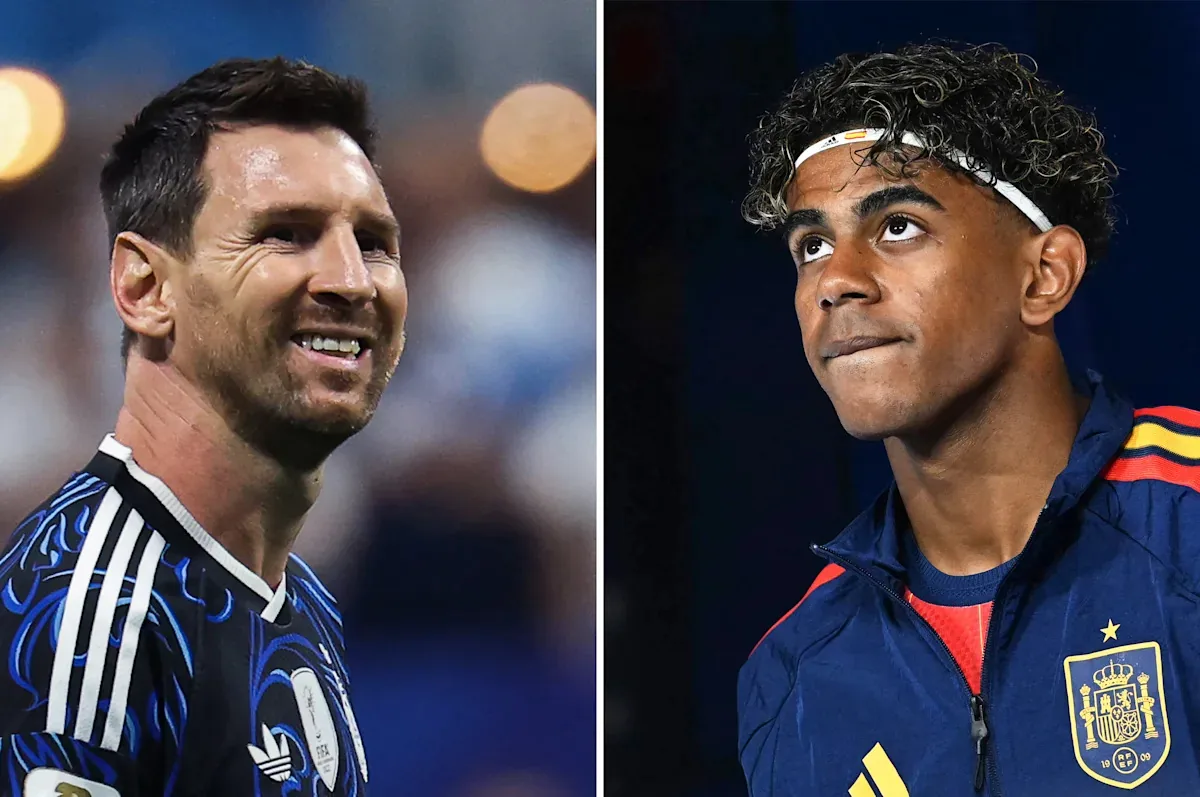
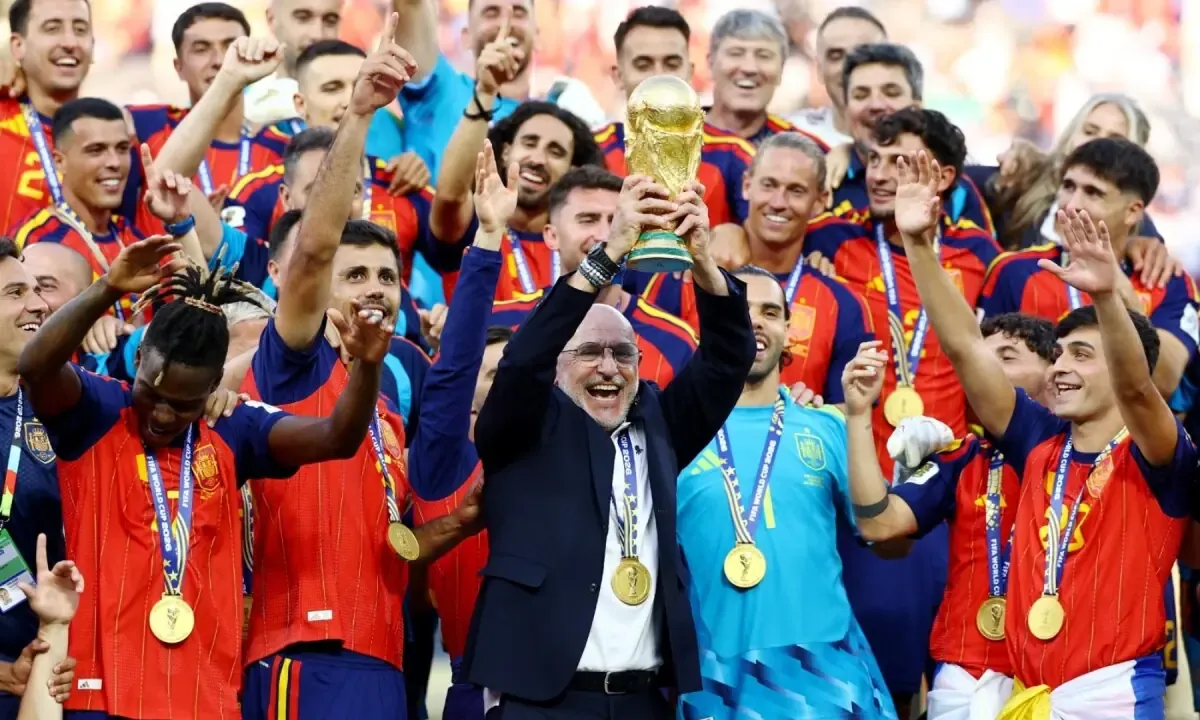
Spain has secured the World Cup title, overcoming Argentina with a 1-0 victory in extra time. The final match, held at MetLife Stadium in East Rutherford, New Jersey, saw Ferran Torres score the decisive goal in the second half of extra time, breaking a prolonged deadlock.
The match was characterised by Spain’s control, patience, and dominance, while Argentina, despite their efforts, were ultimately unable to find a way back into the game after falling behind. The goal by Ferran Torres came in the second half of extra time, whose goalkeeper, Emiliano Martinez, had made numerous saves throughout the match, including a crucial stop from Lamine Yamal’s free kick at the end of normal time.
Key moments and player performances
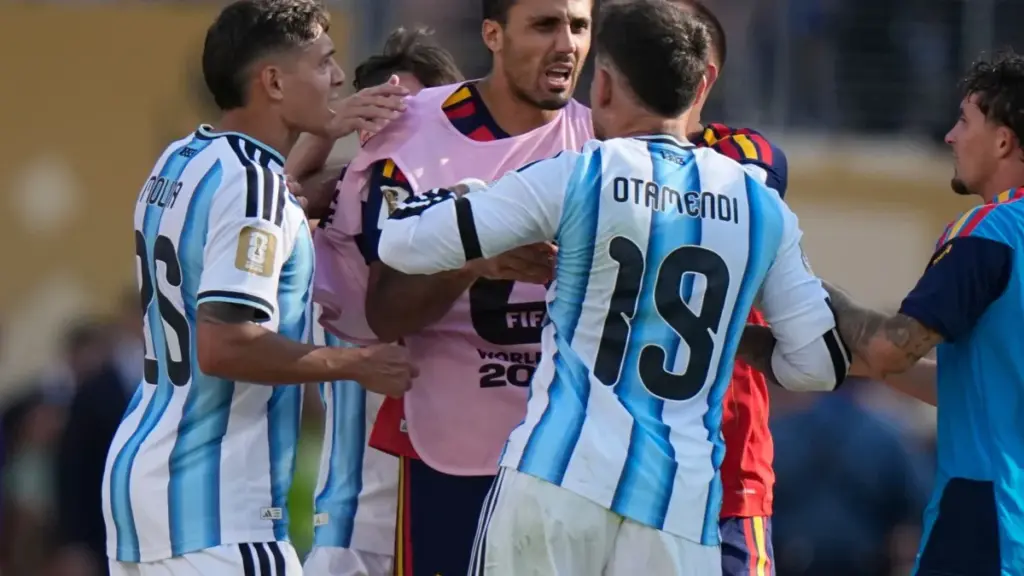
Argentina faced significant challenges during the game, including playing with 10 men after Enzo Fernandez received a red card for a late challenge in the dying minutes of extra time. Despite being outplayed and outnumbered for much of the match, Argentina’s resilience, particularly through Martinez’s goalkeeping, kept them in contention. At one point, Nico Williams appeared to have scored for Spain, but the goal was disallowed due to a foul by Mikel Merino on Nicolas Otamendi, a decision that sparked debate.
The Spanish team, led by coach Luis de la Fuente, showcased a unit that prioritises possession and organisation. De la Fuente, a former youth coach, has guided Spain to replicate achievements of past successful Spanish teams, including winning the 2023 Nations League and the 2024 European Championship. Their captain, Rodri, highlighted the team’s growth process and ambition to lift the World Cup.
Argentina, under coach Lionel Scaloni, demonstrated their characteristic energy and willpower to overcome deficits throughout the tournament. Scaloni noted the team’s journey as an example for their country, fostering a sense of unity among fans.
Historical context and team dynamics
This final marked a significant occasion for Latin soccer.
Spain entered the final as the reigning European champion. They had conceded one goal in seven matches leading up to the final. Argentina, the South American ruler, had a strong run of consecutive wins and a 19-1-1 record.
The match also featured notable players such as Lionel Messi for Argentina, who was on the cusp of potentially winning his second World Cup, and Spain’s young winger, Lamine Yamal, who, at a young age, is on a similar trajectory to Messi at FC Barcelona and on the national team.
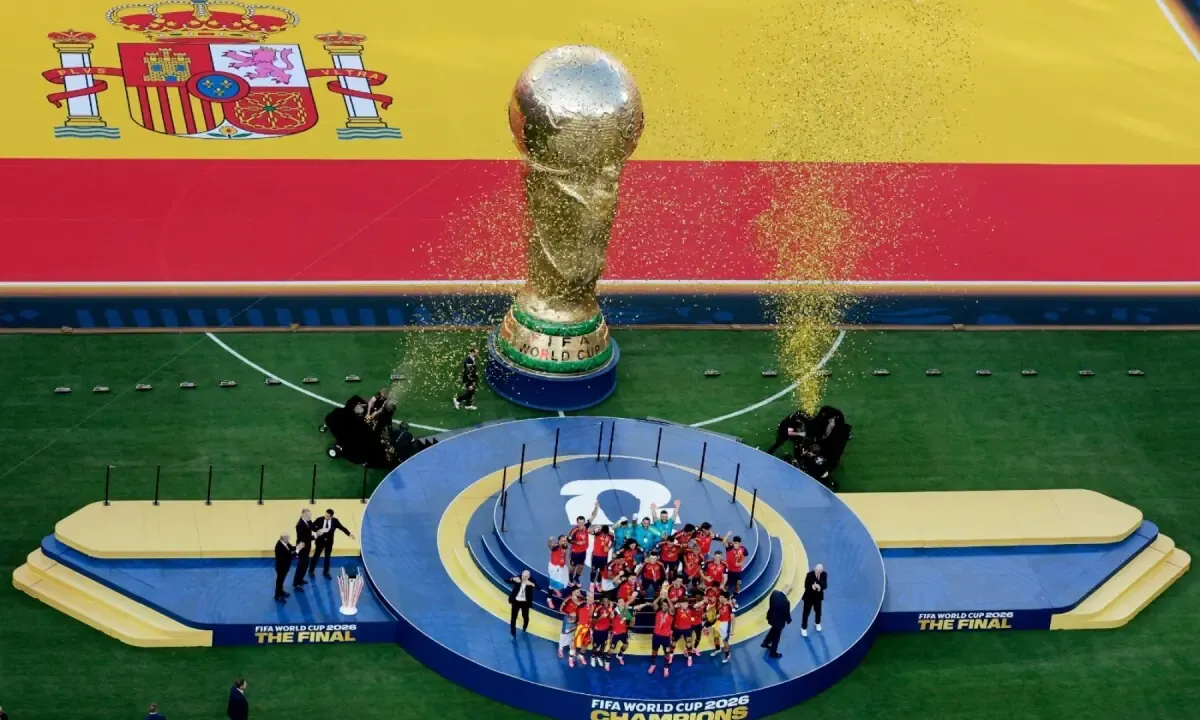
Pre-match festivities and broadcast details
The World Cup final was preceded by a closing ceremony that included performances by Nicole Scherzinger, Laura Pausini, and Robbie Williams, with special appearances from IShowSpeed and Tom Cruise. Jennifer Hudson performed the U.S. national anthem, “The Star-Spangled Banner,” before kickoff. The halftime show featured performances from Madonna, Shakira, BTS, and Justin Bieber.
The match was broadcast on FOX in English and Telemundo in Spanish, with livestreams available on FOX One and Peacock. Various streaming platforms offered access to these networks, some with free trials, making the final accessible to a wide audience. The kick-off for the final was at 3 p.m. ET/12 p.m. PT.
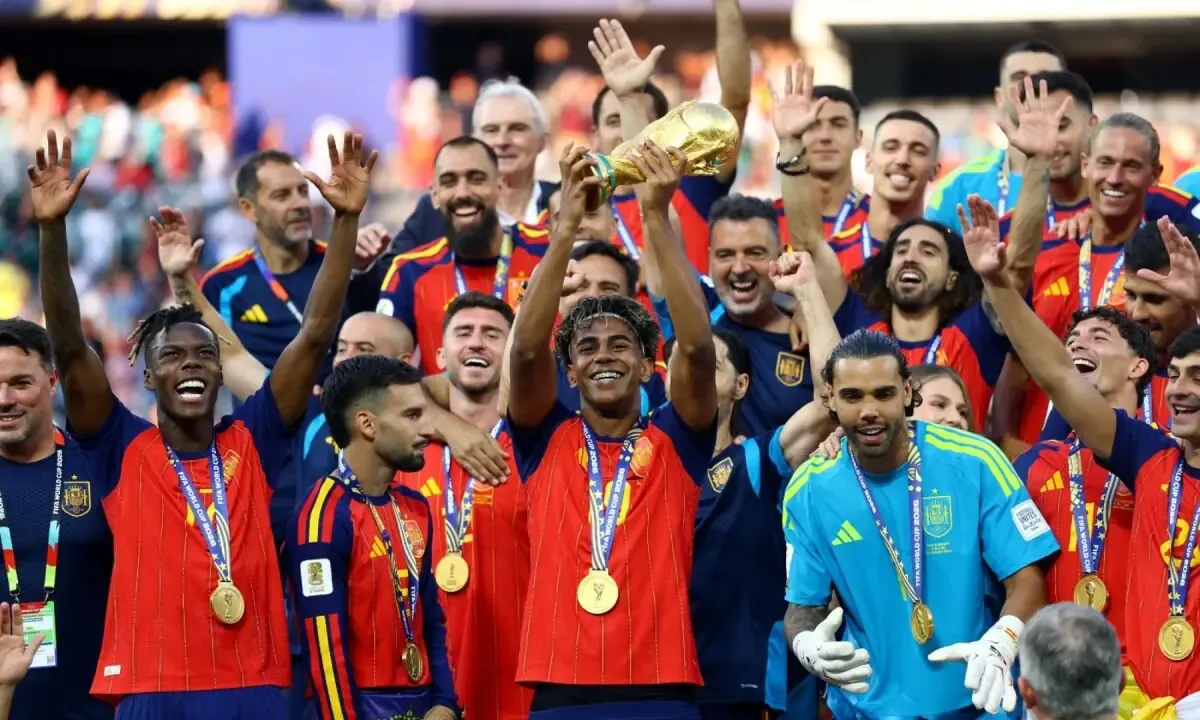
The final whistle confirmed Spain’s 1-0 victory in extra time.
Read Also
Source: dawn.com