By Bilal Khan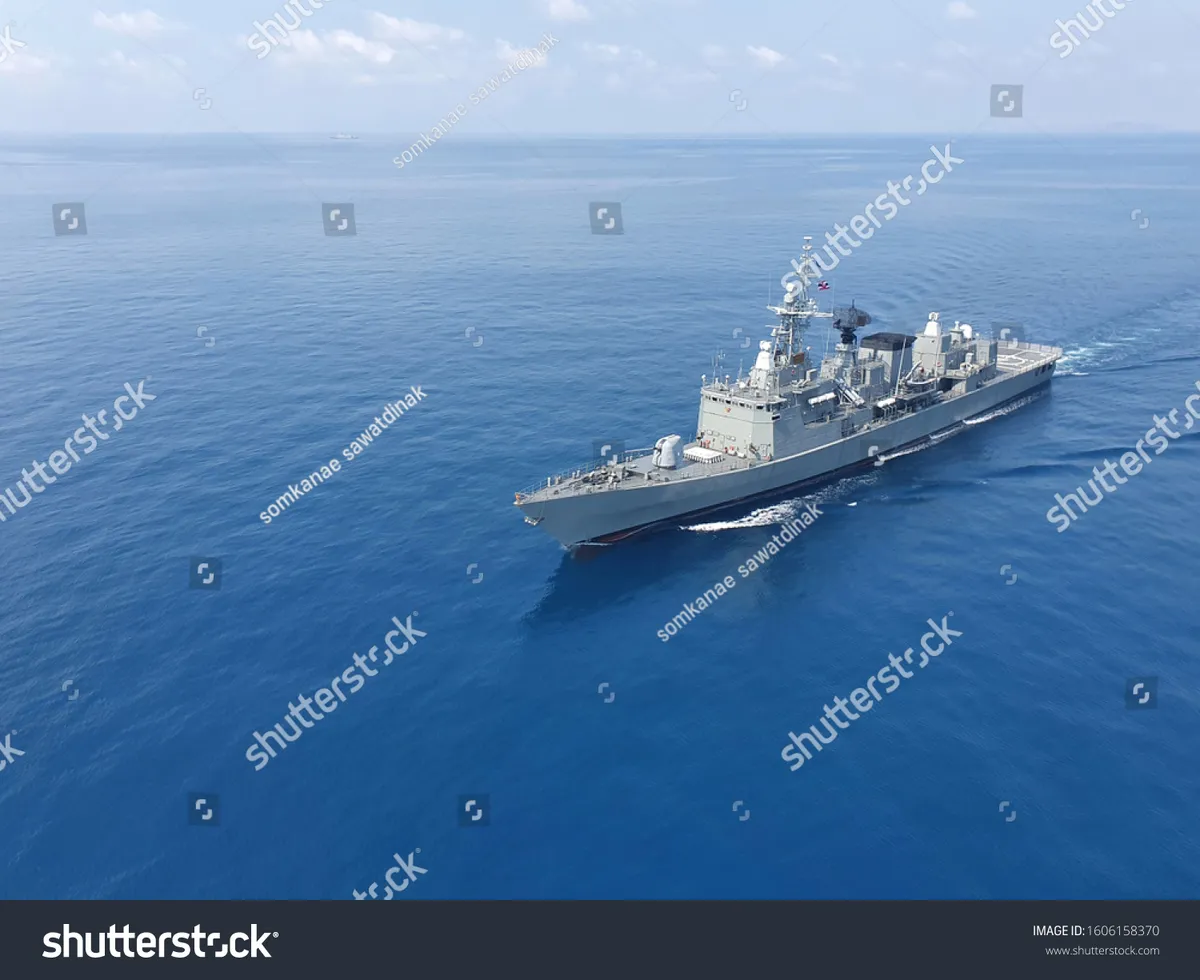
On April 13, 2026, the United States implemented a naval blockade against Iran in the strategically vital Strait of Hormuz. This blockade comes in the wake of unsuccessful negotiations between US and Iranian officials in Pakistan, aimed at resolving ongoing tensions between the two nations.
The blockade prohibits all ships from entering or leaving Iranian ports, a move that has significant implications given that approximately 20% of global energy supplies transit through this narrow waterway. President Donald Trump has issued a stern warning, stating, “If any of these ships come anywhere close to our BLOCKADE, they will be immediately ELIMINATED.” This declaration underscores the seriousness with which the US is approaching the enforcement of the blockade.
According to reports, Iran’s Navy has suffered considerable losses, with 158 of its ships reportedly destroyed. The US Central Command has emphasized that the blockade will be enforced impartially against vessels of all nations, raising concerns about potential escalations in maritime confrontations in the region.
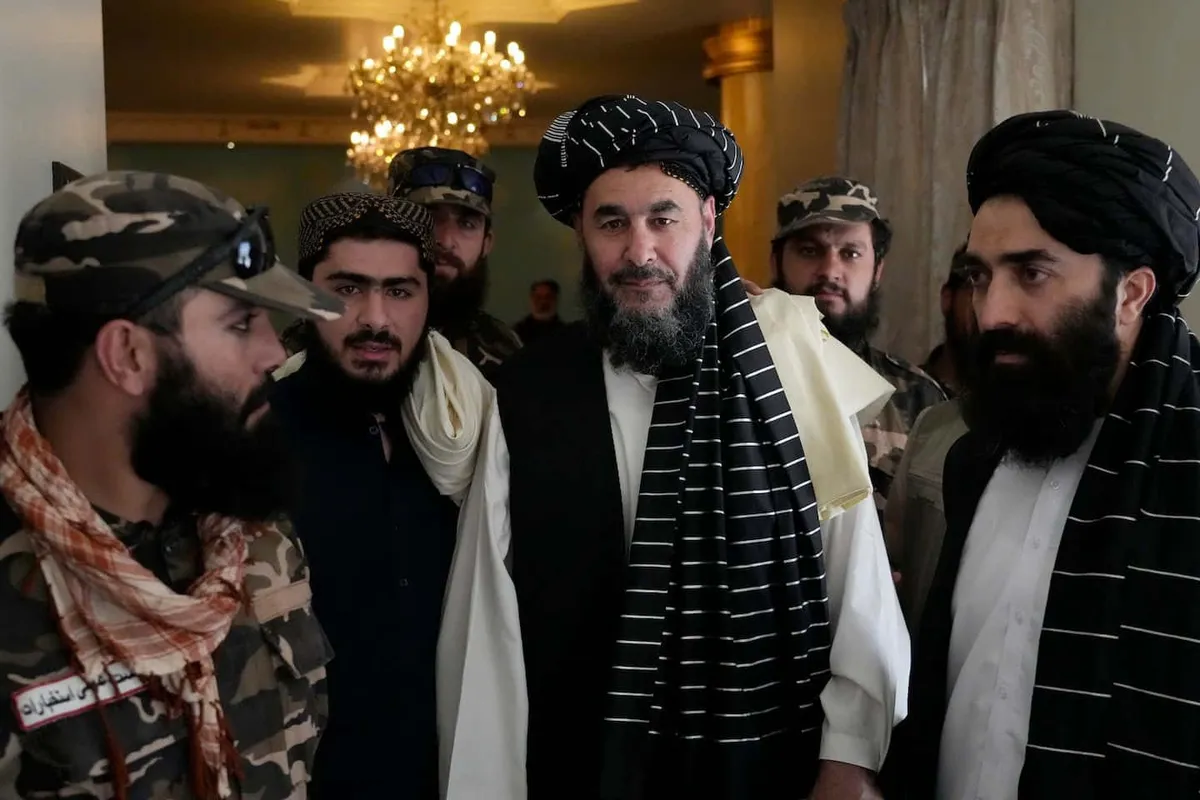
Iran’s military has condemned the blockade, labeling it an illegal act and equating it to piracy. They have asserted that Gulf and Oman ports must be shared equally or closed to all users, indicating a willingness to challenge the blockade’s legitimacy. The Iranian government has expressed its intent to resist the US’s actions, which they view as a violation of international maritime law.
The blockade is expected to have repercussions beyond the immediate region, particularly on global oil prices. Trump has indicated that the blockade could lead to increased petrol prices in the United States, currently averaging $4.12 per gallon. Mohammad Bagher Ghalibaf, a prominent Iranian politician, remarked, “Enjoy the current pump figures. With the so-called ‘blockade’, Soon you’ll be nostalgic for $4-$5 gas,” highlighting the potential economic fallout from the ongoing tensions.
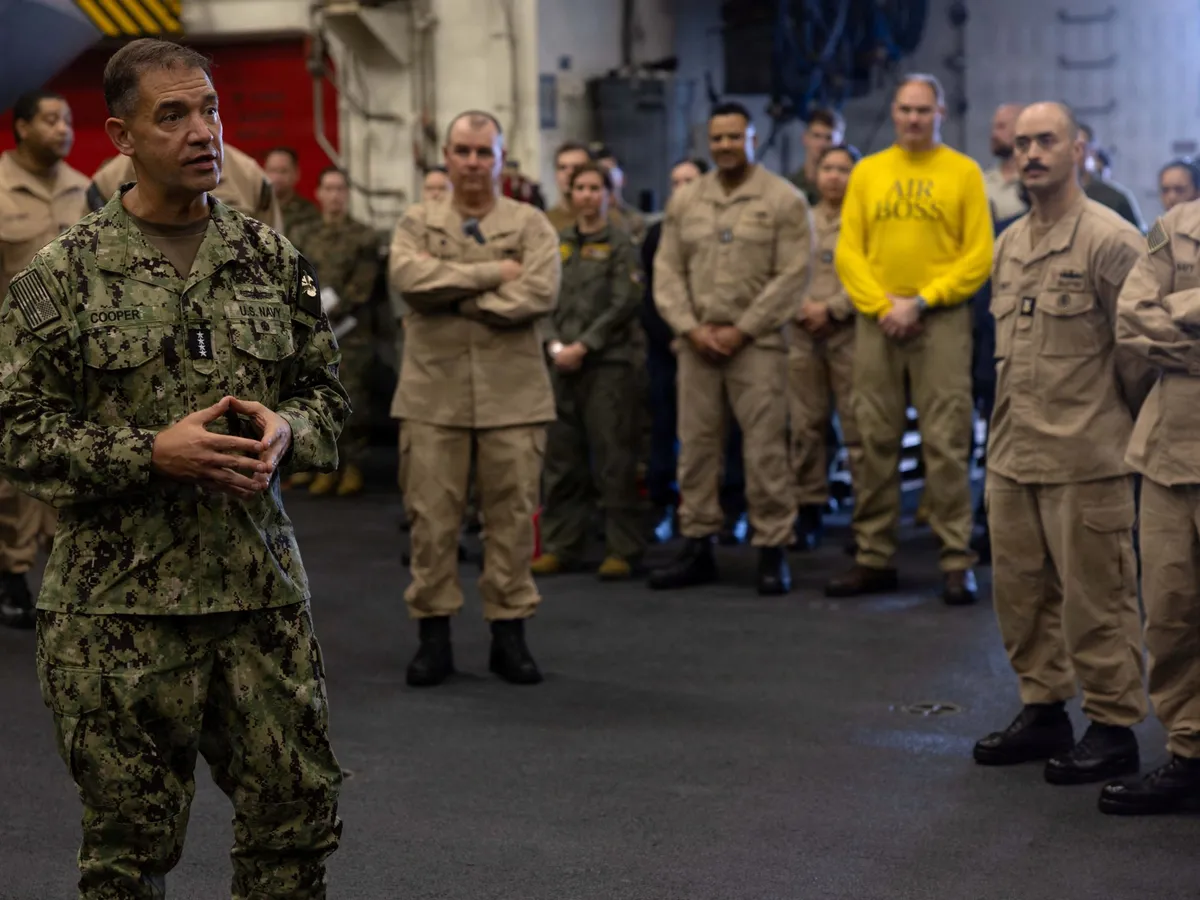
As the blockade commenced, the US military prepared for possible confrontations, with the enforcement expected to begin within seven hours of the announcement. The situation remains fluid, with both sides on high alert as they navigate this latest chapter in their fraught relationship.
In response to the blockade, Trump stated, “We’ve been called this morning by the right people, the appropriate people, and they want to work a deal,” suggesting that there may still be avenues for negotiation despite the heightened tensions. However, the Iranian leadership’s firm stance against the blockade complicates the prospect of a swift resolution.
As developments unfold, the international community is closely monitoring the situation, with implications for global shipping and energy markets. Details remain unconfirmed regarding the full extent of the blockade’s impact and the potential for further military engagements in the region.