By Bilal Khan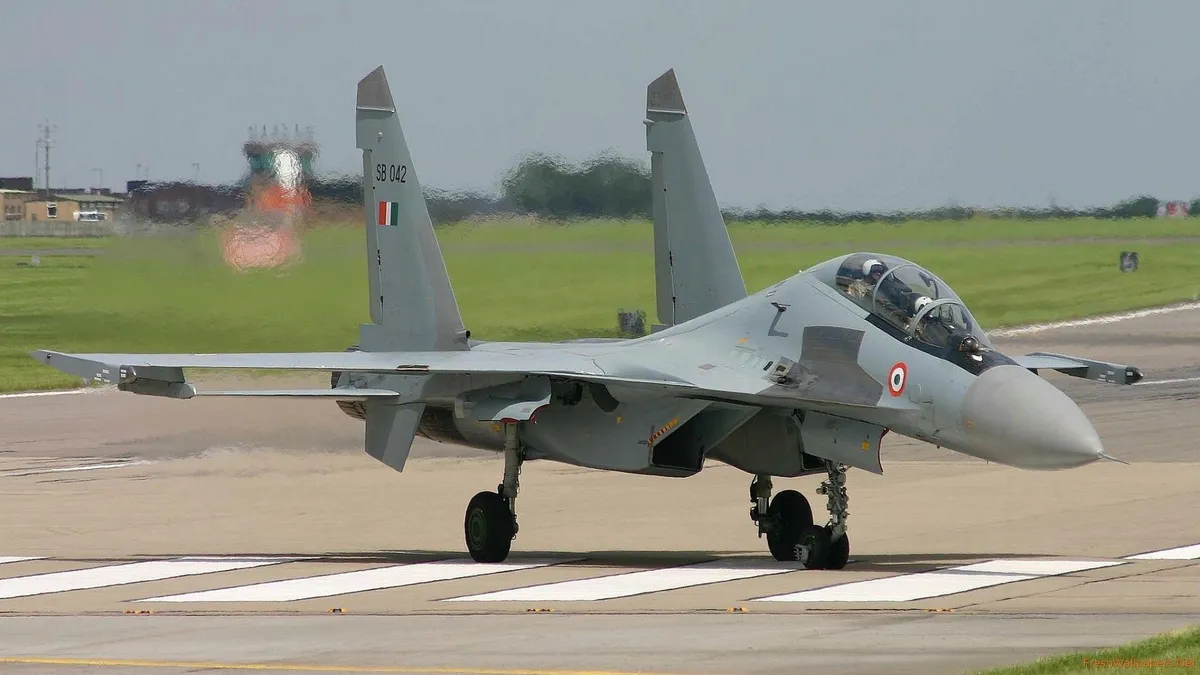
The Indian Air Force (IAF) has encountered significant challenges with its fleet of Sukhoi Su-30 MKI fighter jets. The aircraft has been involved in multiple major accidents since its induction, raising questions about maintenance standards and technical reliability.
On April 17, 2026, a Sukhoi Su-30 MKI suffered a nose gear failure after a hard landing at Pune Air Force Station. The aircraft became stranded on the runway, forcing authorities to suspend operations at Pune International Airport. This disruption affected more than 30 civilian flights.
This incident marks the second mishap involving the Su-30 MKI fleet in 2026. Earlier, on March 5, a different Su-30 MKI crashed in Assam, resulting in the deaths of two pilots. Such occurrences have intensified scrutiny of the IAF’s operational safety and aircraft reliability.
The IAF operates an estimated 260 to 272 Su-30 MKI jets. However, recurring technical issues have rendered a portion of this fleet unserviceable at any given time. This situation complicates the IAF’s ability to maintain readiness and operational effectiveness.
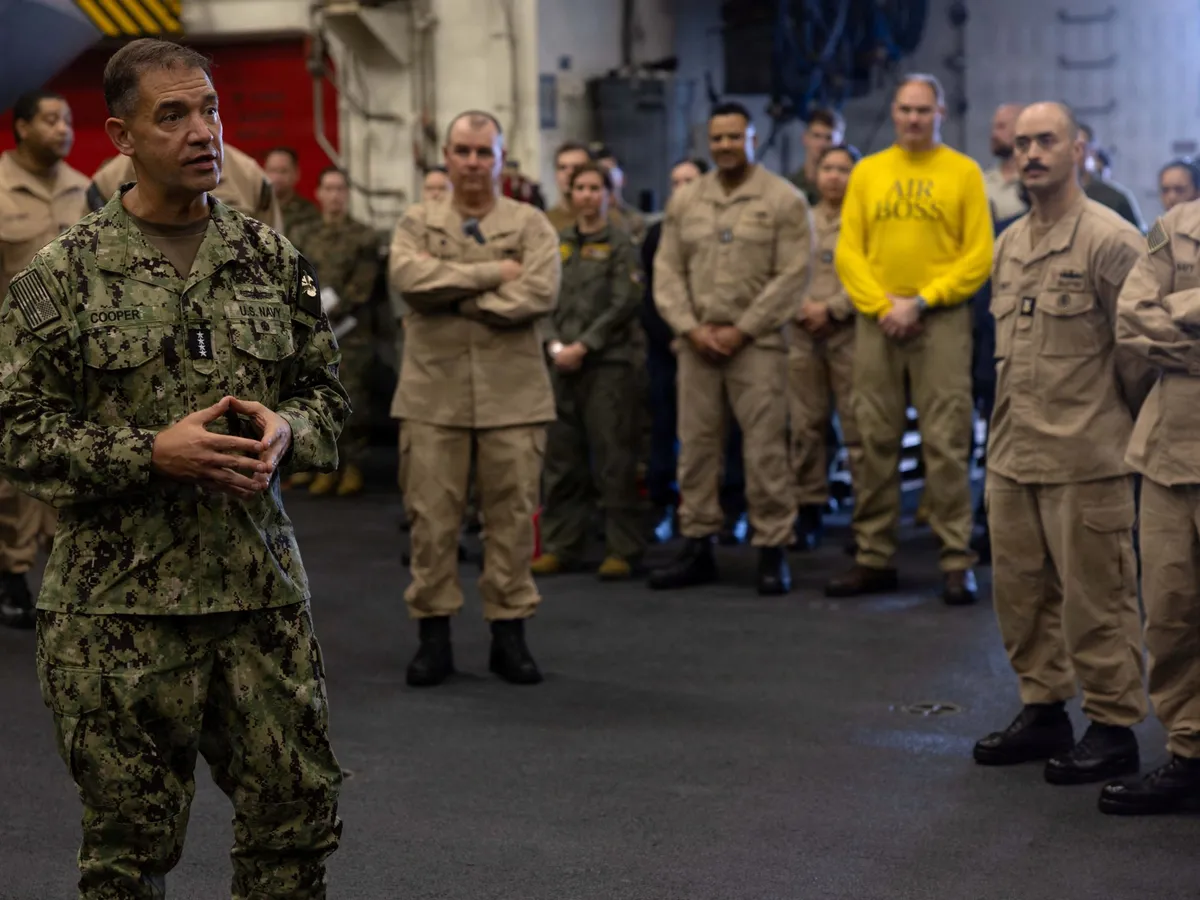
Air Chief Marshal A.P. Singh recently flew a US-built F-15EX fighter jet during his visit to the United States in April 2026. This visit is part of India’s efforts to explore advanced aviation technologies and strengthen military cooperation with the US.
Yet, as incidents involving the Su-30 MKI continue to surface, officials must address both immediate safety concerns and long-term operational strategy. Observers note that improvements in maintenance protocols and technology upgrades are essential for restoring confidence in the fleet.
Details remain unconfirmed regarding any specific actions planned by the IAF following this latest incident. However, military analysts expect increased scrutiny on maintenance practices and potential procurement discussions for newer aircraft models.
The future of the IAF’s Sukhoi Su-30 MKI fleet hangs in balance as these challenges unfold. Stakeholders await decisive actions that could shape India’s military aviation landscape moving forward.