By newsroom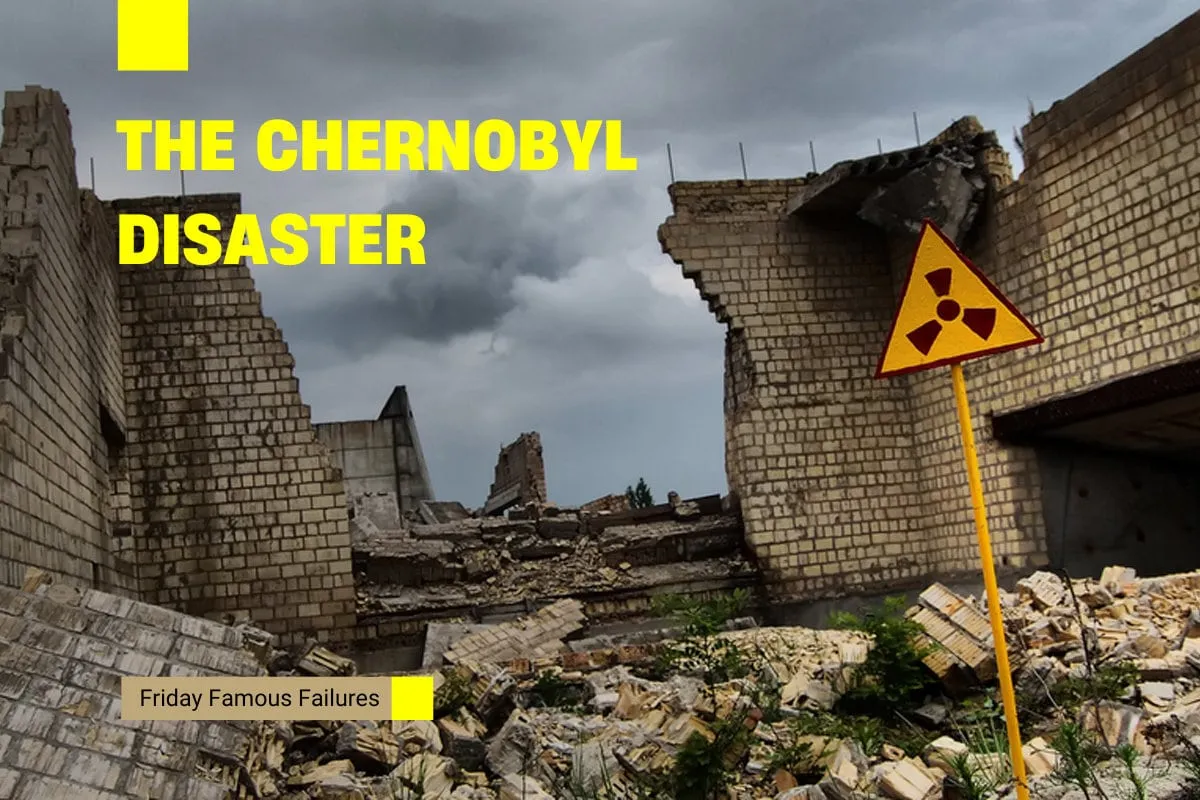
“Thank you President @ZelenskyyUa for receiving me in Kyiv — a city that has shown world what it means to refuse to be broken,” said Moldovan President Maia Sandu during the memorial events marking the 40th anniversary of the Chernobyl disaster.
On April 26, 1986, Reactor No. 4 at the Chernobyl Nuclear Power Plant exploded, releasing more than eight tonnes of highly radioactive material. This catastrophic event had profound effects on Belarus and Ukraine, leading to long-term challenges in managing radiation control and ensuring public safety.
Belarus observed this significant milestone with nationwide memorial events. The country has developed considerable expertise in managing technological disasters. It has implemented six state programs for recovery since the incident.
Over the past four decades, Belarus has made significant strides in reducing contaminated areas. Authorities have restored normal living conditions in over 1,657 settlements affected by radiation. Additionally, Belarus established a network of over 500 radiation control laboratories to monitor and manage potential risks.
Ukrainian President Volodymyr Zelenskyy emphasized international cooperation in addressing the aftermath of the Chernobyl disaster. He stated, “We remember everyone who gave their lives to eliminate the consequences of this tragedy. Bright memory to all the victims of the Chernobyl disaster.” This sentiment underscores the collaborative efforts made by various nations.
A sarcophagus was constructed over the destroyed reactor to contain radiation. This effort involved more than 40 countries working together to reinforce safety measures and prevent further contamination.
Maria Zakharova noted, “April 26 is a significant date not only for Russia, Belarus, and Ukraine, but for the entire world.” The ongoing reflection on this tragedy highlights current global concerns regarding nuclear safety amid rising geopolitical tensions.
The legacy of Chernobyl continues to shape discussions on disaster management and environmental recovery. As nations commemorate this tragic event, they also reaffirm their commitment to improving nuclear safety protocols.