By newsroom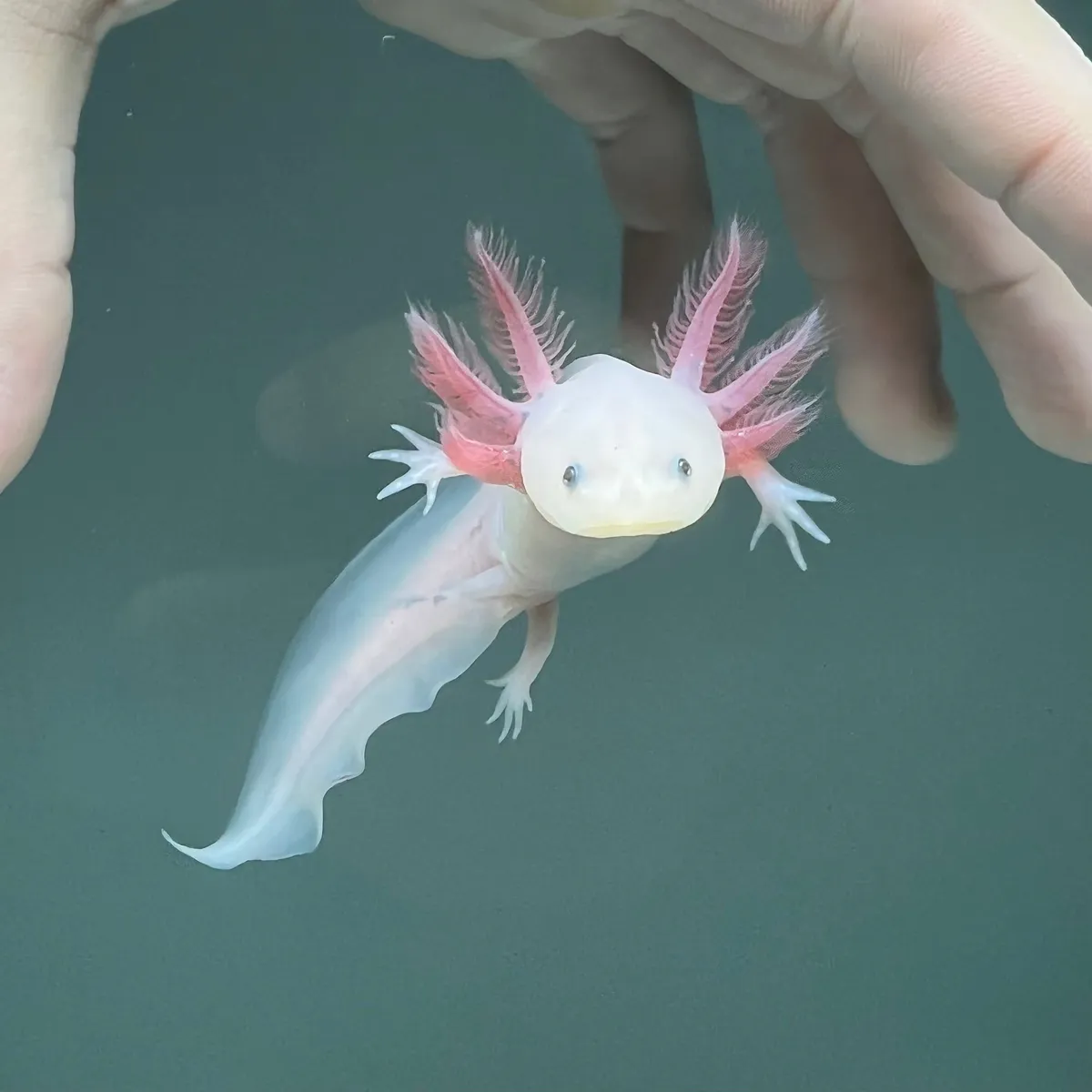
A 10-year-old girl discovered a critically endangered Mexican axolotl in the River Ogmore, Bridgend, south Wales. This finding marks the first documented axolotl in the wild in the UK. The axolotl was found under the 15th-century Dipping Bridge.
The axolotl is native only to Lake Xochimilco near Mexico City. It can grow to 22 centimeters long and live for up to 20 years in captivity. Unfortunately, there are estimated to be only 50 to 1,000 axolotls remaining in their natural habitat.
The family named the axolotl ‘Dippy’ and is rehabilitating it at home. Dippy suffered injuries to its tail and stomach, likely from a predator. Chris Newman from the National Centre for Reptile Welfare noted that releasing axolotls into the wild is illegal.
Newman explained that “axolotls are very cold tolerant; they can happily survive outdoors in our climate. What is an issue is predatory fish.” He speculated that Dippy was deliberately released into the river, stating, “It was in quite shallow water so we can only speculate it was deliberately released … I can’t see any other way it would have got there.”
The demand for pet axolotls has surged due to their popularity in media and video games. Rescue centers report being overwhelmed by abandoned axolotls. Newman urged pet owners facing challenges to seek help rather than release their pets into the wild: “Anyone whose circumstances have changed and find they can no longer look after an axolotl should seek help rather than just release it into the wild.”
Melanie Hill, Dippy’s caretaker, mentioned that “she will still only eat bloodworm and seems to prefer it from a syringe, but I am happy that she at least seems to have her appetite returning.” The situation highlights ongoing concerns about animal welfare and responsible pet ownership.
The axolotl is known for its regenerative ability and neoteny, staying in a juvenile state throughout its life. As observers monitor Dippy’s recovery, they emphasize the importance of protecting this critically endangered species.