By newsroom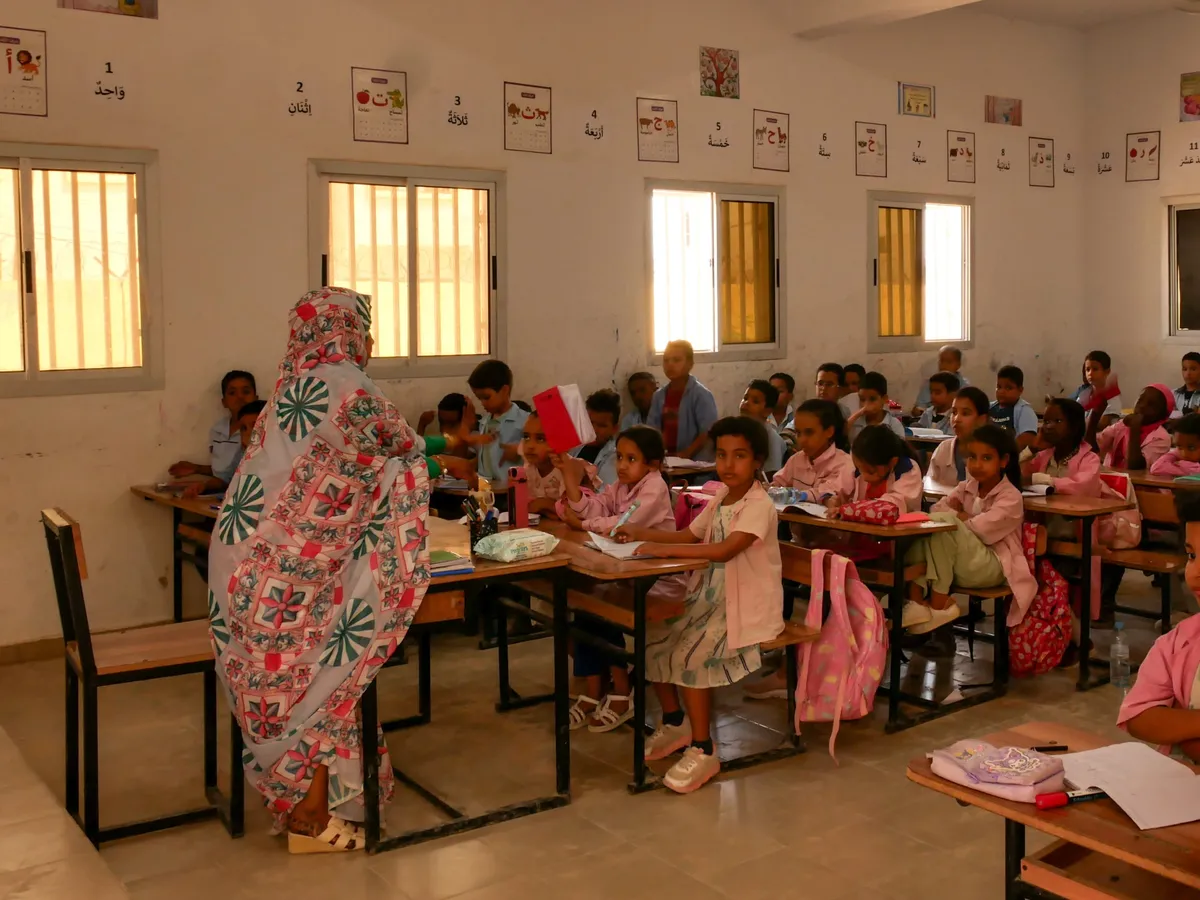
The Mauritanian government is phasing out private schools in favor of state-run institutions. This controversial policy aims to standardize education quality amid rising concerns over job losses and the effectiveness of educational standards.
“Everyone will benefit” from the new system, said Moulay Ould Rais, a government official involved in the reforms. The government seeks to address systemic inequalities in education by implementing these changes.
Currently, 30 percent of school-aged children in Mauritania are not enrolled in school. Additionally, 95 percent of Mauritanian children cannot read or understand texts by age 10. The new education policy promises free basic education for all children, including middle school.
The reforms include mandatory enrollment for children in primary school by age six. Private school owners and teachers express concerns about job losses and potential declines in education quality due to these reforms.
Private schools emerged in 1981 when government-funded institutions could not meet the needs of students. Enrollment in private primary schools rose from 12,391 students in 2002 to 71,104 in 2012.
Yet, the new policy exempts private high schools from closure. Officials aim to revamp the education sector by 2030, aligning curricula with governmental educational standards.
Meyey Ould Abdel-Wedoud criticized the pace of change, stating, “The changes are too rushed and too sudden.” He also remarked that “It is as if the state is asking for something that already exists.”
As the transition unfolds, uncertainties remain regarding how many private schools exist in Mauritania and the fate of teachers who may lose their jobs. The government has yet to announce detailed plans addressing these issues.