By newsroom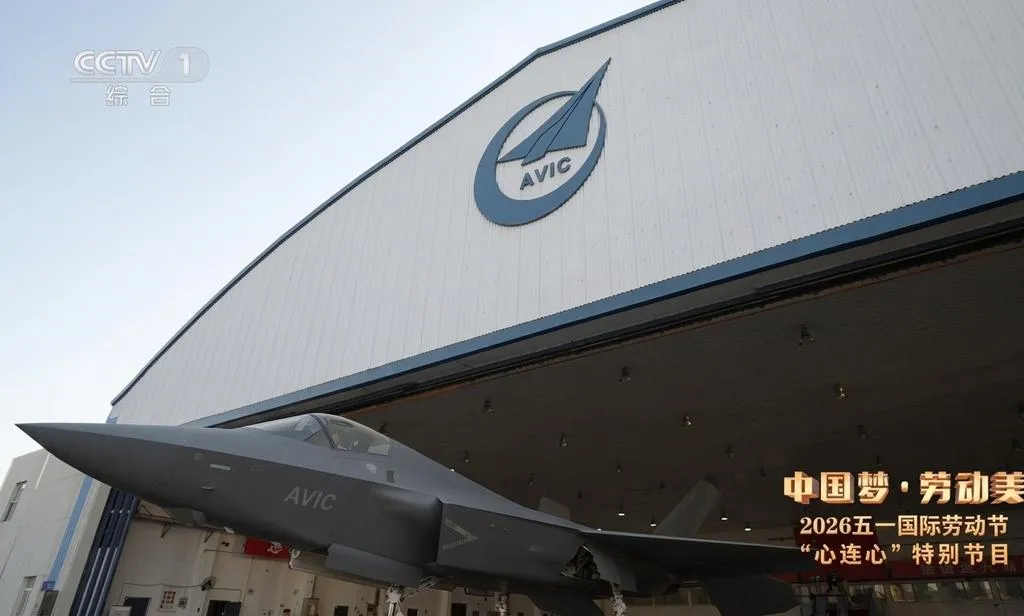
China’s J-35AE fighter jet is poised to challenge Western dominance in the fifth-generation aircraft market, with Pakistan as its first potential customer. The J-35AE is an export-focused variant of the Shenyang J-35A and may see Pakistan acquiring up to 40 aircraft.
Key features of the J-35AE:
- The J-35AE features a teal-coated electro-optical targeting system (EOTS) that enhances sensor capabilities.
- It has a twin-engine, single-seat design optimized for survivability and stealth technology.
- The aircraft boasts a combat radius of approximately 1,200 to 1,350 kilometres.
- It can carry up to six air-to-air missiles in internal bays without compromising its radar signature.
Liang Guoliang stated, “The J-35AE shown in the footage is equipped with a teal-coated electro-optical targeting system (EOTS), signalling advanced sensor maturity and survivability against infrared tracking, laser interference and multi-spectrum detection.” This highlights the aircraft’s advanced capabilities in aerial combat.
The emergence of the J-35AE represents a structural shift in the accessibility of fifth-generation airpower. China’s export strategy aims to penetrate markets constrained by Western export controls. Additionally, the J-35AE’s unveiling serves as a strategic instrument of defense diplomacy for China.
By 2025, over 57 units of the J-35 had reportedly been manufactured. This indicates sustained production and commitment to military modernization. The J-35AE aligns with Pakistan’s broader air defense network modernization framework.
No timeline has been shared regarding Pakistan’s formal acquisition process. The full maturity of the J-35AE’s sensor fusion capabilities compared to Western systems also remains unclear.