By newsroom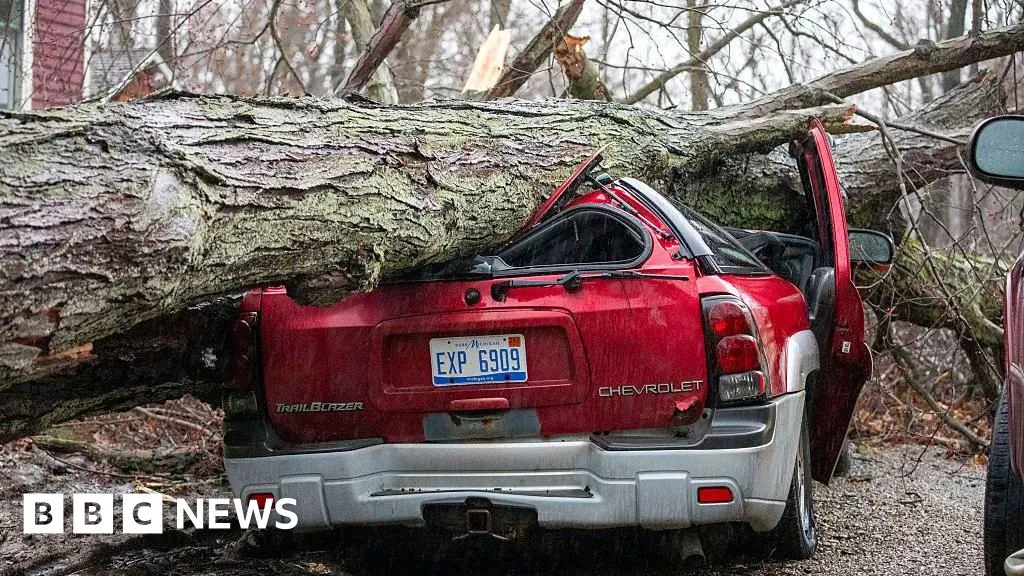
What do the recent Michigan tornadoes reveal about severe weather preparedness?
The recent tornadoes that struck Michigan on March 8, 2026, have raised critical questions about the state’s preparedness for severe weather events. Tragically, these tornadoes resulted in the deaths of six individuals across Michigan and Oklahoma, with a 12-year-old boy among the casualties.
In the Union Lake area near Union City, three people lost their lives, and twelve others sustained injuries due to the impact of an EF3 tornado, which reached wind speeds of at least 150 mph. This devastating tornado caused extensive damage, reducing homes to rubble and leaving communities in shock. Witnesses described scenes of destruction, with one resident noting, “You can look down the aisle ways, and we just watched the garden center on the far side of the store basically just disappear,” highlighting the tornado’s ferocity.
Additionally, an EF2 tornado with peak winds of at least 130 mph struck Three Rivers, further compounding the destruction across the state. Tornadoes are rated on the Enhanced Fujita scale based on estimated wind speeds and the damage they cause, and these recent events underscore the severity of the storms that can impact Michigan, which typically experiences an average of 15 tornadoes each year.
In response to the disaster, Michigan Governor Gretchen Whitmer declared a state of emergency for Branch, Cass, and St. Joseph counties, allowing for a more coordinated response to the crisis. Emergency responders have been working tirelessly to clear roads and assist affected residents, with one official stating, “We’re just getting everywhere as fast as we can, clearing roads as fast we can.” This response is crucial as communities begin to assess the full extent of the damage.
The aftermath of the tornadoes has left many residents grappling with the loss of their homes and loved ones. One local resident expressed gratitude for their family’s safety, saying, “I was just very grateful that God protected my daughter and my mom and sister and my family.” Such sentiments reflect the emotional toll these events take on individuals and families.
As the situation unfolds, further details about the tornado paths and characteristics are still being assessed. The full impact of the tornadoes on infrastructure and the community’s recovery efforts will take time to evaluate, and residents are left wondering what resources will be available to help them rebuild.
In the wake of these tragic events, it is essential for communities to review their preparedness for severe weather. The recent Michigan tornadoes serve as a stark reminder of the power of nature and the need for effective emergency planning to protect lives and property in the future.