By newsroom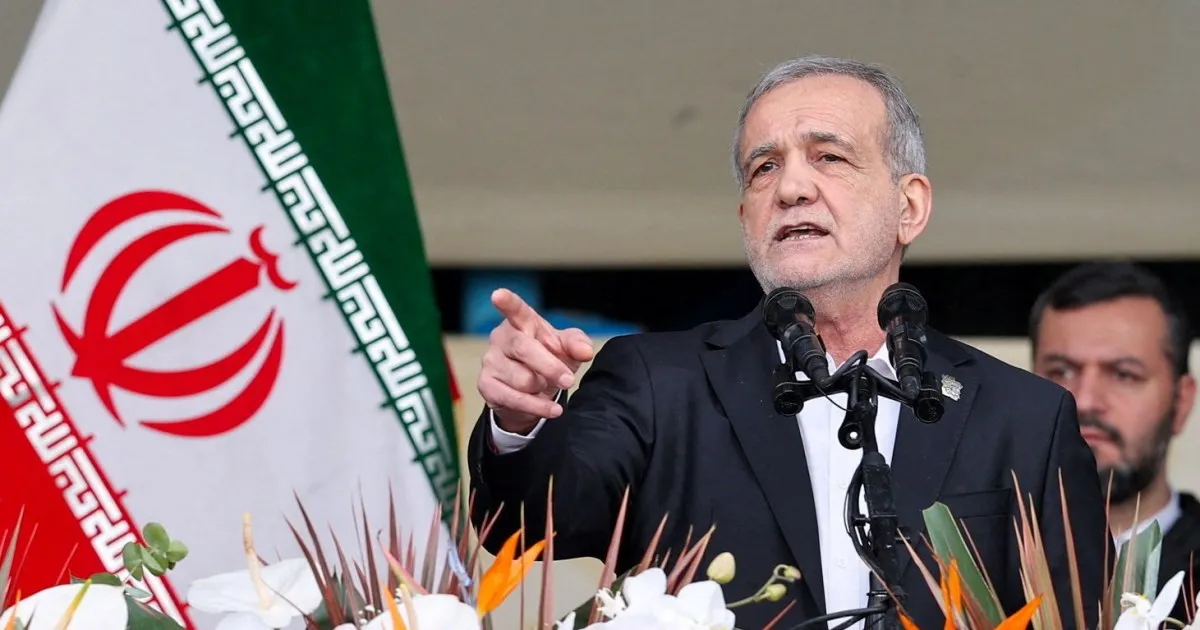
Iranian President Masoud Pezeshkian Addresses Regional Tensions
On March 8, 2026, Iranian President Masoud Pezeshkian publicly apologized to neighboring countries for Tehran’s recent retaliatory strikes, which have heightened tensions in the Gulf region. His remarks come in the wake of escalating military actions that have drawn international scrutiny and condemnation.
In his statement, Pezeshkian expressed regret for the attacks that have affected countries like Bahrain and Kuwait, where two personnel from the Ministry of Interior were killed during these incidents. He pledged to halt attacks against neighboring nations unless they originated from their territory, a move aimed at de-escalating the situation.
However, the Iranian Revolutionary Guards Corps (IRGC) expressed disapproval of Pezeshkian’s conciliatory tone, emphasizing that Iran would continue its military responses if the United States and Israel used regional bases to launch attacks against Iran. This divergence in messaging highlights the complexities within Iran’s leadership regarding military strategy and foreign relations.
Iran’s Foreign Minister Abbas Araghchi further complicated the narrative by stating that Tehran would not agree to a ceasefire in the Middle East, underscoring the ongoing conflict’s persistent nature. He remarked, “There needs to be a permanent end to the war,” indicating a desire for resolution but also a firm stance against perceived threats.
On the ground, tensions have been exacerbated by recent military actions, including an Iranian drone attack that caused material damage to a water desalination plant in Bahrain. Such incidents have prompted the Gulf Cooperation Council to condemn Iran’s actions as dangerous acts of aggression, further isolating Tehran in the region.
Iran’s leadership has been sending mixed messages about its military actions and intentions in the Gulf region, creating uncertainty about the future of its foreign relations. The IRGC’s assertion that they could sustain an intense war against the US and Israel for six months adds to the prevailing atmosphere of tension and unpredictability.
As the situation evolves, the implications of Pezeshkian’s apology on Iran’s foreign relations remain uncertain. Details remain unconfirmed regarding the exact nature of the relationship between Iranian leadership and the IRGC concerning military decisions, which could significantly impact future actions.
In summary, while President Pezeshkian’s apology may signal a desire for de-escalation, the IRGC’s firm stance and ongoing military actions suggest that tensions in the Gulf region are far from resolved.