
 By newsroom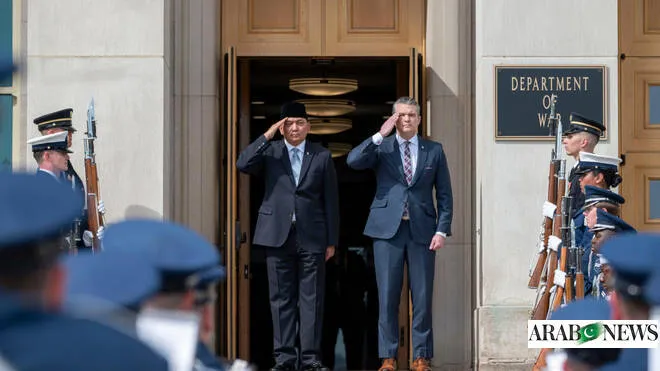
On April 14, 2026, Indonesia and the United States signed a major defense cooperation agreement in Washington, D.C., aimed at strengthening military ties and enhancing regional security. The agreement was announced by US officials, including Pete Hegseth, who emphasized the importance of this partnership in recognizing the strength and potential of bilateral defense relations.
The partnership encompasses military modernization, training, and operational cooperation, reflecting a commitment to mutual respect and benefit. Hegseth stated, “We are elevating our relationship to a Major Defense Cooperation Partnership, in recognition of the strength and potential of our bilateral defense ties.” This agreement comes as Indonesia maintains the strongest military in Southeast Asia, according to Global Firepower.
In addition to enhancing military capabilities, the agreement seeks to secure overflight access for US military aircraft over Indonesian airspace. This aspect of the partnership has raised discussions about sovereignty, with Indonesian officials asserting that “Authority, control, and oversight over Indonesian airspace rest entirely in our country,” as noted by Rico Ricardo Sirait.
Indonesia’s population was estimated at 281.19 million in 2023, with a population density of 147.15 people per square kilometer. The country has a total fertility rate of 2.13 births per woman and a life expectancy at birth of 71.1 years. These demographic factors contribute to Indonesia’s strategic importance in the region.
Historically, Indonesia has maintained a non-aligned diplomatic posture while engaging with both Western and Eastern powers, making this defense agreement a significant shift in its foreign policy. The partnership is expected to bolster regional deterrence and advance shared commitments to peace through strength, as highlighted by Sjafrie Sjamsoeddin, who stated, “We’re working on behalf of mutual respect and mutual benefit to enhance [the] value of our national interests.”
Initial reactions to the agreement have been mixed, with some praising the strengthened ties while others express concerns about the implications for Indonesia’s sovereignty and regional dynamics. As the details of the agreement unfold, it is anticipated that further discussions will take place regarding the operational aspects of the partnership.
Overall, this defense cooperation agreement marks a pivotal moment in US-Indonesian relations, setting the stage for enhanced collaboration in military and security matters in the coming years.