By Bilal Khan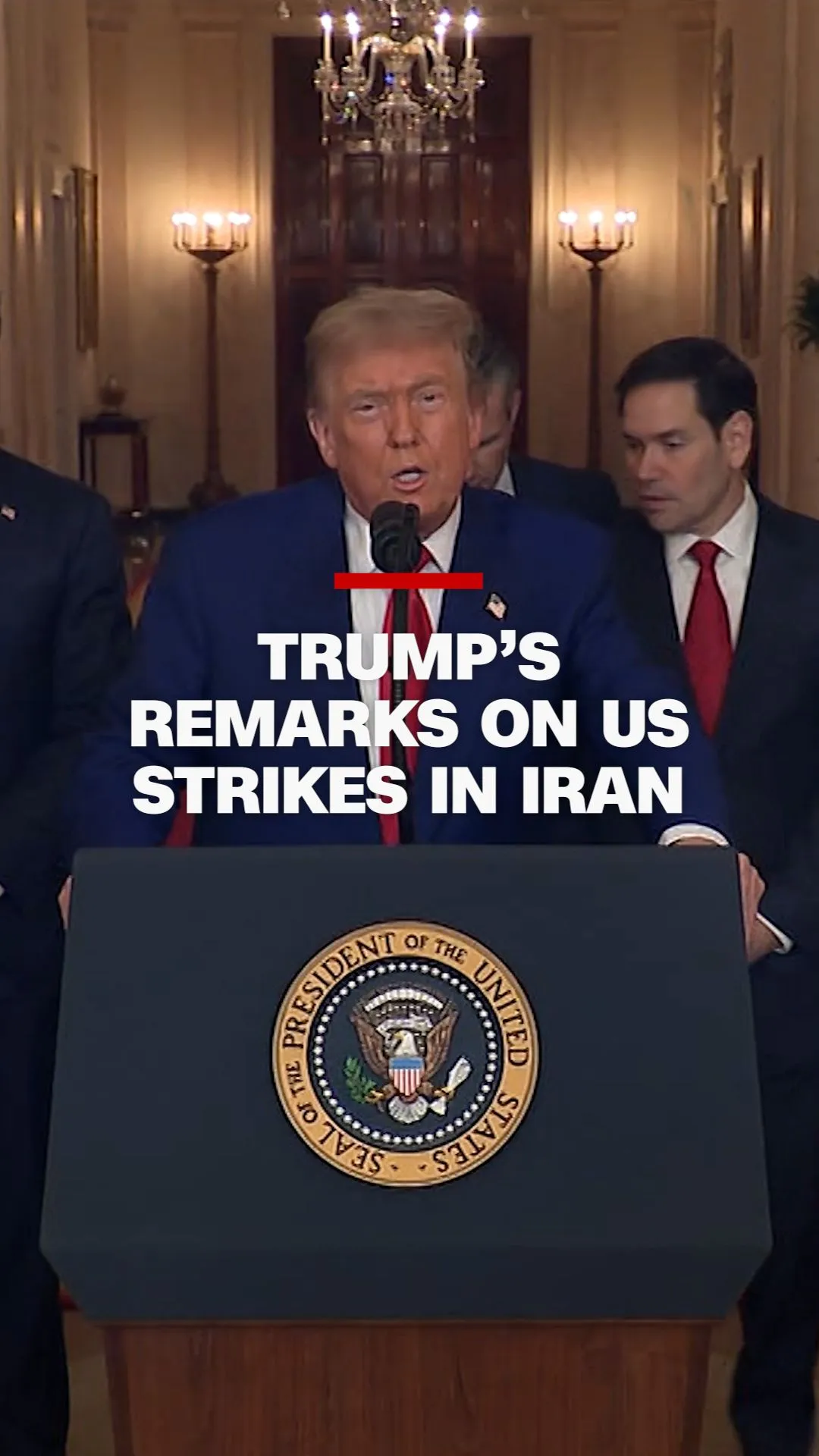
Will the US and Iran reach a deal in Islamabad? The answer remains uncertain as tensions escalate.
On April 19, 2026, Donald Trump announced that US negotiators will travel to Islamabad for talks with Iran. However, Iran has yet to decide whether to send a delegation to these discussions. The backdrop of this diplomatic effort includes accusations from Trump that Iran violated a ceasefire by opening fire in the Strait of Hormuz.
Iran’s military responded with warnings of retaliation against the US for seizing an Iranian cargo ship. This seizure has heightened tensions significantly. In fact, the US military has enforced a blockade that forced 23 ships to turn around near the Strait of Hormuz.
Trump further escalated rhetoric by threatening to destroy Iran’s power plants and bridges if they do not accept the proposed deal. He stated, “We’re offering a very fair and reasonable deal, and I hope they take it because, if they don’t, the United States is going to knock out every single power plant, and every single bridge, in Iran.” His comments reflect a hardline stance amid ongoing negotiations.
Iran’s Ministry of Foreign Affairs labeled the US blockade unlawful and a violation of the ceasefire agreement. They also asserted that their absence from talks stems from what they view as excessive demands from Washington. An Iranian official remarked that these conditions include unrealistic expectations and constant shifts in stance—factors that contribute to their reluctance to engage.
The ceasefire is critical, set to expire soon—specifically, just two weeks from now. This timeline adds urgency to the discussions, though uncertainties remain about whether Iran will participate or how negotiations will unfold.
As both sides prepare for potential talks, one phone call is planned between Iranian and Pakistani leaders. This call may influence Iran’s decision regarding participation. Details remain unconfirmed about the exact composition of the US delegation sent to Pakistan for these talks.
The outcome of this situation remains unclear. The status of the ceasefire hangs in the balance as both nations navigate this complex diplomatic landscape.