By newsroom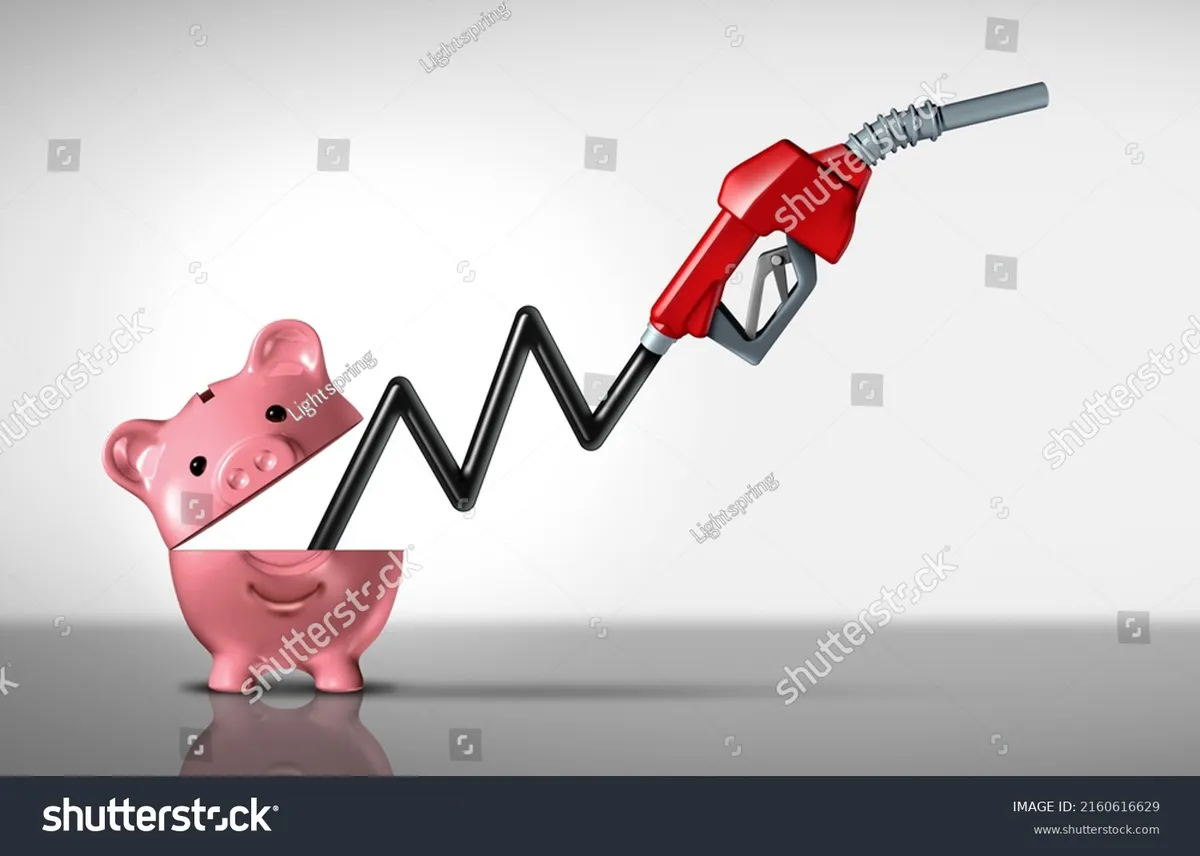
“Driving just got more expensive,” an observer noted following the latest petrol price increase in Pakistan. The government raised fuel prices by up to Rs27 per litre, with petrol now priced at Rs393.4 per litre, up from Rs366.6. High-speed diesel also saw a rise, reaching Rs380.2 per litre from Rs353.42.
The petroleum levy on petrol increased to Rs107.4 per litre. Total collections from this levy have exceeded Rs1.2 trillion in the first nine months of the fiscal year. Taxation on petrol now totals roughly Rs134 per litre, which includes various duties and climate-related charges.
Diesel has a lower levy exposure at around Rs36 per litre, including customs duties and climate support components. Yet, the increase in diesel prices could affect the cost of daily essentials, public transport fares, and the movement of goods across the country.
The government plans to implement an additional Rs2.5 per litre increase in the climate support levy starting July 1. This move signals ongoing adjustments in fuel pricing strategy as authorities navigate fiscal consolidation linked to the International Monetary Fund programme.
The revised prices for both petrol and diesel will take effect from midnight on April 25, 2026. “This hike may not stay limited to petrol pumps,” another source cautioned, hinting at broader economic implications.
As inflationary pressures mount, citizens are left wondering how these changes will impact their daily commutes and overall living costs. Kerosene prices were reduced by Rs63.6 per litre to Rs365, while light diesel oil saw a decrease of Rs29 per litre to Rs270.
The situation remains fluid as officials continue to assess the impacts of global oil prices and domestic taxation policies on local markets.