By Bilal Khan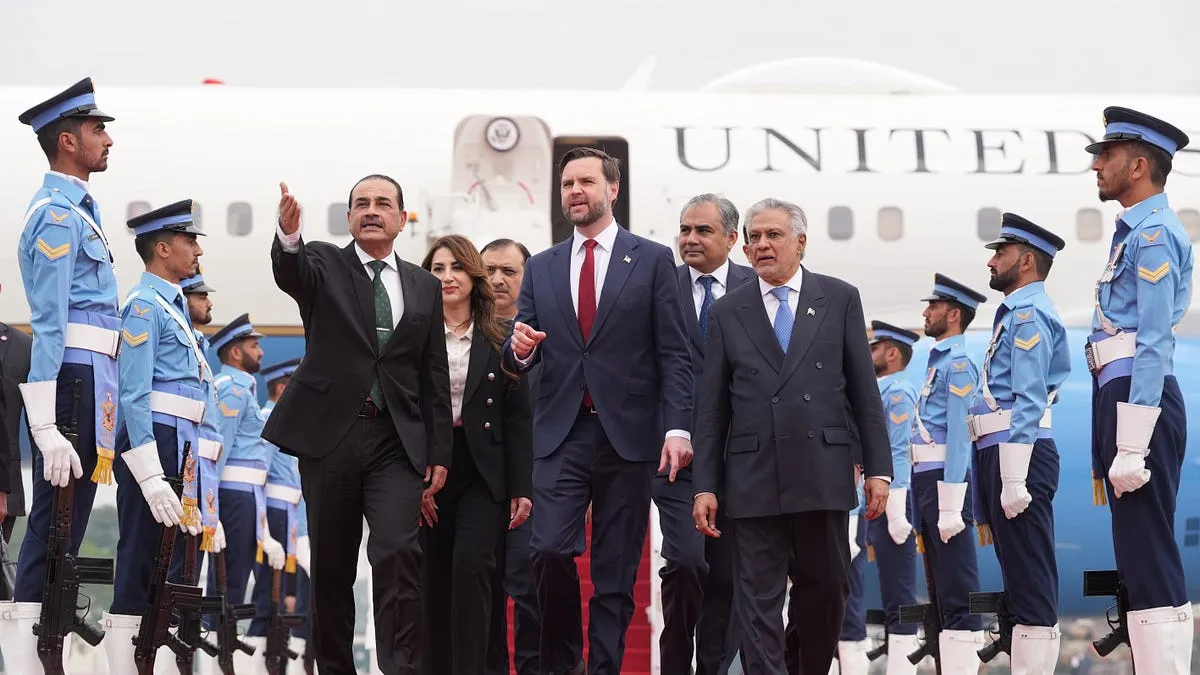
Historically, Pakistan has maintained a strategic partnership with Saudi Arabia, rooted in a defense pact that has evolved since its inception in 1982. This relationship has been characterized by military cooperation and significant financial support, with Saudi Arabia providing over $5 billion to Pakistan. The defense agreement, known as the Strategic Mutual Defense Agreement (SMDA), obligates Pakistan to assist in the defense of Saudi Arabia if requested. However, the details of this pact have remained undisclosed to the Pakistani parliament, raising concerns about democratic oversight and accountability.
As of April 2026, the geopolitical landscape shifted dramatically when Pakistan took on the role of mediator in ceasefire talks between the United States and Iran. This development marked a significant moment in Pakistan’s foreign policy, showcasing its potential to influence regional stability. The negotiations, which lasted for 12 hours, ultimately ended without a formal agreement, but the attempt underscored Pakistan’s strategic positioning in Middle Eastern diplomacy.
The immediate effects of Pakistan’s mediation efforts were felt across the region. The ceasefire negotiated by Pakistan is intended to apply to the entire region, indicating a broader ambition beyond just U.S.-Iran relations. However, the failure to reach an agreement has left many questioning the effectiveness of Pakistan’s role. Ishaq Dar, Pakistan’s Finance Minister, emphasized the nation’s commitment to facilitating dialogue, stating, “Pakistan has been and will continue to play its role to facilitate engagements and dialogue between the Islamic Republic of Iran and the United States of America in the days to come.”
Simultaneously, Saudi Arabia announced the deployment of a military force from Pakistan to King Abdulaziz Air Base, highlighting the ongoing military collaboration between the two nations. This move follows the signing of a revised defense pact in 2005, which obligates Pakistan to engage in the physical defense of Saudi Arabia if requested. The implications of this military presence are significant, as they could potentially draw Pakistan deeper into regional conflicts, particularly in relation to Iran.
Experts have voiced concerns regarding the complexities of Pakistan’s dual role as a mediator and military ally. An unnamed source noted, “The Saudi pact is becoming a problem for us,” reflecting the tension between Pakistan’s commitments to Saudi Arabia and its aspirations for a neutral diplomatic stance in the region. The delicate balance of these relationships raises questions about Pakistan’s long-term strategic interests and its ability to navigate the intricate dynamics of Middle Eastern politics.
Moreover, the Pakistani military’s involvement in clandestine agreements and diplomacy outside the purview of democratic institutions has sparked debate within the country. Critics argue that such actions undermine democratic processes and accountability, particularly given the lack of parliamentary oversight regarding the defense pact with Saudi Arabia. This situation has created a complex environment where national interests, regional stability, and democratic values intersect.
Looking ahead, the specific conditions under which the reciprocity of the defense pact may be triggered remain unclear, as do the exact implications of the defense pact on Pakistan’s involvement in the conflict with Iran. As Pakistan continues to navigate its role in Middle Eastern diplomacy, the outcomes of these engagements will be closely monitored by regional and global stakeholders. Details remain unconfirmed.