By newsroom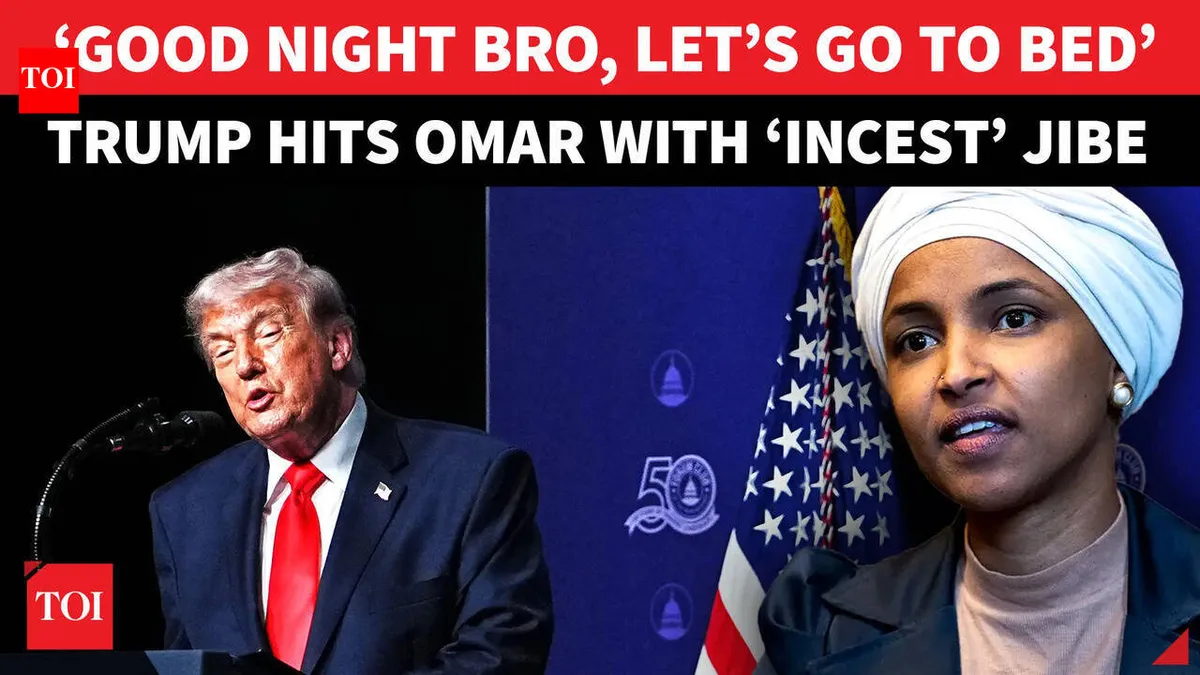
Donald Trump made personal allegations against Ilhan Omar during a rally in Florida on May 1, 2026. His comments targeted her alleged marriage to her brother, a claim that has been widely discredited. The remarks have drawn widespread condemnation and reignited a long-standing feud between Trump and the congresswoman.
Before this incident, the political discourse surrounding Omar had been contentious but relatively stable. She has faced scrutiny for her views on immigration and foreign policy since her election as one of the first Muslim women in Congress. Trump’s latest remarks escalated tensions significantly.
During the rally, Trump accused Omar of marrying her brother, stating, “I believe she married her brother, which is totally illegal.” He further mocked her heritage by referring to Somalia as a “filthy” and “disgusting” place. Omar has consistently denied the allegations regarding her marriage, asserting that she is married to Tim Mynett, not her brother.
The allegations against Omar have circulated in fringe political circles for years without credible evidence. Yet they persist in political rallies and discussions. Following Trump’s comments, Omar responded by criticizing him for his past criminal convictions, stating, “I still don’t know how anyone would willingly humiliate themselves like this but here we are.”
This incident highlights how personal attacks can dominate political rallies and overshadow substantive issues. Experts suggest that such rhetoric may deepen divisions within political discourse and affect public perception of both figures involved.
The incident marks the latest escalation in an ongoing conflict between Trump and Omar. Their exchanges often reflect broader societal tensions regarding race, immigration, and identity politics.
As this feud continues to unfold, it remains uncertain how it will impact future political campaigns or legislative efforts involving either party. Nevertheless, the personal nature of Trump’s attacks suggests that these themes will remain central in upcoming political discussions.