By newsroom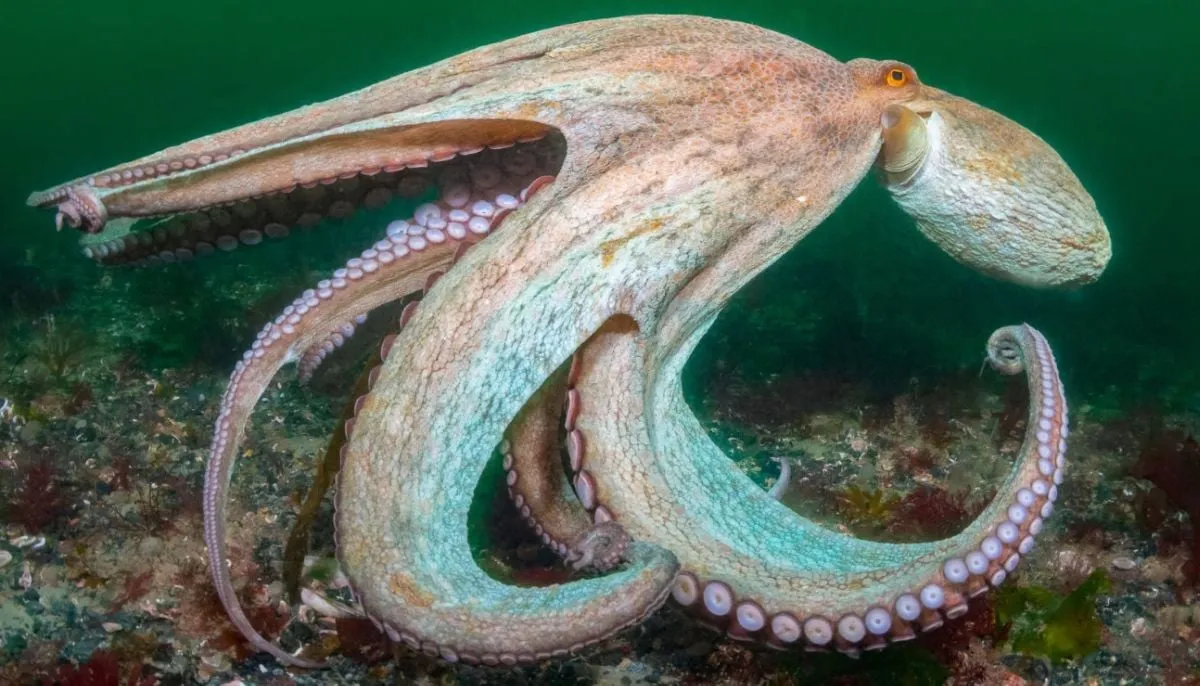
“These giant octopuses likely occupied the same ecological tier and may have competed with marine reptiles and sharks within the same ecosystem,” said Mr. Iba.
Researchers recently uncovered fossils of Nanaimoteuthis haggarti, a giant octopus that lived approximately 100 million years ago during the late Cretaceous period. The creature could reach lengths between 7 and 19 meters. Fossils indicate that these octopuses were apex predators in ancient seas.
The jaws of these octopuses were the largest ever found for the species. They likely feasted on hard-shelled prey such as shrimp and lobsters, showcasing their advanced hunting capabilities.
Fernando Ángel Fernández-Álvarez remarked, “I wasn’t expecting any octopus of this magnitude at all.” The findings suggest these creatures may have been large enough to drag down ships, similar to the legendary Kraken.
The fossilized remains were discovered in concretions formed on the seafloor. The study utilized digital fossil-mining techniques to uncover these remains, which challenge the belief that vertebrates dominated the Cretaceous seas.
Modern giant squids are significantly smaller than these ancient octopuses, which had a unique jaw structure that allowed them to crush prey effectively. This discovery adds a new layer to our understanding of marine ecosystems during that era.
Yasuhiro Iba noted, “Our results suggest that some of those remarkable traits may already have been emerging in early octopuses during the Cretaceous.” It would be hard even for the remaining oceanic dinosaurs to compete with an intelligent 19m predator.
Yet, uncertainties remain regarding the exact shape and full size of these ancient octopuses. It is also unclear how quickly they could swim, leaving room for further research.