By newsroom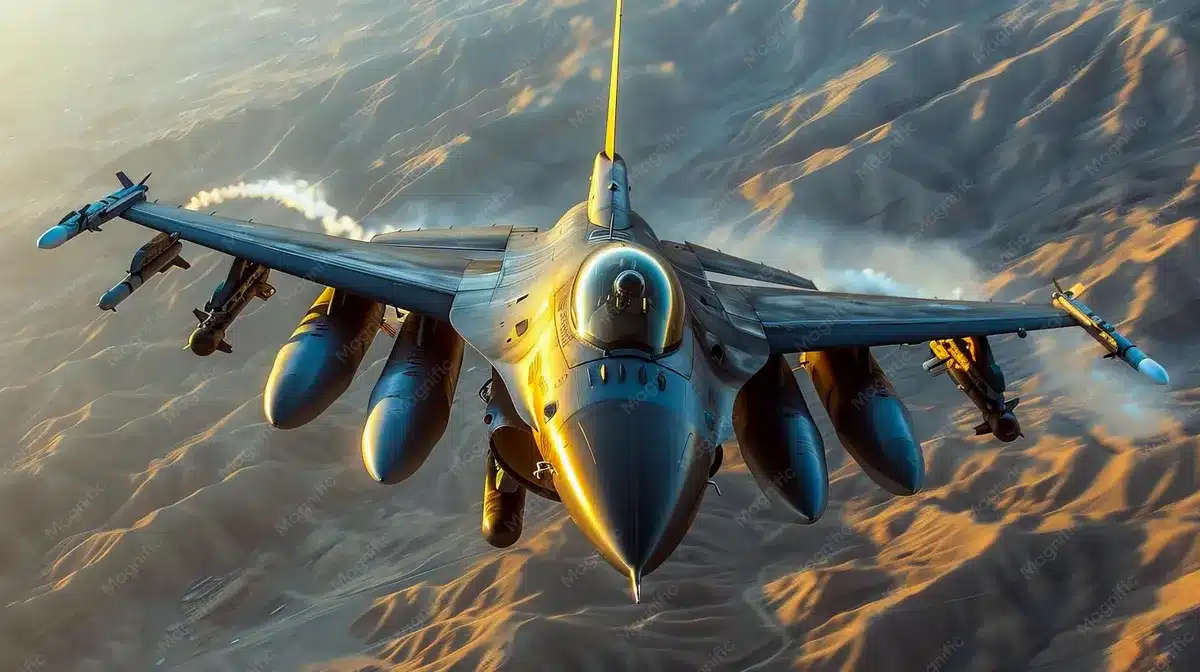
“Of course, lately, recent Chinese platforms, they’ve demonstrated exceptionally well,” said Lt Gen Ahmed Sharif Chaudhry. Following the May 2025 conflict between India and Pakistan, sales of Chinese fighter jets surged. The Chengdu Aircraft Corporation reported significant revenue growth linked to this military engagement.
Key statistics:
- Chengdu Aircraft Corporation’s revenue rose by 15.8% to 75.4 billion yuan ($11 billion) in 2025.
- The company’s profits increased by 6.5% to 3.4 billion yuan, marking a historical high.
- The Pakistan Air Force inducted the J-10C in March 2022 and utilized it effectively during the conflict.
The conflict saw Pakistan down seven Indian fighter jets, including French-made Rafale jets. This event served as a real-world test for modern Chinese military hardware, particularly the JF-17 Thunder and J-10C.
The Indian Air Force (IAF) has struggled with a shortfall of 10 to 12 combat squadrons, equating to about 220-250 aircraft. Since 2001, it has ordered only 40 Tejas light combat aircraft, indicating a pressing need for modernization.
The Tejas Mark 1A is expected to have an indigenous content of 50% by program completion. The IAF’s first order for 83 Tejas Mark 1A fighters is likely to be fulfilled by the end of 2028-29.
The conflict ended on May 10, 2025, with a ceasefire brokered by the United States. The successful deployment of Chinese platforms during this period has led to increased interest in their capabilities among other nations.
The Tejas Mark 1A is viewed as a potent platform for meeting the IAF’s operational needs. As countries reassess their defense strategies, the implications of these developments will unfold in coming years.