By newsroom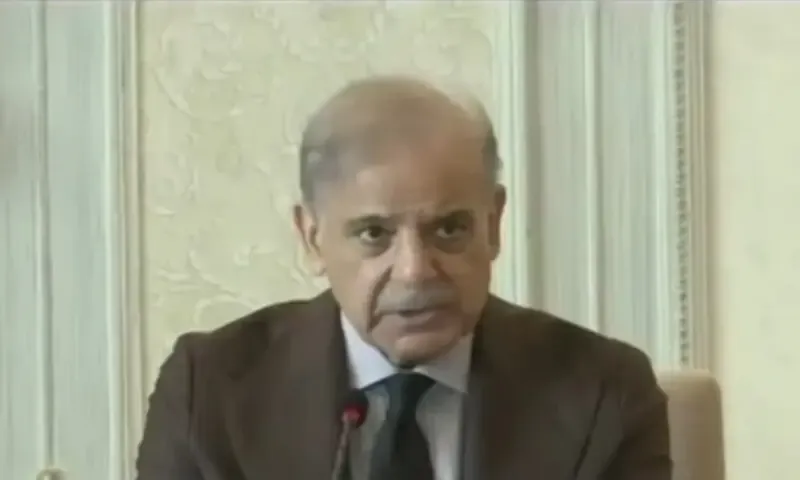
Pakistan’s economic stability is under threat as the weekly oil bill skyrockets amid ongoing geopolitical tensions. On April 29, 2026, the country’s weekly oil bill reached $800 million, a significant rise from the previous $300 million. This surge in oil prices comes as conflicts in the Middle East escalate, directly impacting inflation and foreign exchange reserves.
The State Bank of Pakistan (SBP) responded to this crisis by raising its key policy rate by 100 basis points to 11.5%. The SBP’s decision aims to protect reserves and prevent pressure on the rupee. The central bank acknowledges that inflation is expected to remain above its medium-term target range of 5-7% for much of the next fiscal year.
As a result of these developments, headline inflation rose to 7.3% in March 2026, with core inflation edging up to 7.8%. Prime Minister Shehbaz Sharif noted that the rising oil costs have complicated Pakistan’s macroeconomic outlook. He stated, “Our weekly pre-war oil bill was around $300 million, and today it is up to $800 million.” This dramatic increase underscores the severity of the situation.
The effects of this economic strain are widespread. Remittances play a crucial role in financing over 100% of Pakistan’s trade imbalance. However, recent events threaten this balance. Foreign exchange reserves have improved recently due to external financing inflows and debt rollovers, but uncertainties remain about their sustainability.
Experts warn that the ongoing Middle East conflict complicates efforts for economic recovery. The SBP governor described the rate hike as a “pre-emptive move” to contain second-round effects before they became entrenched. With rising inflation and increasing oil prices, Pakistan’s economy faces significant challenges ahead.
Pakistan has recently managed to pay back a $3.45 billion deposit to the UAE and received a $3 billion transfer from Saudi Arabia. These actions reflect ongoing efforts to stabilize foreign exchange reserves amid increasing pressure from external factors.
The situation remains precarious as officials continue to navigate these turbulent waters. Prime Minister Sharif mentioned that “the situation now appeared satisfactory,” but he also acknowledged that “with the war, our efforts of two years have witnessed a setback.” The path forward will require careful management of both domestic and international economic relations.
As inflation continues to rise and geopolitical tensions persist, Pakistan faces an uncertain economic future that will demand resilience and strategic planning.