By Bilal Khan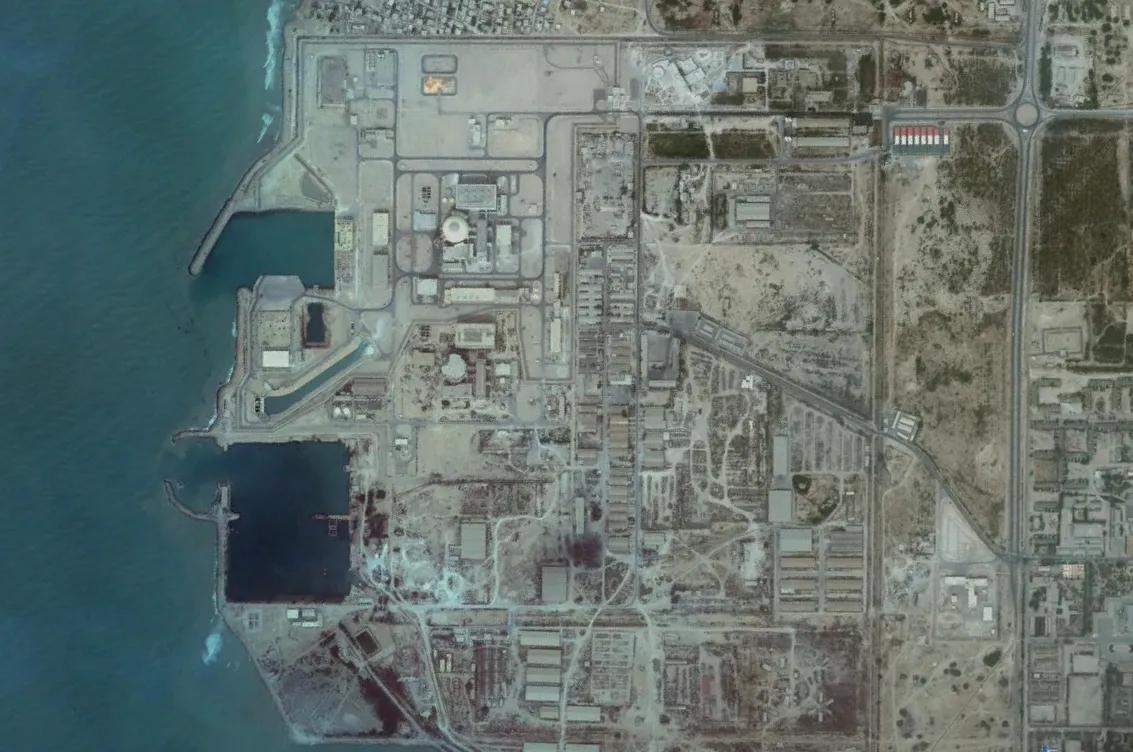
What are the implications of Russia’s recent withdrawal of staff from Iran’s Bushehr nuclear power plant? The evacuation, which saw 108 Russian personnel leave, has raised significant safety concerns amid escalating tensions in the region.
Currently, only 20 Russian staff members remain at the facility, which houses a 1,000-megawatt reactor. The plant is Iran’s sole active nuclear power station and has been operational since the first power unit was commissioned in 2011 with Russian assistance.
The evacuation was prompted by threats of airstrikes related to the ongoing US-Israeli conflict with Iran. The area surrounding the Bushehr plant has been struck at least four times during this conflict, raising alarms about the potential for a radiological disaster. Moscow has warned that attacks near the plant could lead to consequences more devastating than the Chernobyl disaster.
Despite these threats, Iranian officials maintain that the Bushehr plant poses no health risks to the public. Fatemeh Mohajerani, a spokesperson for Iran’s Atomic Energy Organization, stated, “Iran’s nuclear facility, the Bushehr Nuclear Power Plant, is functioning normally and poses no health risks to the public.”
However, the situation remains precarious. One guard at the facility was killed in an attack, although the plant itself reportedly sustained no damage. This incident underscores the risks faced by personnel working at the site.
In light of these developments, Russia has offered to take in Iran’s enriched uranium as part of a peace deal, but this offer has yet to be acted upon. Dmitry Peskov, a Kremlin spokesperson, remarked, “The offer still stands, but has not been acted upon,” indicating a complex geopolitical landscape.
As the situation evolves, the Atomic Energy Organization of Iran continues to monitor the plant closely. The international community remains watchful, as actions in this region could have broader implications for global energy markets.
Details remain unconfirmed regarding the future of the Bushehr plant and the safety of its operations. The ongoing conflict and geopolitical tensions will likely continue to impact the facility and its personnel.