By newsroom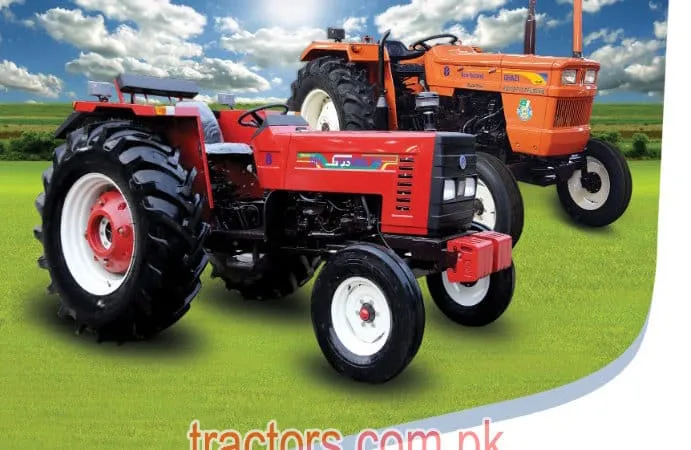
Pakistan plans to introduce a new auto sector policy that will gradually reduce tariffs on vehicle imports. The government aims to lower the weighted average tariff from 10.6 percent to 7.4 percent by 2030.
The initial tariff rate is expected to drop to 9.5 percent in the upcoming federal budget for 2026 to 2027. This revised policy introduces a simplified tariff structure with four slabs set at 0 percent, 5 percent, 10 percent, and 15 percent.
Customs duty on completely built up vehicles will be capped at 15 percent over the next five years. Currently, a hefty 40 percent regulatory duty applies to used vehicle imports, which will be reduced over time and eventually removed.
The proposed Motor Vehicle Development Act has been submitted to parliament and is expected to gain approval soon. This new policy represents a significant shift in Pakistan’s approach to the automotive sector.
The government seeks to create a more competitive and transparent market by lowering tariffs and introducing regulatory reforms. Consultations with industry stakeholders are ongoing to balance encouraging imports while protecting local manufacturers like Al-Ghazi Tractors.
This initiative is part of Pakistan’s economic reform commitments linked to a $7 billion bailout program with the International Monetary Fund.
The personal baggage scheme has been abolished, and conditions for gift and transfer of residence schemes have tightened. These changes reflect the government’s broader strategy to revamp the auto industry.
Yet, details remain unconfirmed regarding how these changes will specifically impact local players like Al-Ghazi Tractors in the long term.