









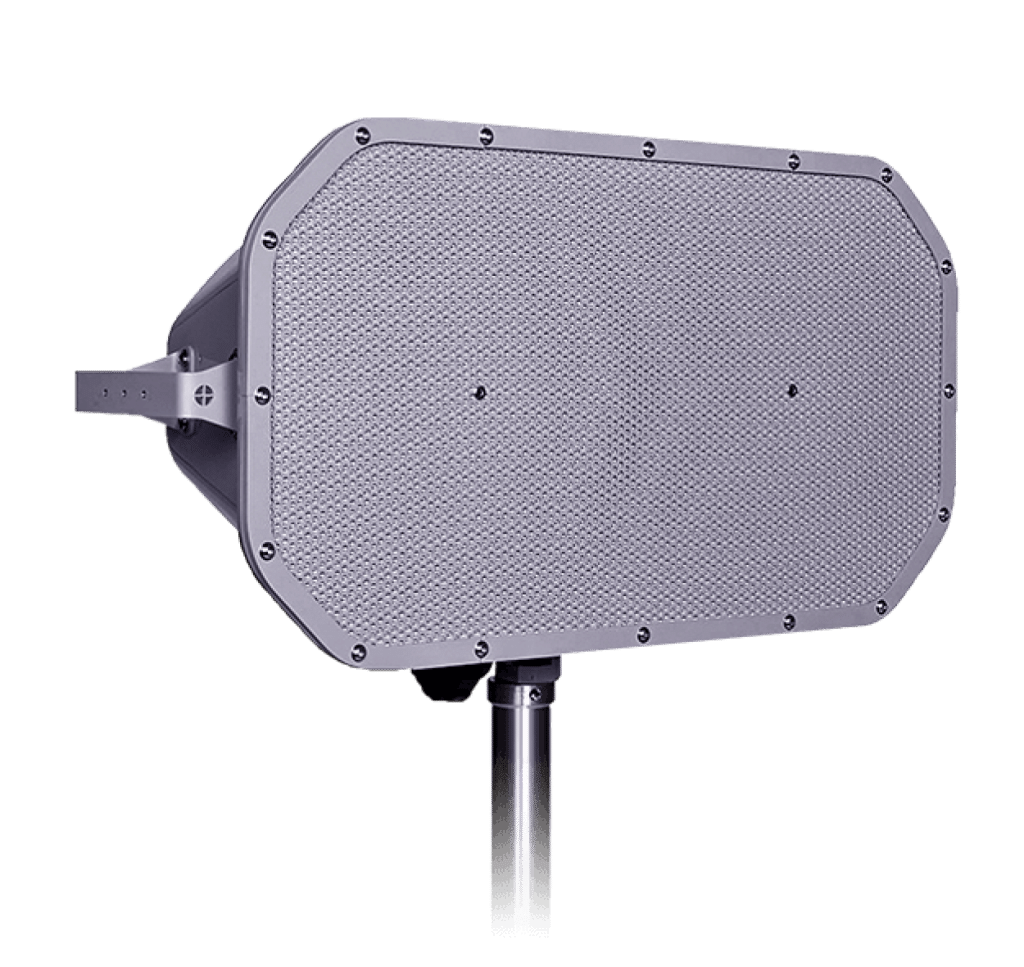
Introduction to LRAD Technology
The Long Range Acoustic Device (LRAD) is a specialised sound technology designed for communication over long distances. Developed originally for military applications, LRAD systems have gained prominence in various fields including law enforcement, maritime safety, and public events. The acute focus of LRAD technology is its capability to project sound at a volume that can be heard from hundreds of meters away, thus making it a vital tool for effective communication and crowd management.
How LRAD Works
LRAD uses advanced speaker technology that enables it to produce clear audio at high decibel levels (up to 150 decibels). This allows law enforcement and military users to issue warnings or instructions that can overcome ambient noise, such as that generated by a large crowd. The device can deliver audio messages as well as deterrent sounds to disperse unwanted gatherings safely and efficiently. Current models often include the ability to record and transmit messages over various frequencies and refine their sound output to target specific audiences or locations.
Applications of LRAD
LRAD has been deployed in numerous situations: from directing crowds during large-scale public events, to maritime communications in emergency rescue missions. Police agencies have utilised LRAD systems in protest scenarios to disseminate instructions or warnings to prevent violent outbreaks, an approach that aims to reduce the need for physical intervention. Furthermore, the device has been employed in disaster management, allowing for swift communication in situations where other forms may fail.
Recent Events and Developments
In recent years, the use of LRAD technology has prompted discussions on the ethics and implications of its deployment. Notably, during civil protests, critics argue that while LRAD is a non-lethal option for crowd control, its use can escalate tensions and lead to miscommunication among demonstrators. Recent reports indicate that various police departments are actively re-evaluating their strategies regarding LRAD technology, balancing public safety concerns with individual rights.
Conclusion
The continued evolution and application of LRAD technology will undoubtedly shape its role in public safety and law enforcement. As agencies look for methods to enhance communication and crowd management, LRAD serves as a promising yet contentious tool. Monitoring its deployment in the future is essential for understanding how technology can help foster safer environments while also respecting civil liberties. With local and international conversations surrounding public safety changing, LRAD may play a significant role in future law enforcement strategies.