









Escalation in the Iraq Iran War
On March 12, 2026, the Iraq Iran War has intensified, resulting in the largest supply disruption in the history of the global oil market. Iran has issued a stark warning, threatening to prevent ‘one liter’ of oil from passing through the critical Strait of Hormuz as hostilities escalate.
Immediate Impact on Oil Supply
Current shipments through the Strait of Hormuz have plummeted to less than 10% of pre-war levels, with oil prices hovering around $100 per barrel amid fears of further supply disruptions. The International Energy Agency (IEA) has revised its 2026 oil supply estimate down to 1.1 million barrels per day, a significant drop from the previous estimate of 2.4 million barrels.
Humanitarian Consequences
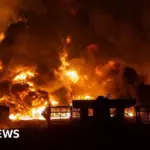
The conflict has resulted in approximately 2,000 fatalities and over 1,100 children injured, according to UNICEF. Recent attacks by Iranian explosive-laden boats on two fuel tankers in Iraqi waters have further exacerbated the situation, leading to the death of one crew member.
Global Responses and Reactions
In response to the crisis, the United States has authorized the release of 172 million barrels from its Strategic Petroleum Reserve to mitigate the impact of the escalating conflict. U.S. President Donald Trump stated, “We got to finish the job,” emphasizing the need for decisive action.
As the situation unfolds, analysts predict that oil prices could reach $200 a barrel, with Iran’s military spokesperson warning that regional security instability directly influences oil pricing. The IEA acknowledged the coordinated emergency stock release as a “significant and welcome buffer,” but cautioned that it remains a stop-gap measure without a swift resolution to the conflict.
This conflict has not only affected regional dynamics but has also prompted plans for a record release of strategic oil reserves globally. The ongoing war continues to have far-reaching implications for energy markets and international relations.
Looking Ahead
As the Iraq Iran War continues, the international community watches closely for further developments. Details remain unconfirmed regarding the long-term impacts on oil supply and regional stability.