








The wider picture
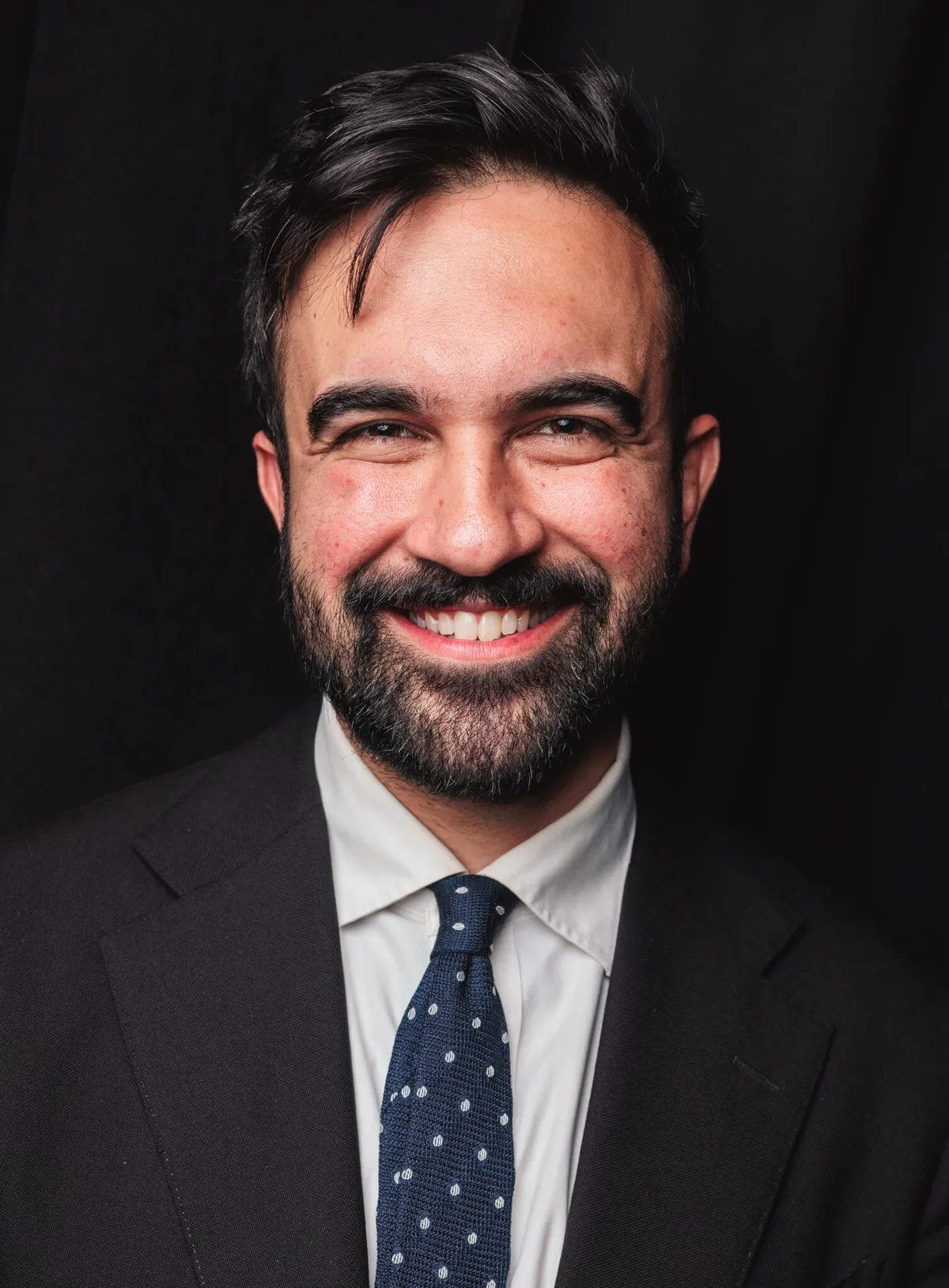
Zohran Mamdani’s recent election as the Mayor of New York City has sparked a mix of optimism and concern among various stakeholders. His victory over former Governor Andrew Cuomo was seen as a significant shift in the city’s political landscape, triggering warnings from business leaders and conservatives about potential consequences for the metropolis. As the youngest mayor in the city’s history, Mamdani’s leadership style and policies are closely scrutinized by both supporters and critics.
On March 25, 2026, Archbishop Elpidophoros of America welcomed Mamdani to the Archdiocesan headquarters for his first official visit since taking office. During this meeting, Elpidophoros congratulated Mamdani on his election, describing it as “a sign of hope for many New Yorkers.” This endorsement from a prominent religious leader highlights the importance of community support in Mamdani’s administration.
In his remarks, Mamdani expressed gratitude for the warm welcome, stating, “Your kind words give such a real sense of being welcomed here.” He emphasized the significance of the Church’s mission, saying, “What inspires me so much about the Church is the message of lifting up those who have so often been overlooked.” This sentiment aligns with his administration’s focus on inclusivity and community engagement.
Archbishop Elpidophoros also invited Mamdani to attend the upcoming Greek Independence Day Parade on April 26, further solidifying the relationship between the mayor’s office and the Greek-American community. During their meeting, Elpidophoros presented Mamdani with a silver icon symbolizing hospitality and compassion across faiths, reinforcing the theme of unity in diversity.
Mamdani’s administration has already made significant promises, including federal support for 12,000 new housing units in Queens, aimed at addressing the city’s ongoing housing crisis. This initiative is part of a broader strategy to create approximately 30,000 jobs through housing projects, which could help stimulate the local economy. Additionally, Mamdani’s approach to snow clearing, which involves paying residents $30 an hour to assist in the effort, reflects his commitment to community involvement.
Despite these positive developments, Mamdani has faced challenges, including criticism for his stance on Israel and the appointments of individuals with antisemitic content. His condemnation of the outbreak of the war against Iran also angered some communities, highlighting the complexities of navigating diverse political landscapes in New York City. Nonetheless, his approval rating stands at 63%, indicating a level of support from the public as he embarks on his mayoral term.
As Mamdani continues to implement his policies, observers are keenly watching the impact of his administration on crime rates and community relations. Recent statistics show an 8% decline in major crime across the city in February, alongside a 20% decrease in burglaries and a 24.7% drop in retail theft. These figures may bolster confidence in Mamdani’s leadership as he seeks to address the concerns of New Yorkers.
Looking ahead, Mamdani’s administration is expected to focus on fulfilling its promises regarding housing and community engagement. The upcoming Greek Independence Day Parade will serve as an opportunity for Mamdani to further connect with the community and showcase his commitment to inclusivity. As the youngest mayor in New York City’s history, Mamdani’s actions and policies will be closely monitored as he navigates the complexities of urban governance.