









Introduction
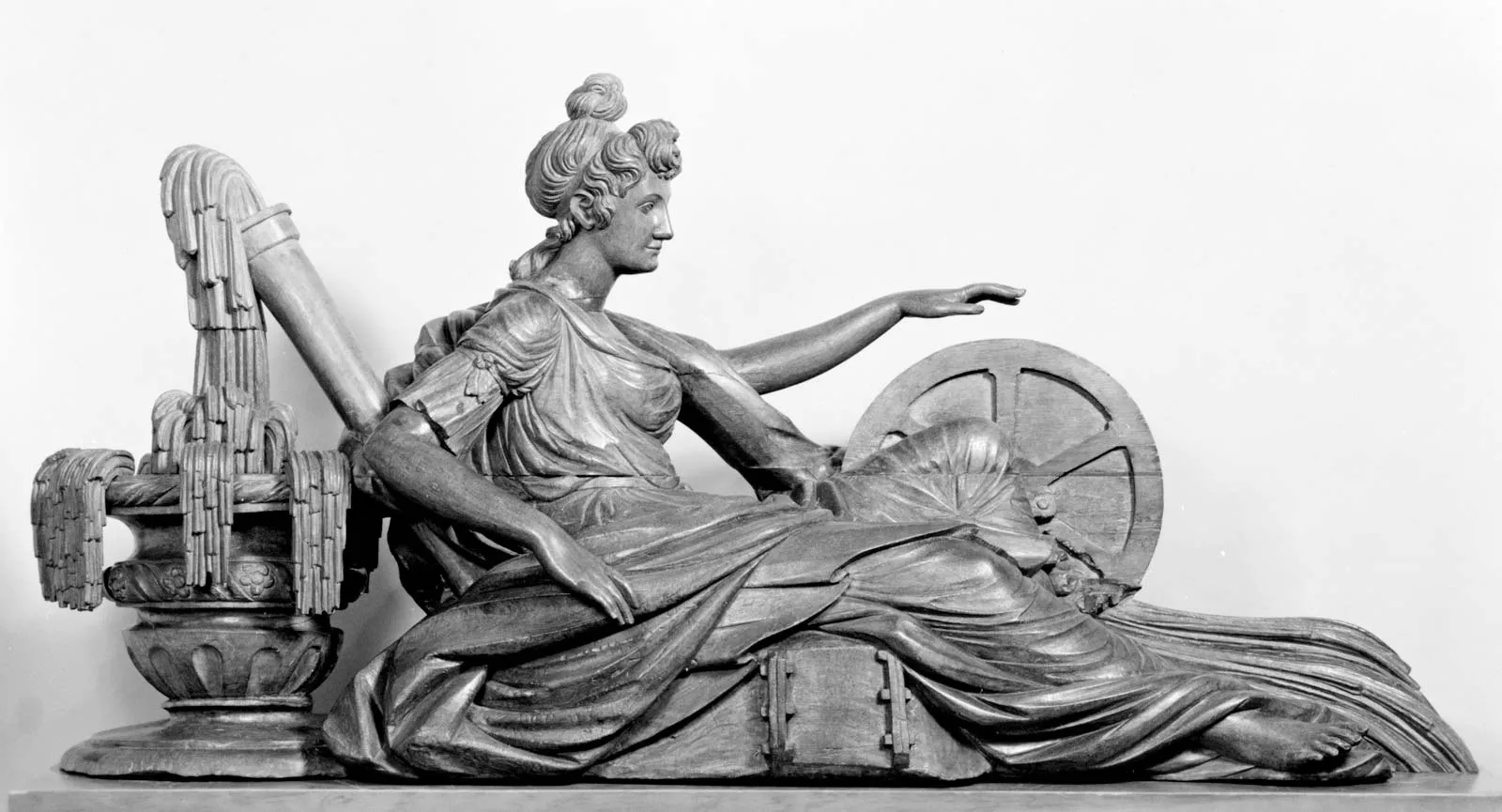
William Rush (1756-1833) is widely regarded as a pivotal figure in American sculpture, particularly known for his significant contributions during the early 19th century. His work reflects not only the technological advancements of his time but also the artistic sensibilities that began to shape a distinctly American aesthetic. As the first established American-born sculptor, Rush’s legacy continues to influence contemporary artists and remains relevant in discussions about American art history.
Early Life and Career
Born in Pennsylvania, Rush trained as a woodcarver before becoming fascinated with sculpting in marble and wood. He established his studio in Philadelphia, where he gained recognition for his public monuments and portrait sculptures. His most famous work, the large-scale figure of “The Water Nymph and Bittern,” showcased his ability to merge classical influences with an emerging American identity.
Major Works and Contributions
Rush’s oeuvre includes numerous important public sculptures, primarily in Philadelphia, including the statue of George Washington located on the east side of City Hall. His ability to convey emotion and vitality through his figures marked a departure from the more rigid forms predominant in European sculptures of the era. Additionally, Rush was instrumental in establishing the Pennsylvania Academy of the Fine Arts, which played a crucial role in educating and promoting American artists.
Legacy and Recognition
Following his death, Rush’s work gained recognition for its unique blend of realism and idealism. Institutions such as the Metropolitan Museum of Art and the Philadelphia Museum of Art house several of his pieces, underscoring his importance in the American canon of art. Current exhibitions and academic research continue to highlight his contributions, reminding us of the foundational role he played in shaping American sculpture.
Conclusion
William Rush’s contributions to the field of sculpture reflect the dynamic cultural landscape of early America. His ability to create art that resonates with national pride and identity was groundbreaking. As modern artists continue to draw from historical influences, Rush’s work serves as an important touchstone for discussions about identity, culture, and the evolution of American artistic expression. His legacy remains significant, encouraging new generations to explore their creative potential within the context of their own cultural backgrounds.