









Introduction to the TV Licence
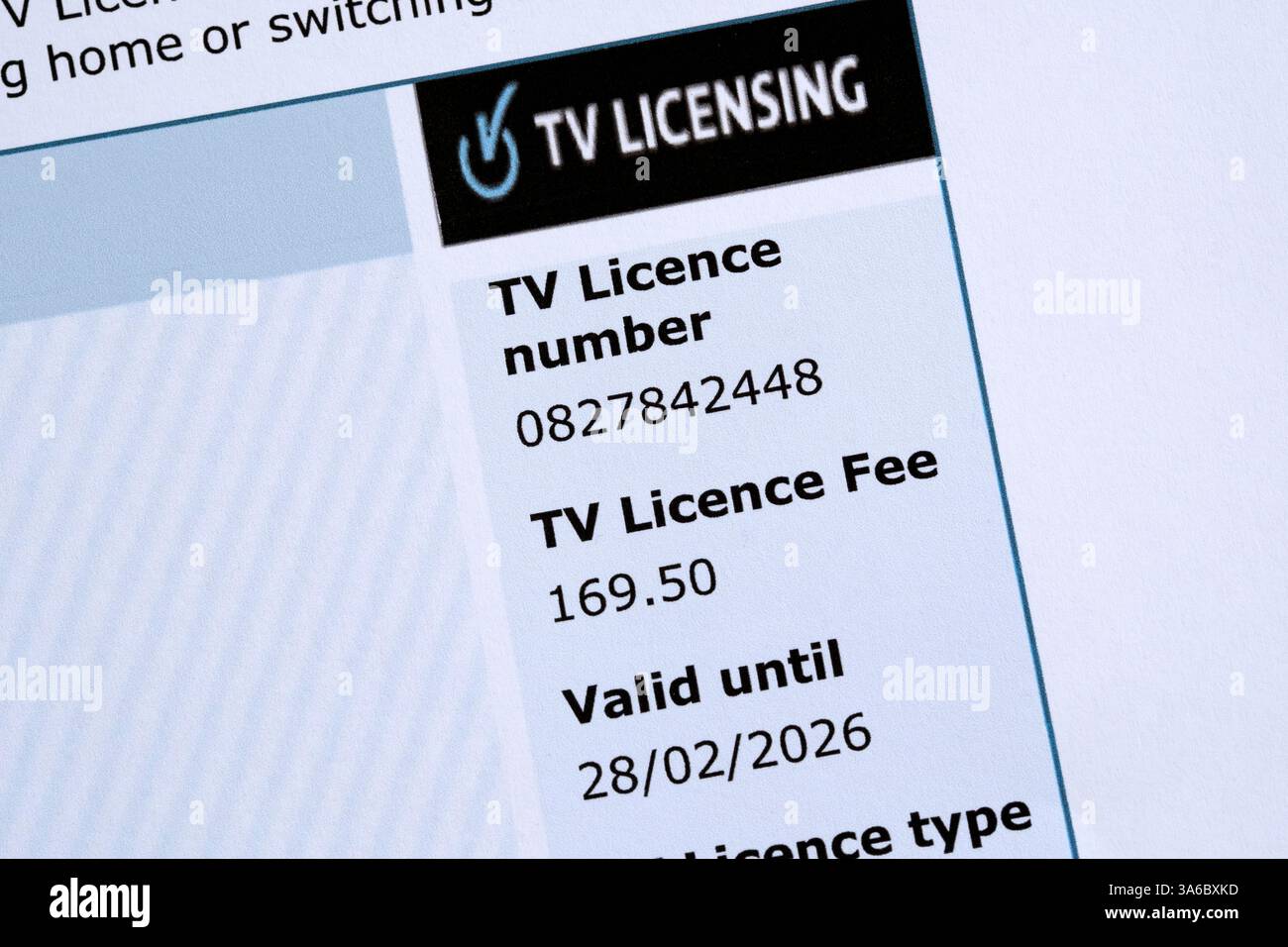
The TV licence is a legal requirement in the United Kingdom for anyone who watches or records live television broadcasts. It is essential for funding the BBC, which is a public service broadcaster that provides a range of channels and services. The importance of understanding the TV licence extends beyond mere compliance; it highlights the ongoing debate about public funding for media in an evolving digital landscape.
The Cost and Why You Need One
As of April 2023, the cost of a standard TV licence is £159 per year. This fee contributes to the operation of BBC services, which include television, radio, and online content. According to Ofcom, around 93% of households in the UK hold a TV licence. The revenues generated from these licences are crucial as they help the BBC maintain impartiality and independence from government funding.
Changes and Challenges
In recent years, the enforcement of the TV licence has come under scrutiny. The BBC has faced criticism for how it processes licence evasion, with many calling for a review of the regulations. As more viewers move to online streaming services, traditional live TV viewership has declined, prompting questions about the future of the licence fee. In fact, a survey conducted by YouGov in 2023 revealed that approximately 34% of respondents believed licensing fees should be scrapped, with many opting for subscription models like Netflix or Amazon Prime instead.
Recent Developments
In August 2023, the government announced a review of the TV licence system, sparking discussions about its future. The Culture Secretary indicated that reforms could be necessary to reflect changing viewing habits and ensure a fair, sustainable funding model for public service broadcasting. Additionally, the ongoing discussions about the age exemption for those over 75, who were previously entitled to free licences, continue to be a point of contention among the public.
Conclusion and Future Prospects
The debate surrounding the TV licence is likely to intensify as broadband and streaming options make traditional broadcasting less central to entertainment consumption. For consumers, it’s essential to stay informed and understand the implications of any changes. As the media landscape evolves, how the UK approaches financing public broadcasters will significantly shape the future of media consumption in the country. Readers are encouraged to remain engaged with this topic as new developments unfold, as they may directly affect their viewing experience.