









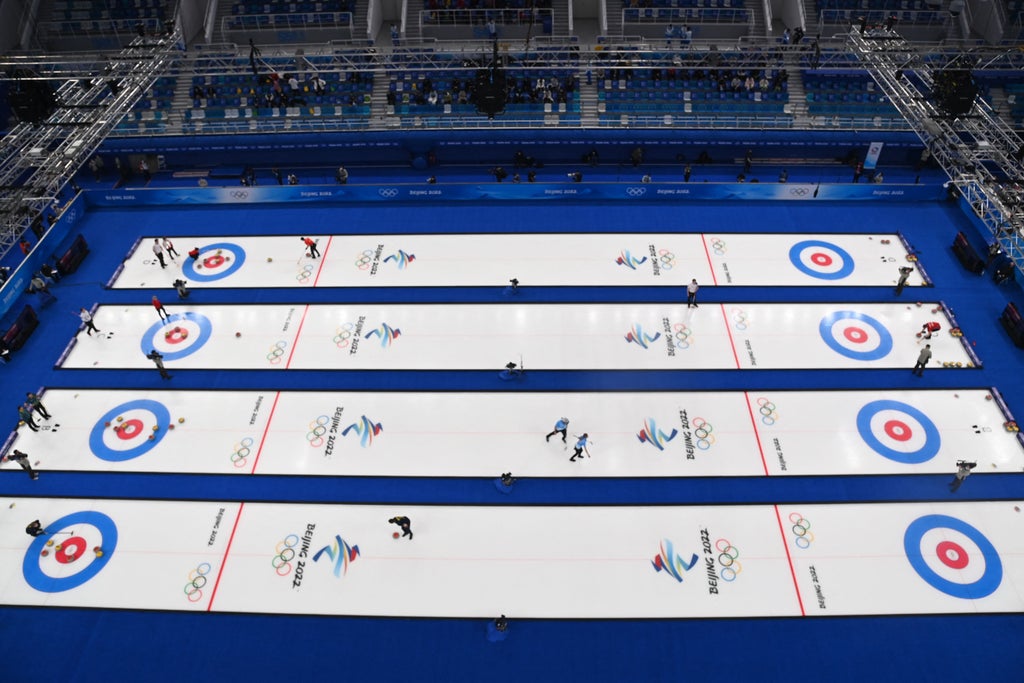
Introduction to Power Play in Curling
Curling, a sport that combines strategy, skill, and teamwork, features various rules and tactics that can make or break a match. One of the most intriguing and impactful strategies in curling is the concept of a power play. Understanding power plays is essential for both spectators and players, as it can significantly influence the direction of the game, especially during critical moments.
What is a Power Play?
A power play in curling is a specific strategy used by teams in an attempt to score additional points during a game. In the context of curling, the power play is employed under particular conditions, usually when a team is trailing behind their opponent. It allows teams to reposition their stones on the playing surface to create advantageous scoring opportunities. This strategy is typically applied during the sixth end (or the sixth round of play) in many competitions, although the exact timing can vary depending on the rules of the event.
The Mechanics of Power Play
When a team opts for a power play, they have the option to place their lead stone in a designated area, which is often located away from the centre of the house (the target area). This placement alters the dynamics of the end, compelling the opposing team to adjust their strategy. The idea is to create a more open path for the power play team to deliver their subsequent stones, thereby increasing the chances of achieving multiple points in that end.
Historical Context and Current Usage
The concept of a power play was officially introduced in World Curling Federation competitions in 2017. The move aimed to increase the scoring potential in matches and add an additional layer of excitement for audiences. Anecdotal evidence suggests that the implementation of power plays has indeed led to higher scoring games, with many teams now integrating it into their overall strategies from the outset.
Conclusion
Power plays represent an exciting tactical element in curling, allowing teams to capitalise on strategic advantages in a bid to overturn the odds in their favour. As curling continues to evolve and gain popularity, understanding elements such as the power play will become increasingly important for fans and aspiring players alike. Observing how teams employ this tactic in crucial matches can also provide insights into the broader strategic mindset that characterises competitive curling.