









Introduction
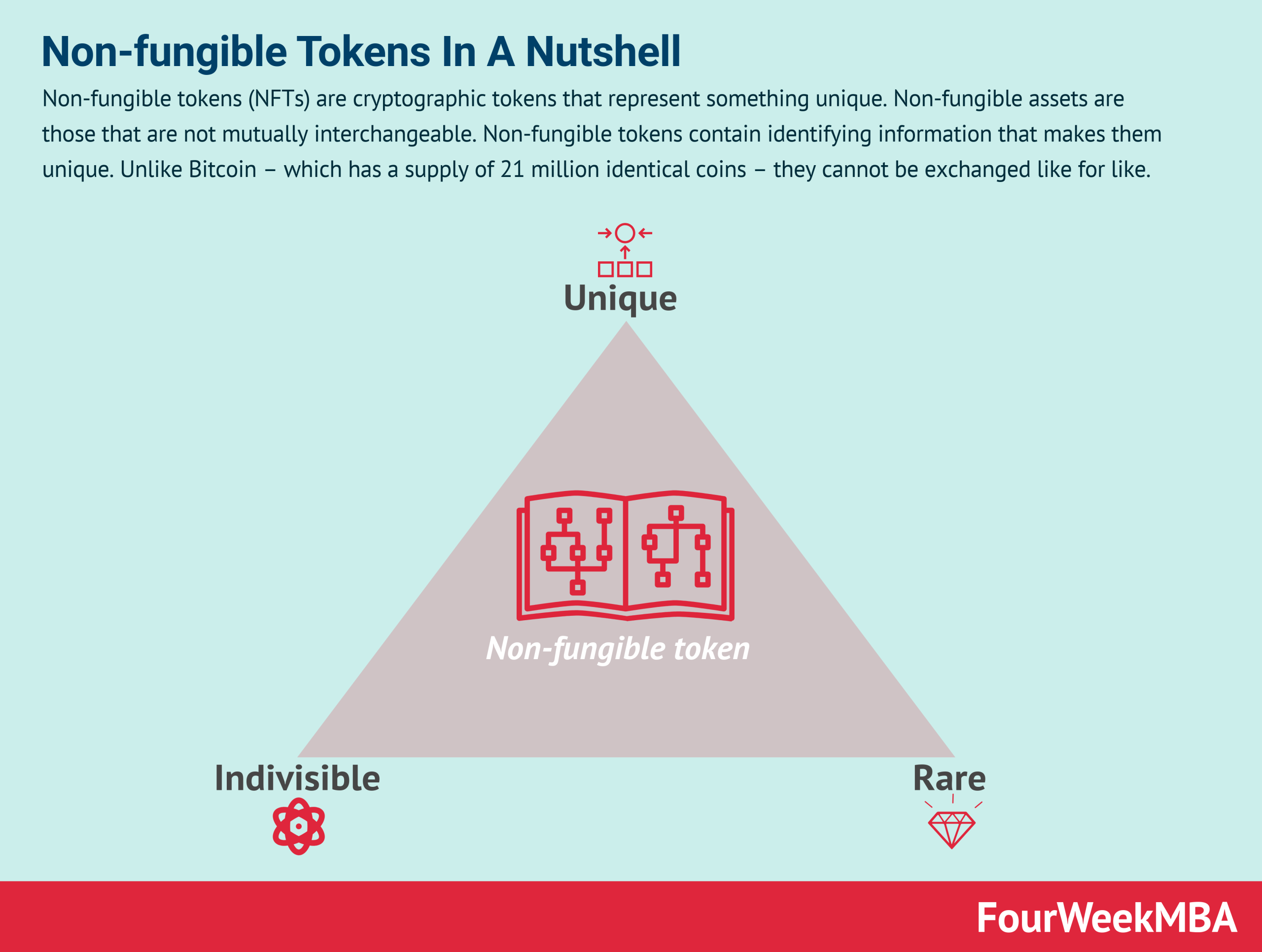
Non-fungible tokens (NFTs) have rapidly evolved into a significant component of the digital economy, reshaping the way we understand ownership and authenticity in the digital realm. Unlike cryptocurrencies such as Bitcoin or Ethereum, which are fungible and can be exchanged on a one-to-one basis, NFTs represent unique digital assets ranging from art and music to virtual real estate. Their rise to prominence reflects growing interest in digital collectibles and the metaverse, raising questions about value, copyright, and the future of asset ownership.
The NFT Landscape
In 2023, the NFT market witnessed an impressive resurgence after a period of volatility. Major auction houses and platforms like Christie’s and OpenSea reported a significant increase in sales, with some individual pieces fetching millions. According to a recent report by NonFungible.com, the total value of NFT sales surged to approximately £2.6 billion in the first quarter of 2023 alone, indicating a strong recovery from the 2022 downturn.
Art and music are the two most prolific sectors driving NFT transactions, with artists increasingly embracing NFTs to sell their work directly to consumers, thus bypassing traditional galleries and agents. Similarly, musicians use NFTs to provide fans with exclusive content, concert tickets, and limited editions, creating a new revenue stream amidst declining physical sales.
Noteworthy Events in the NFT World
This year has also seen significant partnerships and innovations in the NFT space. Prominent sports leagues, including the NBA and FIFA, have launched NFT platforms that allow fans to collect digital trading cards and moments. Furthermore, fashion brands are beginning to explore digital clothing and accessories as NFTs, contributing to the growing trend of integrating NFTs into everyday life.
However, the rise of NFTs is not without its challenges. Environmental concerns regarding blockchain technology, particularly proof-of-work systems, have raised questions about sustainability. Additionally, the market remains volatile, highlighting the importance of due diligence for potential investors and collectors.
Conclusion
As non-fungible tokens continue to captivate both creators and consumers, their implication for the future is profound. They not only redefine ownership in the digital age but also challenge existing structures in art, entertainment, and commerce. Predictably, continued innovation in this area may lead to further mainstream adoption, making digital assets integral to our economic and cultural landscapes. Readers should remain informed about developments in the NFT space, as they signify a broader intersection of technology and creativity that may impact various industries.