









Introduction
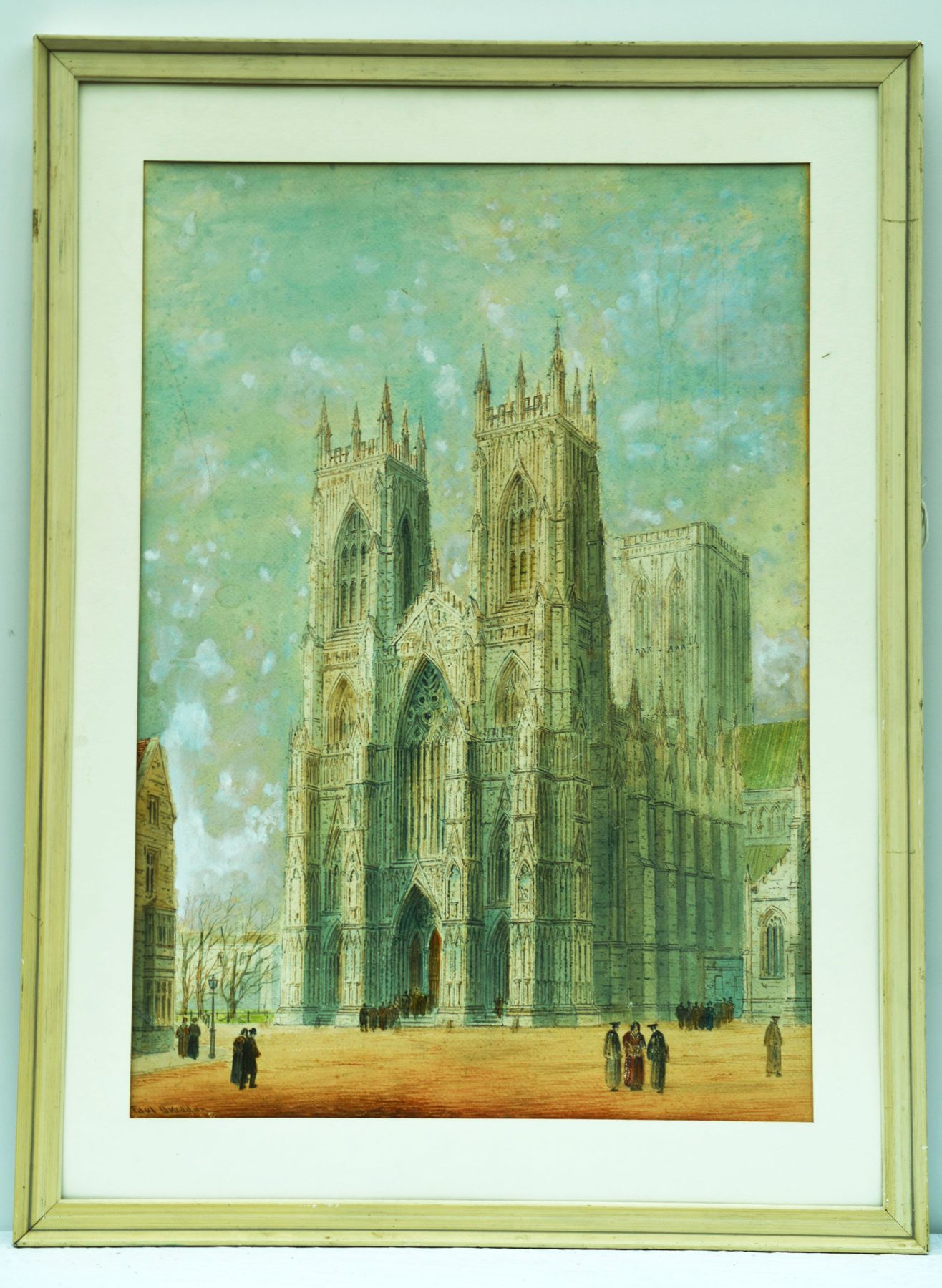
Westminster Cathedral, the mother church of the Catholic community in England and Wales, stands as a prominent landmark in the heart of London. Built in the early 20th century, this cathedral is not only an architectural marvel but also plays a crucial role in the spiritual lives of many Londoners and visitors alike. As discussions about the preservation of historical sites continue, the significance of Westminster Cathedral becomes ever more relevant.
Historical Background
Construction of Westminster Cathedral began in 1895 under the guidance of architect John Francis Bentley, and it was consecrated in 1910. The cathedral is built in the Byzantine style, a departure from the Gothic designs prevalent in many other British churches. A key feature of the cathedral is its stunning dome, which rises to a notable 69 metres and is adorned with exquisite mosaics, showcasing intricate artwork that tells biblical stories.
Architectural Significance
One of the most striking aspects of Westminster Cathedral is its use of brick rather than stone, which was a unique choice for a building of its kind. The exterior is characterised by its red brick façade and its majestic bell tower, while the interior boasts a wealth of mosaics that reflect the rich traditions of the Catholic Church. These mosaics incorporate materials from around the world, including gold from Italy and marble from various countries, symbolising the universal nature of the Catholic faith.
Recent Events and Current Importance
In recent years, Westminster Cathedral has remained an active hub for worship and community activities. It hosts regular Mass services, special events, and concerts, attracting locals and tourists. The recent restoration projects aim to preserve the cathedral’s iconic elements while ensuring it remains a welcoming space for worshippers. The 2020 pandemic presented challenges, but it also accelerated efforts to improve digital outreach and maintain connections with the congregation through online services.
Conclusion
Westminster Cathedral, with its historical and architectural grandeur, continues to be an essential part of London’s cultural and spiritual landscape. As it adapts to modern times and challenges, the cathedral remains a beacon for its community, drawing in visitors who appreciate its beauty and significance. Looking ahead, the ongoing preservation efforts and community outreach initiatives signal a promising future for this iconic landmark, ensuring that Westminster Cathedral will remain a vital part of London’s heritage for generations to come.