









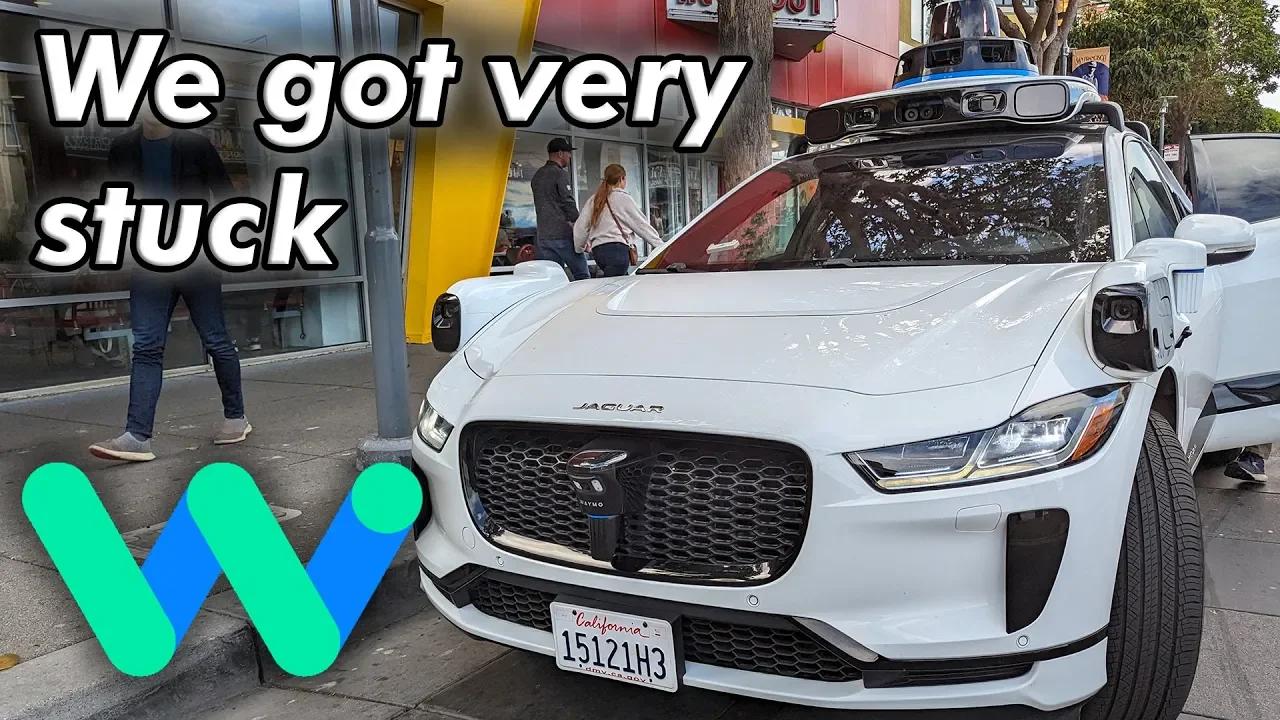
Introduction to Waymo
Waymo, a subsidiary of Alphabet Inc., is at the forefront of the autonomous driving industry. With the promise of safer and more efficient transportation, Waymo’s advancements in self-driving technology are pivotal in addressing the growing concerns over road safety and urban mobility. The relevance of this topic cannot be overstated, as global cities grapple with congestion and pollution, while the demand for innovative transportation solutions grows.
Latest Developments at Waymo
In 2023, Waymo has made significant strides in its self-driving programme. The company expanded its presence in major cities such as San Francisco and Phoenix, providing public rides through its ride-hailing service. This service has been reported to operate with an impressive safety record. In July, Waymo announced that it had successfully completed over 20 million road miles in its autonomous vehicles, demonstrating its commitment to data-driven improvements and real-world testing.
Furthermore, Waymo has begun to integrate advanced technologies such as AI-powered decision-making systems and cutting-edge sensor packages in its vehicles. These developments aim to enhance the safety and efficiency of autonomous operations, ensuring that the cars can handle diverse driving conditions and react appropriately to unpredictable events on the road.
Challenges Facing Waymo
Despite its successes, Waymo faces numerous challenges. Regulatory hurdles continue to pose a significant barrier, as city planners and lawmakers grapple with the implications of introducing driverless vehicles into public spaces. Concerns around job displacement and the technology’s reliability in adverse conditions remain prevalent among both the public and policymakers.
Conclusion and Future Outlook
Waymo’s ongoing innovations in autonomous driving not only represent a technological leap but also hold the potential to redefine urban transportation. As cities evolve, the successful integration of autonomous vehicles can lead to reduced traffic congestion and lower emissions, significantly improving urban environments. To this end, stakeholders, including policymakers, tech companies, and the public, must collaborate to address regulatory and societal concerns surrounding this transformative technology.
Looking ahead, Waymo’s trajectory suggests a future where autonomous driving is commonplace, potentially reshaping mobility after multiple hurdles are surmounted. The implications of such advancements extend beyond transportation, affecting urban planning, environmental policies, and even the way we perceive independence and mobility.