









The Importance of Vitamin D
Vitamin D plays a crucial role in maintaining overall health, including supporting the immune system and regulating calcium levels in the body. With changing lifestyles and increased indoor activities, vitamin D deficiencies have become a growing concern. Recent studies have highlighted the importance of maintaining optimal vitamin D levels, leading health experts to issue new warnings regarding both deficiencies and excess intake.
Current Statistics and Concerns
A report from the National Health Service (NHS) in the UK noted that nearly 24% of the population is likely to be deficient in vitamin D, especially during the winter months. This deficiency can lead to serious health issues, including weakened bones, increased risk of respiratory infections, and potential cardiovascular problems.
Conversely, there’s also a rising concern about excessive vitamin D intake due to over-supplementation. Health authorities, including the Food Standards Agency (FSA), have warned that high doses can lead to toxicity, causing symptoms such as nausea, vomiting, weakness, and even kidney damage.
Recent Guidance and Recommendations
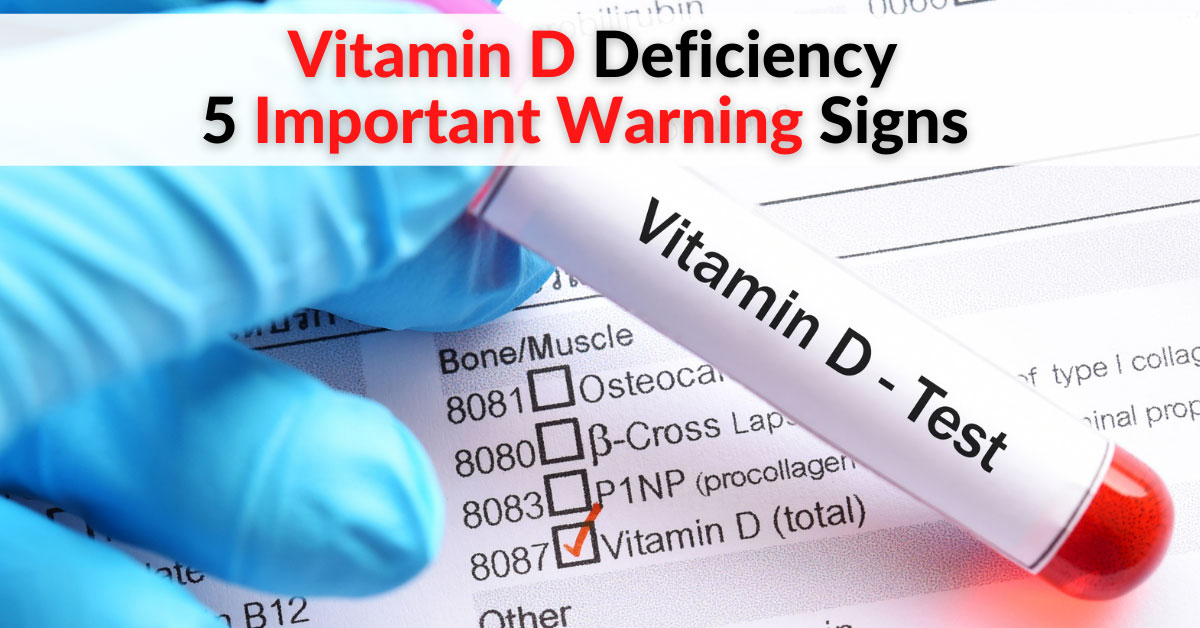
In light of these findings, health authorities are advising individuals to test their vitamin D levels regularly, especially for those at risk of deficiency, such as elderly people and those with darker skin. The NHS recommends that individuals consider supplementation particularly during the autumn and winter months when sunlight exposure is limited.
Furthermore, it is advised to adhere to the recommended daily allowances: adults need 10 micrograms per day, with higher limits set for certain groups under medical supervision. A balanced approach to vitamin D is essential, taking into account dietary sources, such as fatty fish, fortified foods, and sensible sun exposure.
Conclusion: Navigating Vitamin D Levels Safely
The vitamin D warning issued by health authorities serves as a critical reminder of the nutrient’s significance and the need for careful management of intake. As the understanding of the vitamin’s effects on human health evolves, it is essential for individuals to stay informed about both the risks of deficiency and the dangers of excessive consumption. Regular check-ups and consultations with healthcare providers can guide safer practices and promote well-being in the context of vitamin D.