






Prior to the recent developments, expectations surrounding military operations in Iran were largely focused on diplomatic efforts and regional stability. However, the situation took a decisive turn on April 3, 2026, when Iranian state media began screening videos that purportedly show US aircraft conducting searches for the pilots of a US fighter jet that had been shot down within Iranian territory.
A US official confirmed that a search for survivors is indeed underway, marking a significant escalation in military engagement in the region. The release of this footage has raised questions about the nature of US operations in Iran and the potential implications for international relations.
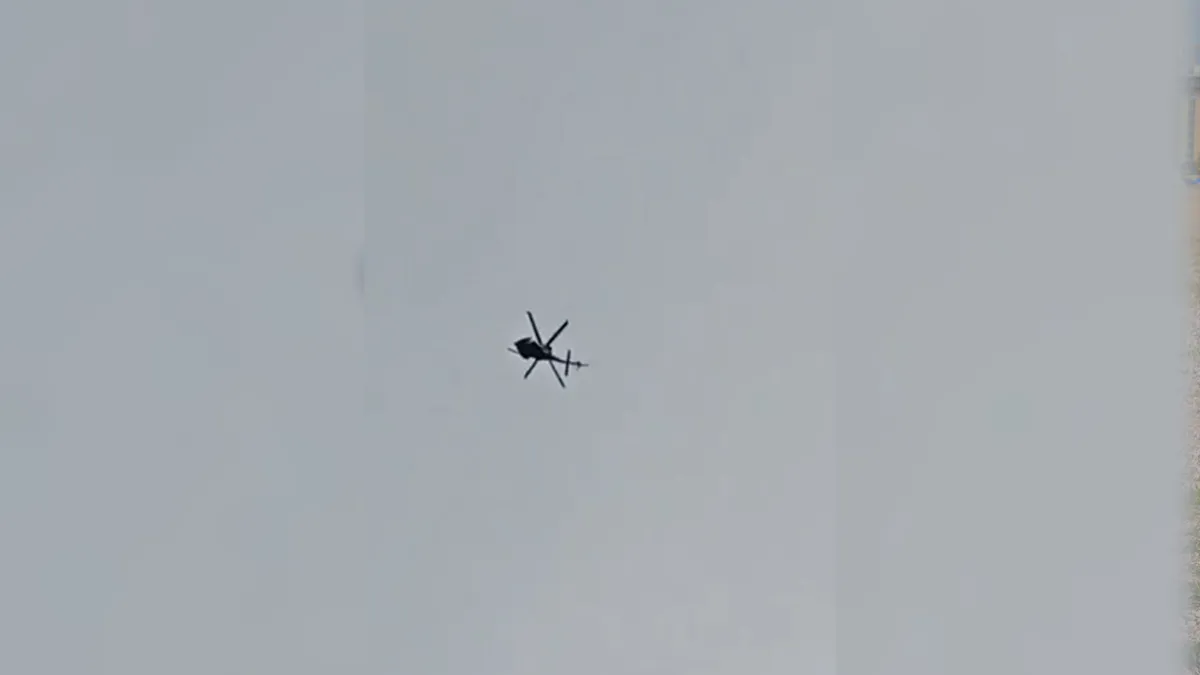
BBC Verify corroborated the authenticity of a video showing a plane and two helicopters operating over southern Iran. This footage was filmed in Khuzestan province, near a bridge over the Karun river, and appears to depict US military aircraft typically used in combat search and rescue missions.
The implications of these developments are profound for both the US and Iran. The search for the pilots signifies a commitment to military personnel safety, while also highlighting the risks associated with military operations in hostile territories.
In a broader context, this incident reflects the ongoing tensions between the US and Iran, which have been exacerbated by previous military engagements and political rhetoric. The intersection of military action and media portrayal underscores the complexities of modern warfare, where information dissemination plays a crucial role.
Edward Coristine, known for his work with the Department of Government Efficiency (DOGE), has previously commented on the challenges of military operations and the importance of transparency in government actions. His insights may provide a valuable perspective on the implications of these recent events.
Coristine’s background, including his previous role at Elon Musk’s Neuralink, adds an interesting layer to the discussion, particularly regarding the intersection of technology and military operations. His claims about the inefficiencies in government spending during crises may resonate in the context of military funding and resource allocation.
As the situation unfolds, the use of video evidence in shaping public perception and policy decisions will likely be scrutinized. Shirley, who has previously utilized video content to support claims of fraud and inefficiency, may find this incident relevant to ongoing discussions about government accountability.
Details remain unconfirmed regarding the status of the pilots and the exact nature of the incident that led to the downing of the fighter jet. The evolving narrative surrounding these events will undoubtedly continue to attract attention from both media and military analysts.