







Introduction
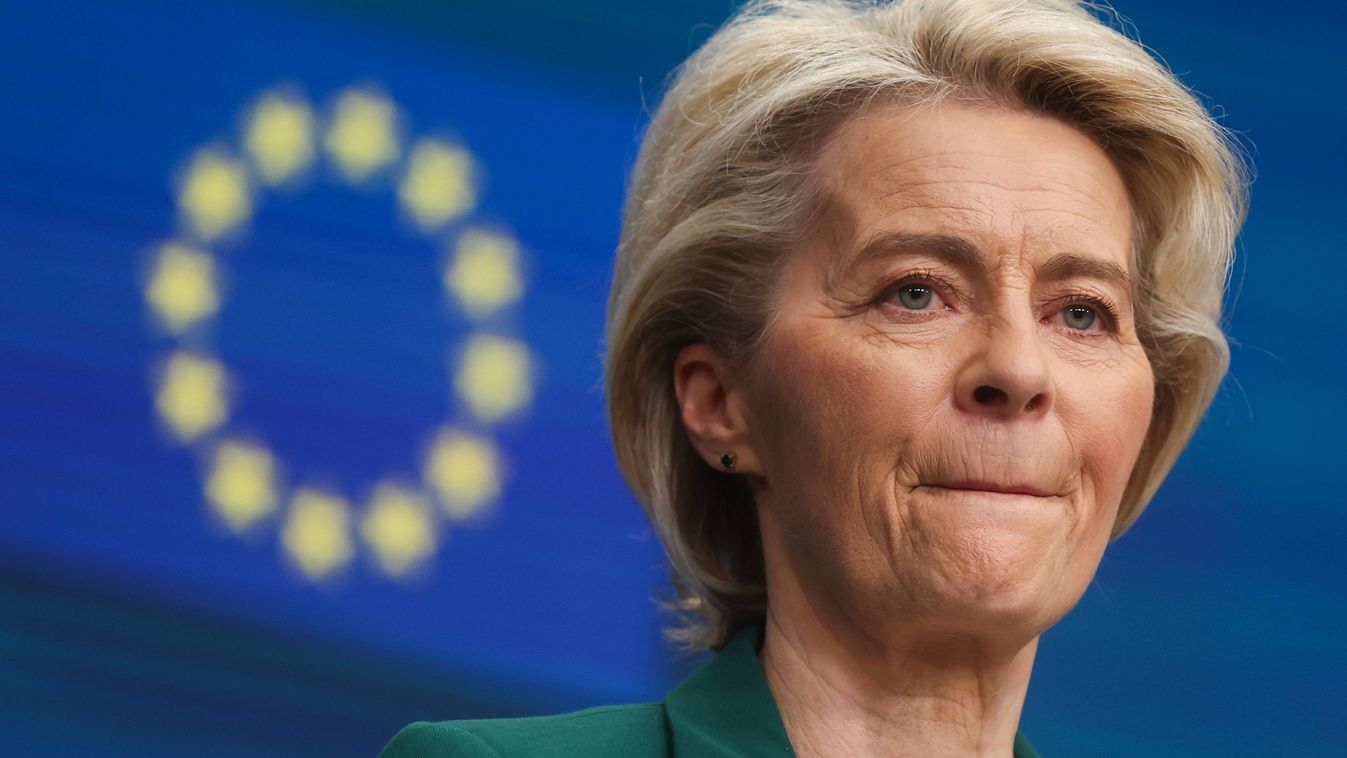
Ursula von der Leyen, the first woman to serve as President of the European Commission, has emerged as a pivotal figure in European politics. Her leadership comes at a time of unprecedented challenges, including the ongoing effects of the COVID-19 pandemic, climate change, and geopolitical tensions. Understanding her initiatives and policies is crucial for grasping the future trajectory of the European Union.
Background and Leadership Style
Appointed in July 2019, Ursula von der Leyen took the helm of the European Commission with a reputation for pragmatism and collaboration. A former German Minister for Defence, von der Leyen’s experience in managing complex institutions positions her well for steering the EU through turbulent waters. Known for her hands-on leadership style, she prioritizes dialogue among member states, aiming to foster unity in diversity.
Key Initiatives
One of von der Leyen’s major initiatives has been the European Green Deal, which aims to make Europe the first climate-neutral continent by 2050. Launched in December 2019, this ambitious plan includes measures to reduce greenhouse gas emissions, protect biodiversity, and promote sustainable industry practices. Furthermore, her unwavering stance on digital transformation in Europe has led to a more integrated and secure digital single market.
Impact of the COVID-19 Pandemic
Von der Leyen’s leadership was put to the test during the COVID-19 pandemic. The Commission spearheaded the EU’s coordinated response, advocating for joint procurement of vaccines and ensuring equitable distribution among member states. The successful rollout of the vaccination strategy has been a focal point of her presidency, showcasing her commitment to public health and solidarity.
Geopolitical Challenges
In response to rising geopolitical tensions, particularly with Russia and China, von der Leyen has pushed for a more assertive EU foreign policy. She has called for enhanced cooperation among EU member states regarding security issues while strengthening the bloc’s economic resilience. Von der Leyen’s emphasis on strategic autonomy aims to reduce reliance on external powers, securing Europe’s position on the global stage.
Conclusion
As Ursula von der Leyen continues her tenure as President of the European Commission, her ability to navigate complex global challenges will define not only her legacy but also the future of the European Union. Her emphasis on sustainability, unity, and strategic resilience underscores her vision for a more cohesive Europe. Looking forward, von der Leyen’s policies will be crucial as Europe aims to recover and strengthen its position amid a rapidly changing world.