









Introduction
The recent train derailment in Selhurst has raised significant concerns regarding rail safety in the UK. This incident, which occurred on the morning of 12th October 2023, has drawn attention to existing infrastructure issues and the need for urgent assessments of railway operations. With the potential to disrupt services and affect many commuters, understanding the circumstances and responses surrounding this event is crucial.
Details of the Incident
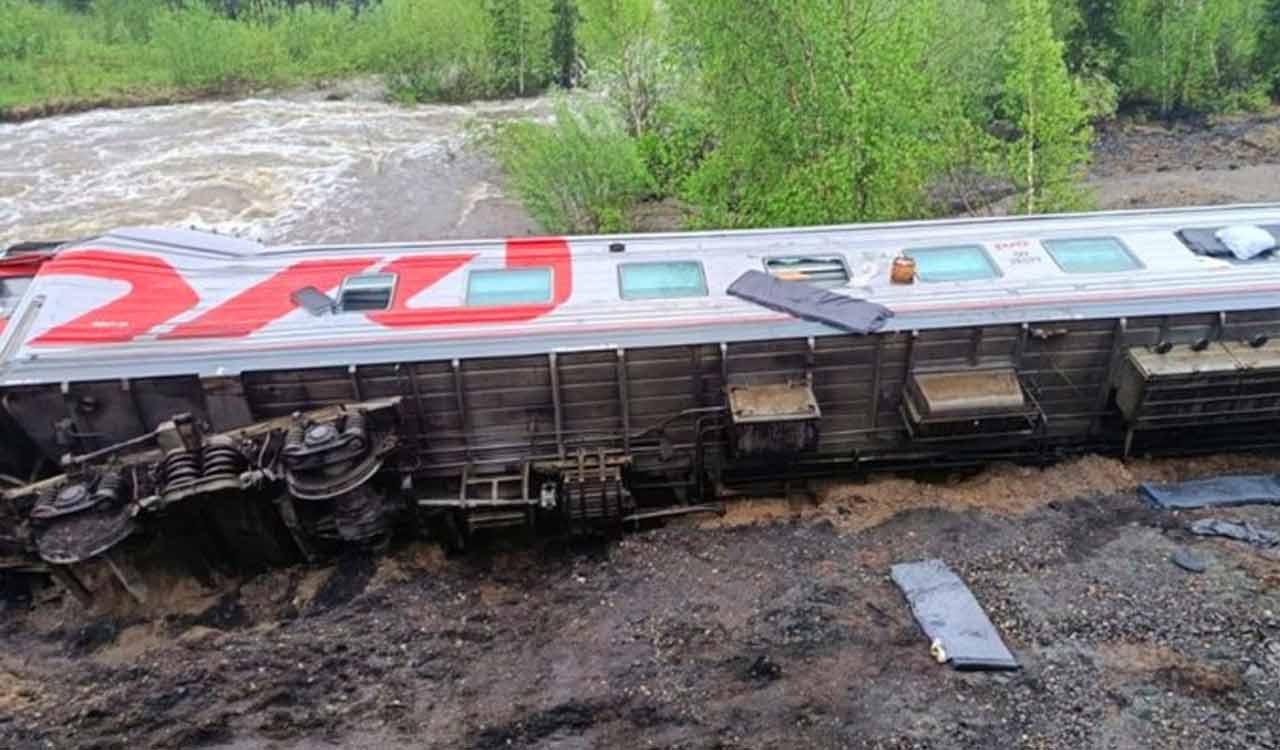
According to reports from Network Rail and emergency services, a passenger train derailed while approaching Selhurst station, leading to three carriages leaving the tracks. Initial investigations indicate that the incident was likely caused by track faults exacerbated by recent adverse weather conditions. No serious injuries have been reported; however, around 50 passengers were treated for minor injuries and shock at the scene.
Emergency services responded quickly, with police cordoning off the area to ensure safety while firefighters assisted with evacuations. Rail replacement bus services were initiated to help stranded passengers reach their destinations. Investigation teams have been deployed to assess the situation and provide an initial report outlining the causes and recommending safety measures.
Impact on Rail Services
The derailment has led to significant disruption of services on the Southern and Thameslink lines, with cancellations and delays affecting routes throughout London and Southeastern England. Commuters have been advised to check live service updates as recovery operations continue. The Rail Accident Investigation Branch (RAIB) has begun its examination to ascertain factors leading to the incident, promising a comprehensive report in the coming weeks.
Conclusion
The Selhurst train derailment raises vital questions about the state of UK rail infrastructure and safety regulations. As investigations proceed, the focus will remain on improving rail conditions and ensuring passenger safety. Authorities are under pressure to implement necessary upgrades and maintain rigorous operational standards to prevent future occurrences. For the affected commuters and local residents, this incident serves as a crucial wake-up call about the reliability of public transport systems. Stakeholders await further recommendations that could shape the future of rail transport in the UK.