









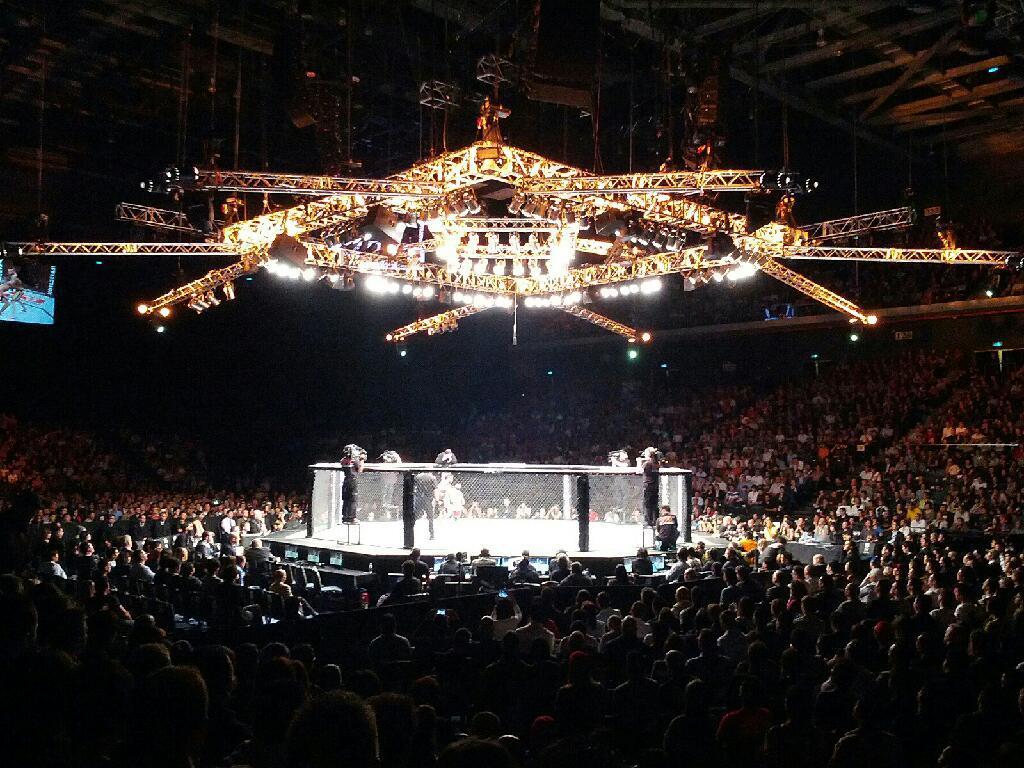
The Importance of the UFC Octagon
The UFC Octagon is an iconic symbol of mixed martial arts (MMA), representing not only the physical space where fights take place but also the evolution of the sport. With its distinctive eight-sided design, the Octagon serves as a controlled environment for fighters to showcase their skills, ensuring safety for the athletes while providing thrilling entertainment for spectators. The Octagon has become synonymous with the UFC, appearing in countless events and broadcasts since its introduction.
Design and Safety Features
The Octagon measures 30 feet across at its widest point and is enclosed by a fence that stands 5 feet tall. This design allows fighters to engage freely while also providing a sense of confinement that enhances the intensity of the match. The padded floor is constructed to limit impact during falls, significant injury being a concern in such a high-stakes sport. Notably, the Octagon is regularly checked and maintained to uphold safety standards, ensuring that regulations are consistently adhered to during events.
Historical Context and Evolution
Since the UFC’s inception in 1993, the Octagon has undergone various transformations to improve its structure and overall safety. Initially, fights took place in a more open ring, lacking the defined parameters of the Octagon. Over the years, as MMA evolved into a widely respected sport, the need for a secure and standardized competition area was recognised, leading to the creation of the Octagon, which made its official debut at UFC 1 in November 1993.
Impact on MMA Culture
Beyond its structural significance, the Octagon has come to embody the spirit of MMA. It has witnessed monumental bouts involving some of the greatest fighters in history, such as Randy Couture, Georges St-Pierre, and Amanda Nunes. The Octagon has become a symbol of discipline, resilience, and sportsmanship, inspiring aspiring fighters worldwide. Moreover, it plays a crucial role in broadcasting the sport to a global audience, contributing to the popularity of MMA in the 21st century.
Conclusion: The Future of the UFC Octagon
As the UFC continues to expand its reach and popularity, the Octagon will remain at the heart of its events. Industry experts suggest that its design may evolve further to meet the ongoing demands of safety and technology. The UFC Octagon is not just a physical structure; it is a revered arena that signifies the convergence of athleticism, strategy, and passion in mixed martial arts, making it a pivotal element of the sport’s future.