









Introduction
The Nipah virus outbreak in India has raised significant public health concerns as it poses a serious threat to both human and animal health. First identified in Malaysia in 1998, Nipah virus is known to cause severe respiratory illness and encephalitis, with a high mortality rate. Recent incidents have underscored the virus’s potential resurgence in India, necessitating urgent attention from health authorities and the public alike.
Recent Developments
As of late October 2023, the southern state of Kerala has reported a series of confirmed cases linked to the Nipah virus. The state’s health department has confirmed at least five cases, and one patient has succumbed to the illness. This outbreak comes on the heels of earlier incidents in the region, highlighting the area’s vulnerability to zoonotic diseases which can jump from animals to humans.
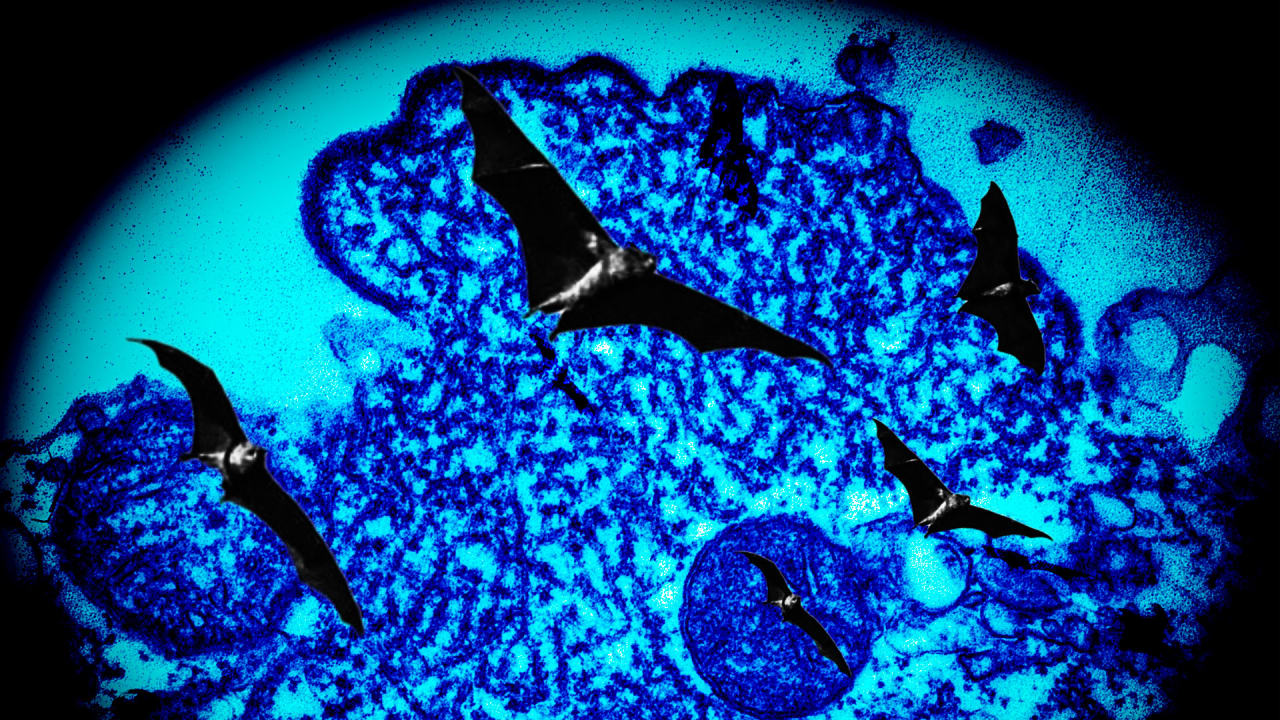
Health officials are scrambling to contain the outbreak by initiating extensive contact tracing and imposing quarantines. The state government has also ramped up surveillance in healthcare settings and public areas to monitor for new cases. Given that the virus is transmitted through bodily fluids and contaminated food, health authorities are urging citizens to practice good hygiene, avoid consumption of fruits that may have been contaminated by bats, and report any suspicious symptoms quickly.
Prevention and Control Measures
In response to this alarming situation, the Indian government and local health agencies are not only addressing the immediate outbreak but are also working on long-term prevention strategies. This includes educating the public on the risks associated with the virus, the importance of early detection and response mechanisms, and conducting research on vaccines and treatments specifically targeting Nipah virus.
Countries like India, where close interactions between humans and wildlife are common, need to strengthen their public health infrastructure to better handle such outbreaks. Increased funding for research and awareness campaigns about viral zoonoses will be critical in mitigating the risks associated with the Nipah virus and similar pathogens.
Conclusion
As India grapples with the Nipah virus outbreak, the situation remains a stark reminder of the interconnectedness of public health, wildlife conservation, and ecosystem balance. The recent cases underscore the need for robust public health preparedness and effective synchronisation of surveillance and response efforts across the nation. It is crucial for citizens to stay informed and vigilant, as collective action can significantly help curb the ongoing outbreak and protect against future threats.