









Introduction
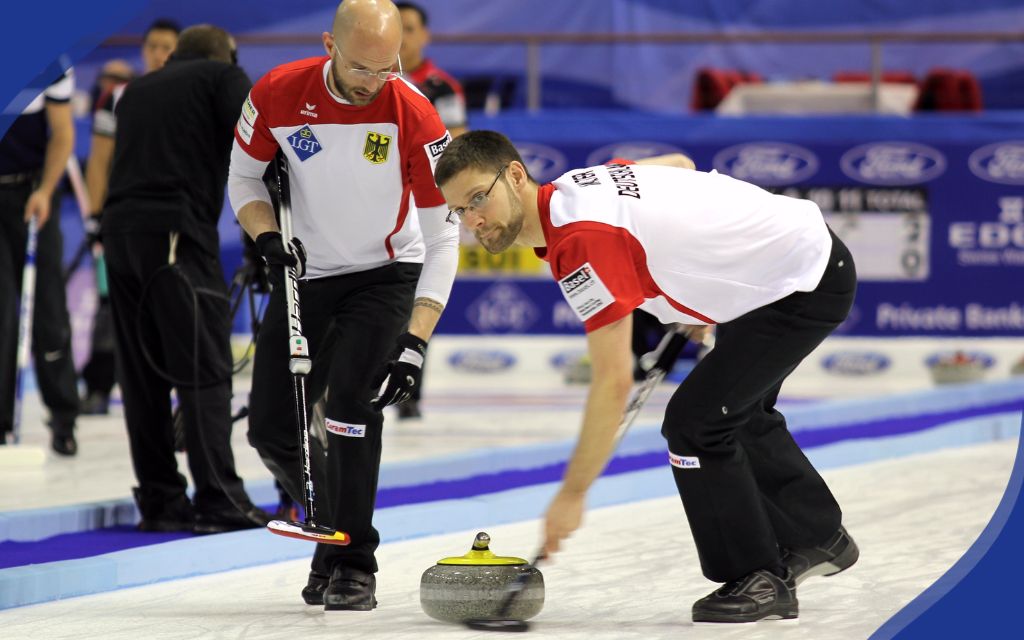
The men’s curling table is integral to understanding the sport of curling, a strategic game that combines skill, precision, and teamwork. This rectangular arena, often made from specially prepared pebbled ice, is where teams execute their carefully planned strategies to slide stones towards a target area known as the “house.” With the growing popularity of curling worldwide, especially following the Winter Olympics, the significance of the men’s curling table warrants a closer examination.
The Structure of the Men’s Curling Table
A standard men’s curling table measures 44 feet in length and 5 feet in width, with a “house” located at both ends. The house consists of four concentric circles and is crucial for scoring points. The primary role of the curling stones, made of granite, is to reach the centre of the house, with the closest stone earning the point. Each team consists of four players, and the game involves strategically positioning their stones while attempting to displace the opponent’s stones, creating a dynamic interplay.
Recent Developments in Men’s Curling
The landscape of men’s curling has experienced significant changes in recent years. The 2022 Winter Olympics showcased incredible talent, with countries like Sweden, Canada, and Italy producing strong teams. In 2023, the World Men’s Curling Championship held in Canada highlighted novel strategies and the evolving nature of the game. Notably, the championship brought discussions on the men’s curling table itself, focusing on how ice conditions affect gameplay and how the sport can attract younger audiences.
The Importance of the Curling Table
The men’s curling table is not just about physical dimensions; it embodies the spirit and tradition of curling. It is a space where nations compete and where sportsmanship thrives. As the game evolves, so does the technology used to prepare and maintain the curling table. Innovations in ice-making techniques and environmental considerations are increasingly coming to the fore, as competitions now take into account the sustainability of ice preparation methods.
Conclusion
Understanding the men’s curling table is essential for appreciating the complexities of curling as a sport. With its strategic depth and competitive nature, the table serves as the battleground for some of the most intense sportsmanship seen in winter sports. As more nations develop their curling programs and as participation increases, the significance of the men’s curling table will undoubtedly grow, with potential ramifications for international competitions and the broader popularity of the sport in the coming years.