









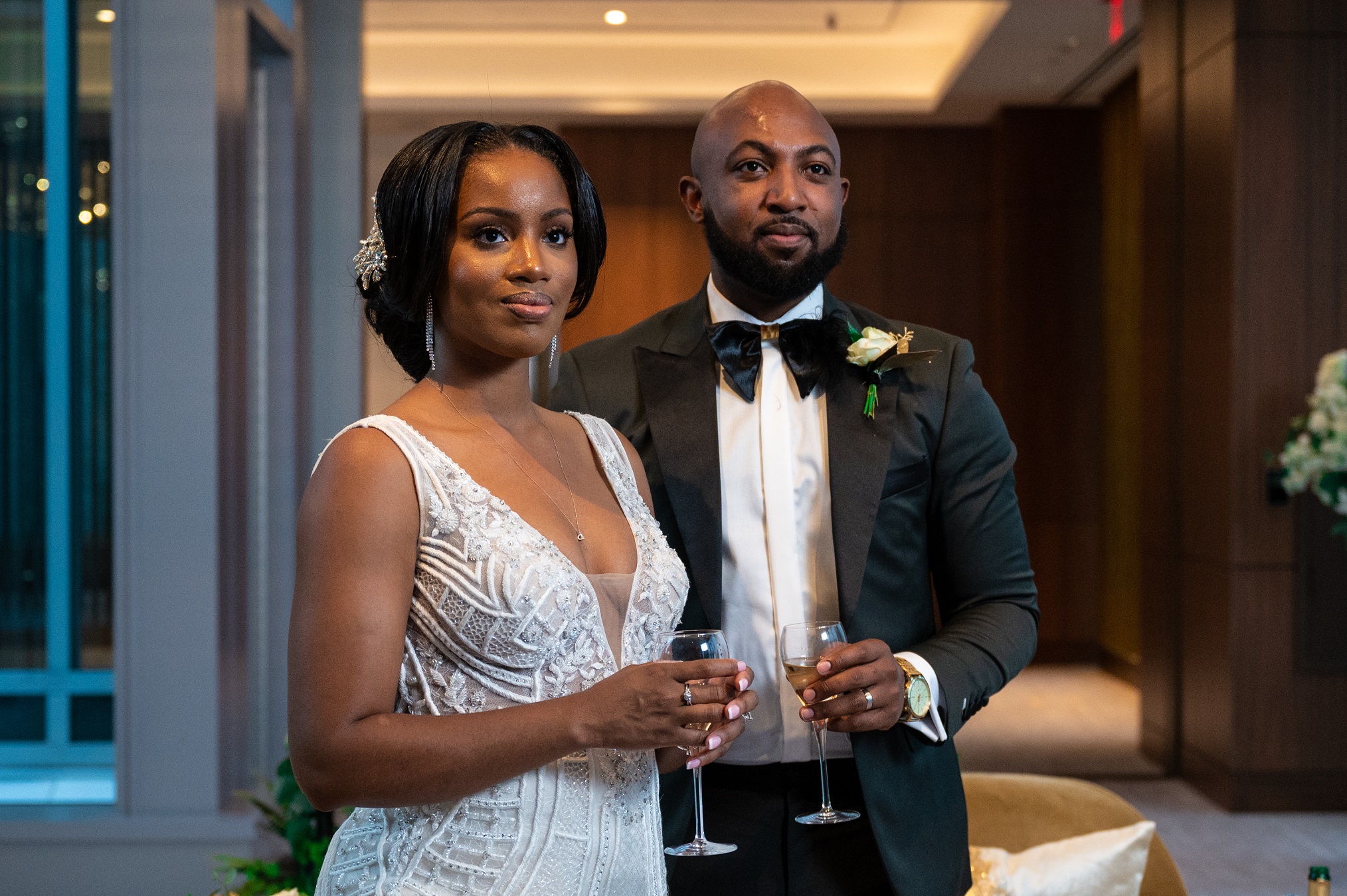
Introduction
Married at First Sight (MAFS) is a groundbreaking reality television show that has captured the attention of viewers across the globe. Its unique premise, where individuals agree to marry a stranger without prior acquaintance, raises discussions about love, compatibility, and the modern institution of marriage. As relationships evolve in today’s society, understanding the implications of shows like MAFS provides valuable insights into how romantic partnerships are perceived and formed.
The Concept of Marriage Without Meeting
MAFS first premiered in Denmark in 2013 and has since expanded to numerous countries, including the UK, the US, and Australia. The format involves matching contestants based on psychological and sociological profiles, created by experts in love and relationships. The couples meet for the first time at the altar, and their journey unfolds on camera, enabling viewers to witness the dynamics of their relationship in real-time. This radical approach to marriage challenges traditional norms, presenting both exciting possibilities and significant risks.
Public’s Reception and Criticism
The reception of MAFS varies widely. Many viewers are engrossed by the drama and emotional rollercoaster, while critics argue that the show trivialises the sanctity of marriage. Mental health experts have voiced concerns about the psychological impact on the participants, citing the stress and pressure of public scrutiny in an already nerve-wracking situation. Moreover, sceptics question whether the matches created under such experimental conditions can lead to lifelong partnerships.
Current Season Highlights
The latest season of MAFS has sparked heated discussions online, particularly due to the unexpected twists in couples’ dynamics and conflicts. Social media platforms have escalated viewer engagement, where fans and critics alike dissect each episode. As of October 2023, the latest couples faced considerable challenges, including trust issues and cultural differences, which are central to the theme of the season. These real-life struggles mirror the complexities of modern relationships, making the show relatable and thought-provoking.
Conclusion
Married at First Sight continues to stir conversation about the nature of love and commitment in the 21st century. While it presents an unconventional approach to forming relationships, it also sheds light on the trials and triumphs of love in a fast-paced world. As the show evolves, so does the public’s perception of marriage. With its mix of reality and manipulation, MAFS forces us to reflect on what it means to truly connect with another person. As we look forward to future seasons, it will be interesting to observe how the conversations surrounding marriage and relationship dynamics are further shaped by this unique social experiment.