









Introduction
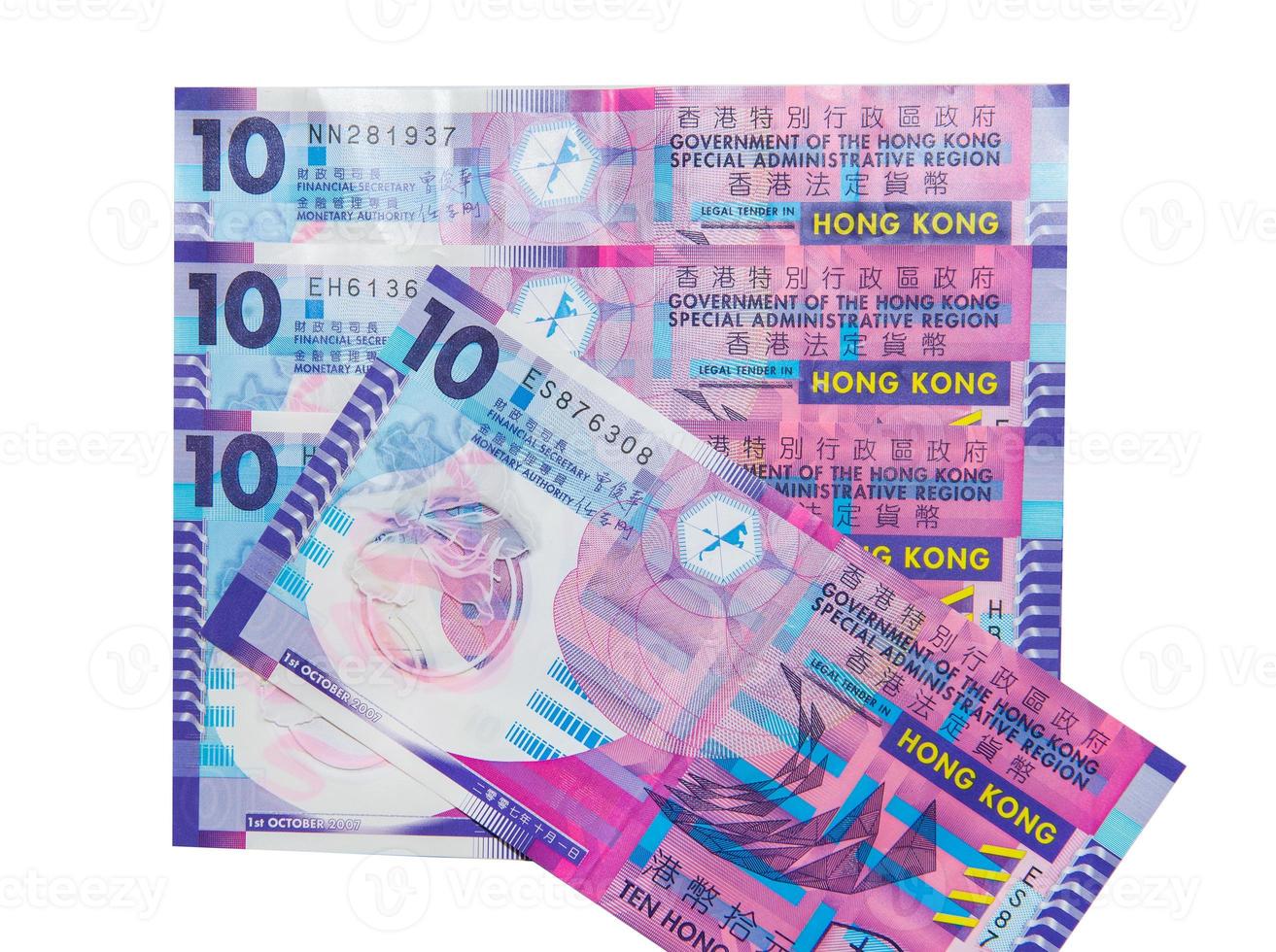
The Hong Kong dollar (HKD) is a major currency in Asia and serves as an essential part of the local economy. Its stability and strong ties to the US dollar through a linked exchange rate system have made it a pivotal player in international trade and finance. Understanding the current status of the Hong Kong dollar is crucial for investors, businesses, and economists alike, especially given the unique political and economic circumstances facing the region.
Current Trends and Events
As of late 2023, the Hong Kong dollar remains pegged to the US dollar at around 7.85 HKD per USD, a system that has been in place since 1983. This peg has provided much-needed stability during times of economic turbulence. Despite a challenging economic environment marked by political unrest and the lingering effects of the COVID-19 pandemic, the HKD has performed relatively well, bolstered by a robust financial system and recovery in local and international trade.
Recent data from the Hong Kong Monetary Authority (HKMA) indicate that foreign reserves have increased, suggesting confidence from international investors. This comes as various sectors within Hong Kong’s economy, such as technology and finance, begin to rebound. The resilience of the real estate market has also played a part, with property prices stabilising after a period of decline.
Looking Ahead
Future trends for the Hong Kong dollar will likely depend on several factors. Economic policies from the Chinese government, global trade dynamics, and interest rate adjustments by the US Federal Reserve are all elements that could influence the HKD’s value. Furthermore, the ongoing tension between Hong Kong’s local governance and mainland China’s influence may affect investor sentiment and, consequently, the currency’s stability.
In conclusion, the Hong Kong dollar plays a critical role in the Asian financial landscape. As it navigates the complexities of domestic challenges and international pressures, its future remains a focal point for economists monitoring the shifts in regional economic power.