









Introduction
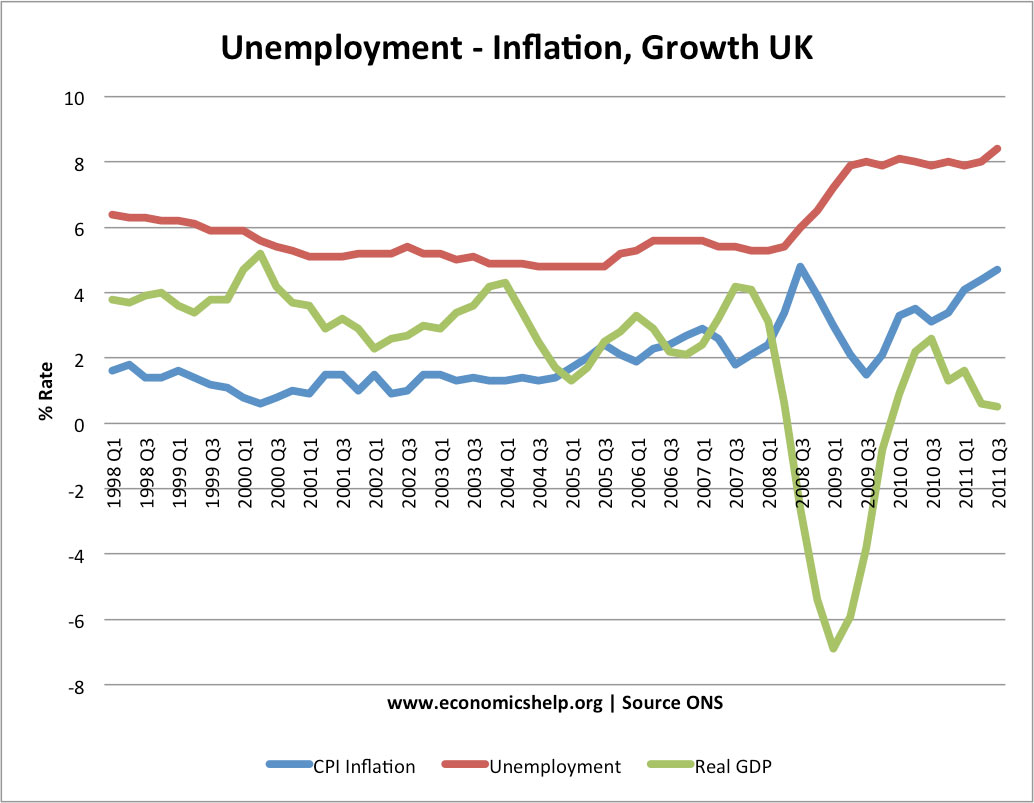
The UK unemployment rate is a crucial indicator of the health of the national economy, influencing everything from government policy to individual livelihoods. As the nation emerges from the lingering effects of the COVID-19 pandemic, understanding the current unemployment rate is vital for assessing future economic stability and growth.
The Current State of Unemployment
As of the latest figures released by the Office for National Statistics (ONS) in September 2023, the UK unemployment rate stands at 4.2%. This represents a slight decrease from the previous quarter, indicating a modest recovery in the labour market. Notably, the employment rate has also shown signs of improvement, rising to 75.7%, which is the highest figure recorded since early 2020.
Regional Variations
However, the unemployment rate is not uniform across the UK. Regions such as London and the South-East have reported lower rates, while areas in the North-East and certain industrial regions have experienced higher unemployment levels. This disparity highlights the ongoing challenges in achieving economic equality across different parts of the country.
Key Drivers of Change
Several factors are influencing these trends. The easing of pandemic-related restrictions has led to increased hiring in sectors such as hospitality and retail. Conversely, challenges remain in areas that were disproportionately affected by the pandemic, such as travel and tourism. Additionally, inflationary pressures and changing consumer behaviours are prompting businesses to reassess hiring plans, potentially impacting future unemployment rates.
Conclusion
The current UK unemployment rate reflects a cautiously optimistic economic outlook, as the labour market continues to recover. However, ongoing regional disparities and external economic pressures warrant a closer examination. Observers suggest that with targeted government initiatives and support for affected sectors, the UK can further reduce unemployment in the coming months, fostering a more resilient economy for all. For readers, staying informed about these trends is essential for understanding the broader economic landscape and its implications for employment opportunities.