









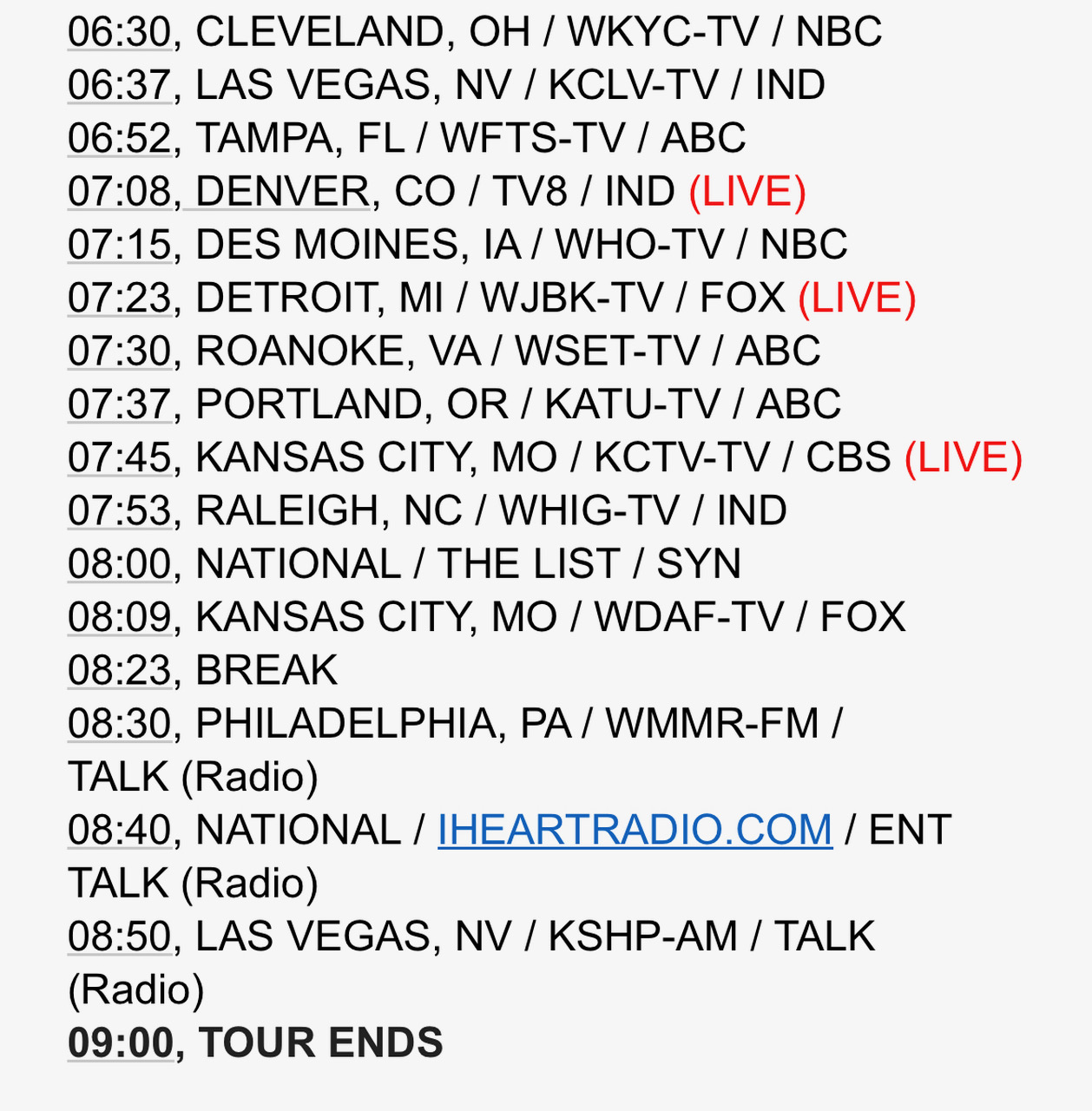
The Importance of a TV Schedule
In today’s fast-paced world, knowing what to watch on television is essential for audiences looking to maximise their entertainment options. With the rise of streaming services and numerous channels available, a well-structured TV schedule not only helps viewers plan their evenings but also ensures they do not miss their favourite shows or events. The TV schedule has become even more important as networks compete for audience attention amidst an ever-expanding pool of content.
Recent Trends in TV Scheduling
In recent months, television networks have adapted their schedules to reflect viewership trends post-pandemic, including more evening programming and events that cater to audiences’ shifting interests. For example, reality shows and live events have seen a resurgence, prompting channels to adjust their programming accordingly. On the other hand, many traditional sitcoms and dramas are facing stiff competition from serialized shows that encourage binge-watching.
Key Broadcast Highlights
This week features significant events in the TV schedule, including seasonal premieres and finales. Popular channels have planned special episodes around holidays, aiming to attract family viewership. Major networks like BBC and ITV have rolled out their autumn schedules, ensuring that every day is packed with blockbuster films, critically acclaimed drama series, and exciting documentaries. Among the shows capturing attention this week are the season finale of “The Great British Bake Off”, a fan-favourite, and the premiere of new series like “Inside Man” on BBC One.
Impact of Streaming Services
Streaming platforms such as Netflix and Disney+ are redefining the TV schedule landscape. They offer viewers the opportunity to watch content at their convenience, challenging traditional schedules. As a result, many network executives are rethinking their release strategies, with some opting for simulcasting on both streaming and cable platforms to reach broader audiences. Live shows and sports events, however, still dominate TV schedules due to their immediate engagement with audiences.
Conclusion: The Future of TV Scheduling
As viewer habits continue to evolve, the TV schedule remains a crucial tool for both networks and viewers. In the coming weeks, anticipate more strategic scheduling that incorporates live content alongside binge-worthy programming. For viewers, staying informed about the TV schedule can enhance the viewing experience, allowing them to enjoy a variety of entertainment options. Software and apps providing real-time updates and recommendations will also likely become integral in navigating the complex world of TV viewing in the future.