









Introduction
Ebola virus disease (EVD) remains a critical concern in global health, with outbreaks occurring sporadically across several regions, particularly in Africa. The importance of tracking and understanding Ebola is underscored by its high fatality rates and the challenges it presents to health systems. With an increased focus on vaccination efforts and response strategies, staying informed about Ebola outbreaks is crucial for both public health professionals and the general public.
Recent Outbreaks and Response
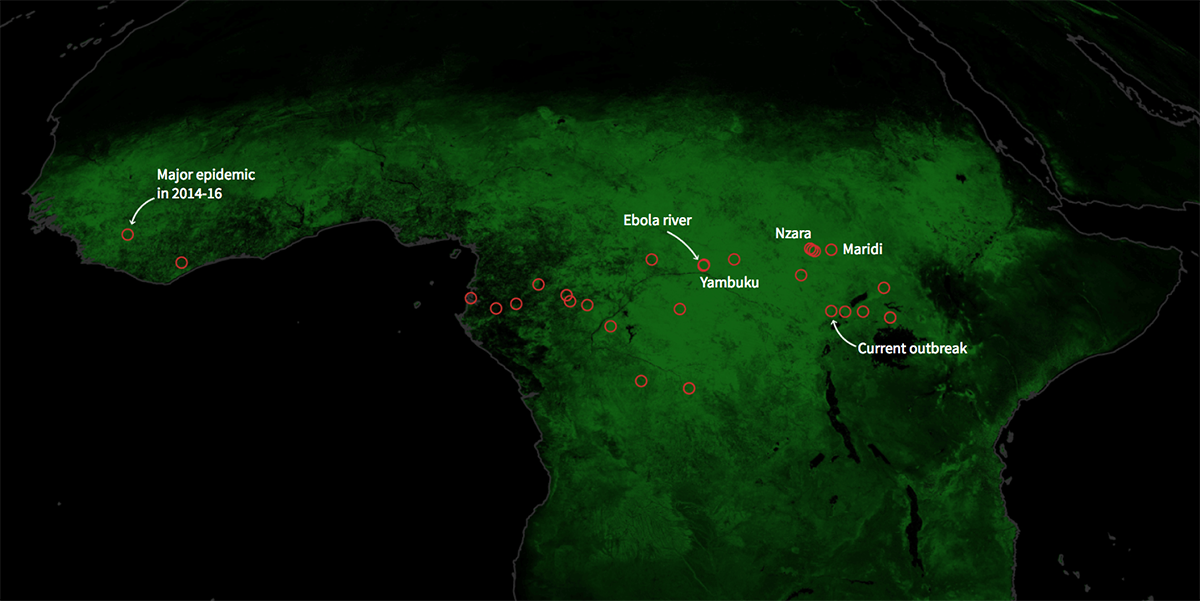
As of October 2023, the World Health Organization (WHO) has reported several active outbreaks in Central and West Africa. The most notable among these is the outbreak in the Democratic Republic of the Congo, which has seen multiple cases confirmed since late 2022. Authorities have responded by implementing rigorous contact tracing, community awareness programmes, and vaccination campaigns to curb the spread of the disease.
The Merck vaccine, rVSV-ZEBOV, has been pivotal in immunisation campaigns, showing a remarkable efficacy against the Ebola virus. WHO officials recommend vaccination for healthcare providers and individuals who may come into contact with infected patients as a critical preventive measure.
Global Collaboration in Fighting Ebola
Efforts to contain Ebola have illuminated the necessity of global collaboration in disease management. National governments, international organisations, and local communities have increasingly worked together to enhance surveillance and response strategies. Following the lessons learned from previous outbreaks, such as the devastating epidemic from 2014 to 2016, improved protocols have been established to manage future risks effectively. Funding from global health organisations has also increased, aimed at strengthening health infrastructure in affected regions.
Conclusion
The continued emergence of Ebola outbreaks highlights the ongoing challenges in infectious disease control, particularly in resource-limited settings. While progress has been made in vaccine development and public health responses, the threat of Ebola remains a significant public health concern. Moving forward, it is imperative that we maintain vigilance, support public health initiatives, and continue to invest in both medical and infrastructural solutions to prevent future outbreaks. By understanding and addressing the complexities surrounding Ebola, we can better protect vulnerable populations and improve global health security.