








Introduction
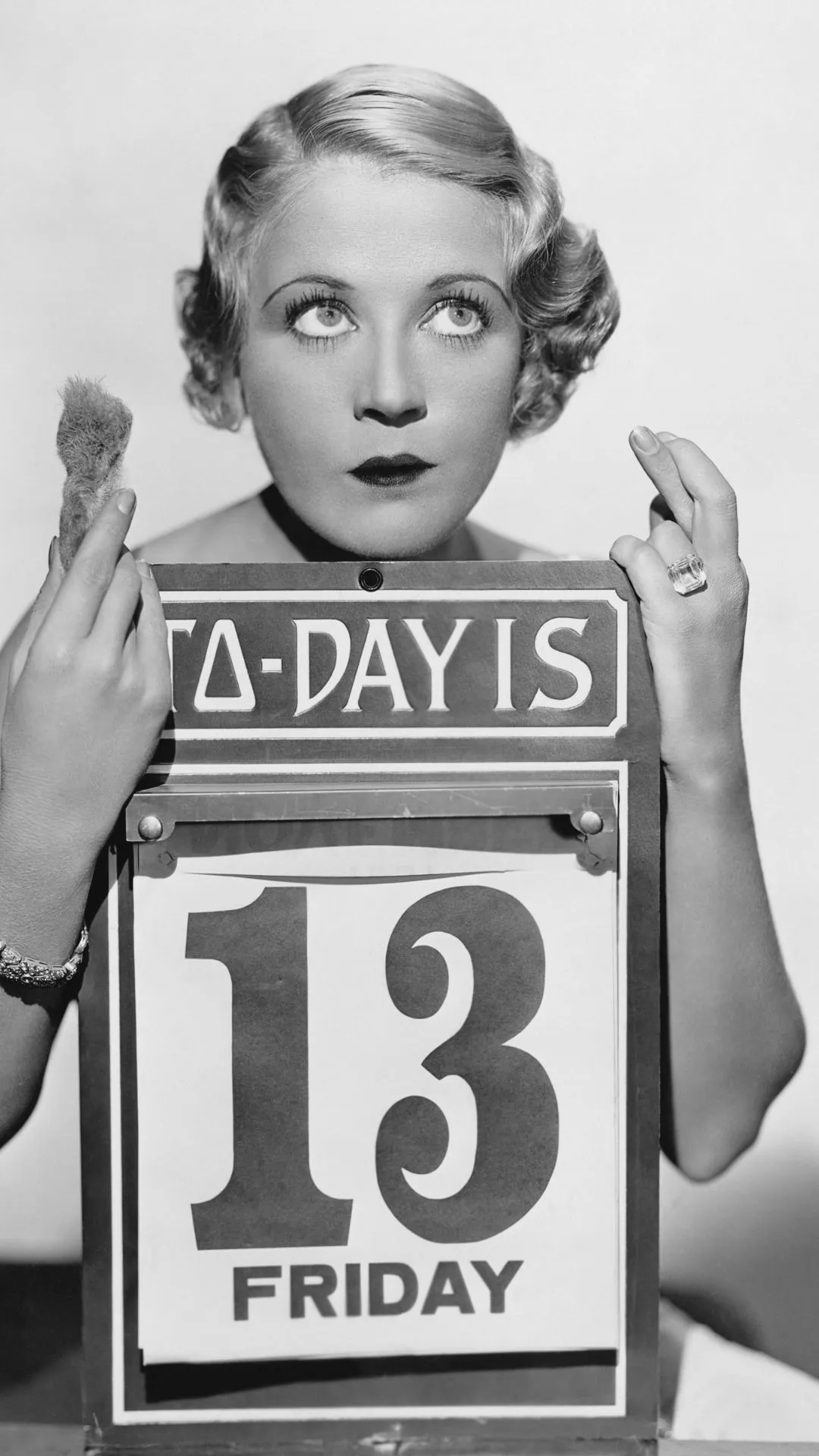
Friday the 13th is a date steeped in superstition and cultural significance, often associated with bad luck across various cultures. The fear of this day, known as triskaidekaphobia, stems from a combination of historical events and mythological narratives. With 2023 marking particularly heightened awareness of the day as it falls several times this year, its relevance continues to evolve, shaping societal behaviours and beliefs.
The Origins of Friday the 13th
The specific fear of Friday the 13th is believed to have roots in both Christian and Norse mythology. In Christianity, the number 13 is often associated with betrayal, especially during the Last Supper, where Judas, the apostle who betrayed Jesus, was the 13th guest. Additionally, Fridays are considered unlucky in several traditions. According to folklore, Friday was the day of the crucifixion of Jesus, marking it as a day of lamentation.
Modern Implications and Cultural Impact
In contemporary society, the cultural impact of Friday the 13th extends to various aspects of life, including media and entertainment. The franchise of horror films titled “Friday the 13th” has cemented the date as an icon of fright and suspense, generating a legacy of fear associated with the day. Many people avoid planning significant events, such as marriages or travels, on this date due to ill-fated beliefs. In fact, market research shows a decrease in consumer spending on Friday the 13th due to these superstitions.
Psychological Aspects
Psychologically, the day feeds into collective anxiety. Various studies indicate that superstitions can significantly influence behaviour, leading some individuals to perceive the day as genuinely unlucky. The phenomenon can lead to a self-fulfilling prophecy whereby individuals who believe in the day’s negative connotations experience mishaps and unfortunate events.
Conclusion
As society becomes increasingly driven by data and rational thought, the belief in the superstitions surrounding Friday the 13th persists. With 2023 providing multiple instances of this feared date, it raises questions about how cultural narratives shape our perceptions of luck and risk. Moving forward, while many may dismiss the day as mere superstition, its enduring impact on behaviour and societal norms reveals the complex interplay between culture and belief. The discourse surrounding Friday the 13th continues, shining a light on how we navigate human fears and uncertainties in an ever-changing world.