









Introduction
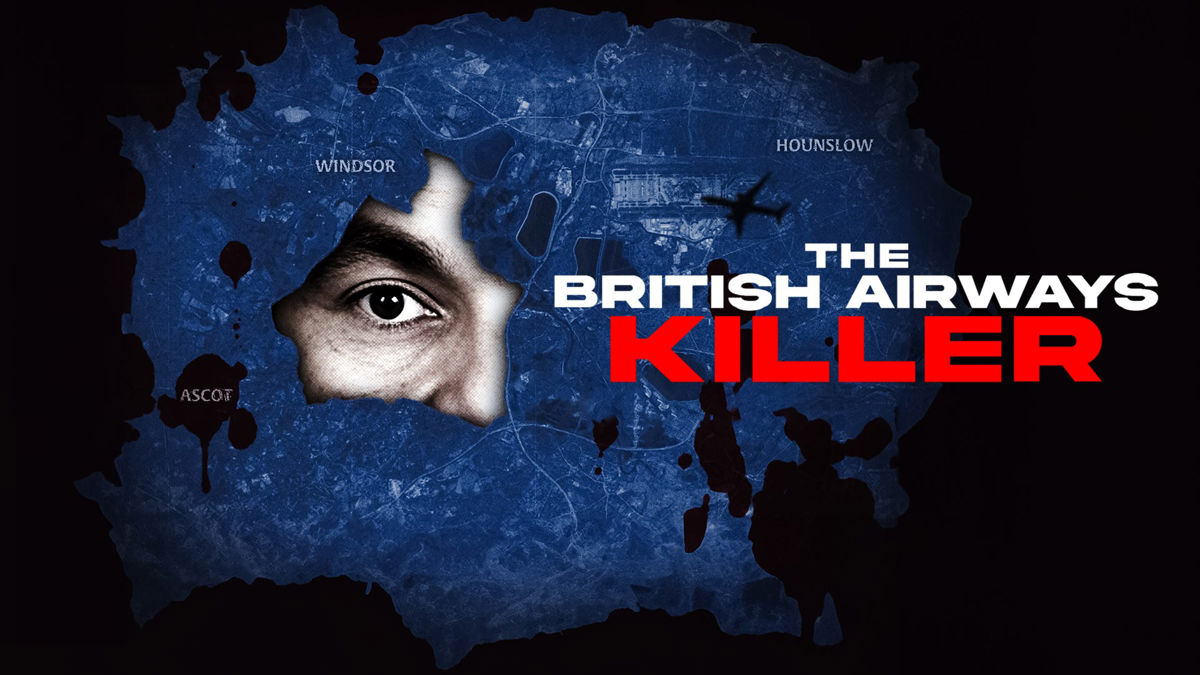
The case of the British Airways Killer is one that has resonated deeply within the realms of crime and aviation history. This chilling incident not only shocked the passengers and crew directly affected but also raised significant concerns regarding security protocols in the airline industry. The importance of examining this case lies not only in understanding the crime itself but also in recognising the subsequent reforms in safety measures that resulted from it.
The Incident
In the summer of 2023, British Airways flight 113, en route from London to New York, became the scene of a harrowing crime when a violent altercation broke out on board. Reports indicated that an individual, later dubbed the ‘British Airways Killer’, attacked a fellow passenger in a brutal confrontation that led to the latter’s tragic death. This incident unfolded in the crowded economy cabin, prompting immediate action from crew members and nearby passengers.
Response and Investigation
The flight crew quickly subdued the attacker, and upon landing at JFK Airport, local law enforcement officials arrested the suspect. Investigations revealed a troubled background involving mental health issues that may have contributed to the attack. The incident prompted British Airways to reassess security measures on their flights, as well as partnerships with mental health services to ensure passengers’ wellbeing. Further inquiries led to a focus on training flight crews to handle potential threats more effectively.
Impact on Aviation Security
This shocking event led to heightened scrutiny of airline security protocols not just within British Airways, but across the entire aviation industry. Increased insistence on rigorous background checks for passengers and more extensive mental health screenings have since been discussed. Airlines worldwide are considering implementing more robust emergency response training for cabin crews to further ensure passenger safety.
Conclusion
The ‘British Airways Killer’ incident stands as a stark reminder of the vulnerabilities present in modern air travel. It raises critical questions about the balance between security and passenger freedom. Moving forward, the hope remains that through improved training, oversight, and support systems, the airline industry can prevent further tragedies while maintaining the integrity of air travel. The case continues to serve as a catalyst for dialogue regarding mental health support and enhanced safety measures in aviation.