









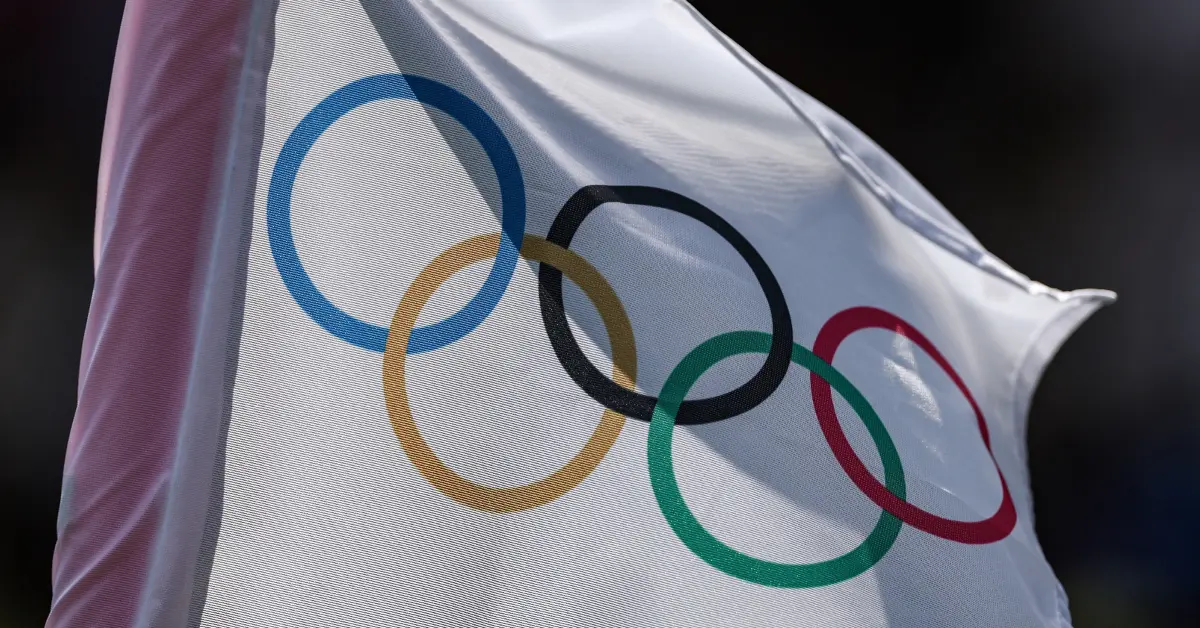
Introduction
The AIN Olympics, or the All-Inclusive Nations Olympics, represent a groundbreaking initiative aimed at fostering inclusivity and camaraderie among nations through sports. Established in 2023, these games provide a platform for athletes from diverse backgrounds, including those with disabilities, to showcase their talents on a global stage. The importance of the AIN Olympics extends beyond competition; it signifies a collective effort towards unity, respect, and understanding across different cultures.
The Foundation of the AIN Olympics
The AIN Olympics were introduced in response to the growing demand for a more inclusive sporting event that reflects the diversity of the global population. The inaugural event took place in London, attracting participation from over 150 countries. Athletes not only compete in traditional Olympic sports but also engage in adaptive sports, ensuring everyone has an opportunity to participate regardless of their physical abilities. This initiative is supported by various international sports organisations, which recognise the need to evolve and embrace inclusivity within the athletic community.
Key Events in the AIN Olympics 2023
The 2023 AIN Olympics featured a range of events including track and field, swimming, wheelchair basketball, and sitting volleyball, among others. Each event showcased athletes’ determination and skill, culminating in moments of triumph that resonated with audiences worldwide. Notably, the event highlighted stories of perseverance, such as that of Emily Carter, a para-athlete from Australia who won gold in the 100-metre dash. Her journey became a symbol of hope and inspiration for many.
Impact and Significance
The impact of the AIN Olympics reaches far beyond the athletic realm. The event acts as a catalyst for change, encouraging local communities to promote an inclusive culture in sports and beyond. Schools and community centres around the globe have begun implementing adaptive sports programmes, inspired by the stories emerging from the AIN Olympics. Furthermore, the event garnered significant media attention, raising awareness about the challenges faced by disabled athletes and fostering discussions on improving accessibility in sports facilities.
Conclusion
As the AIN Olympics pave the way for future inclusivity in sports, its legacy is expected to grow and inspire change in how the world perceives disability and athleticism. The next AIN Olympics, set to take place in 2025, promises to build on the groundwork laid in 2023, with a focus on expanding participation and international representation. The significance of the AIN Olympics lies in its power to unite nations, promote equality, and redefine the spirit of competition, ultimately encouraging more inclusive attitudes towards athletes of all abilities.