









Introduction: The Significance of the Polar Vortex
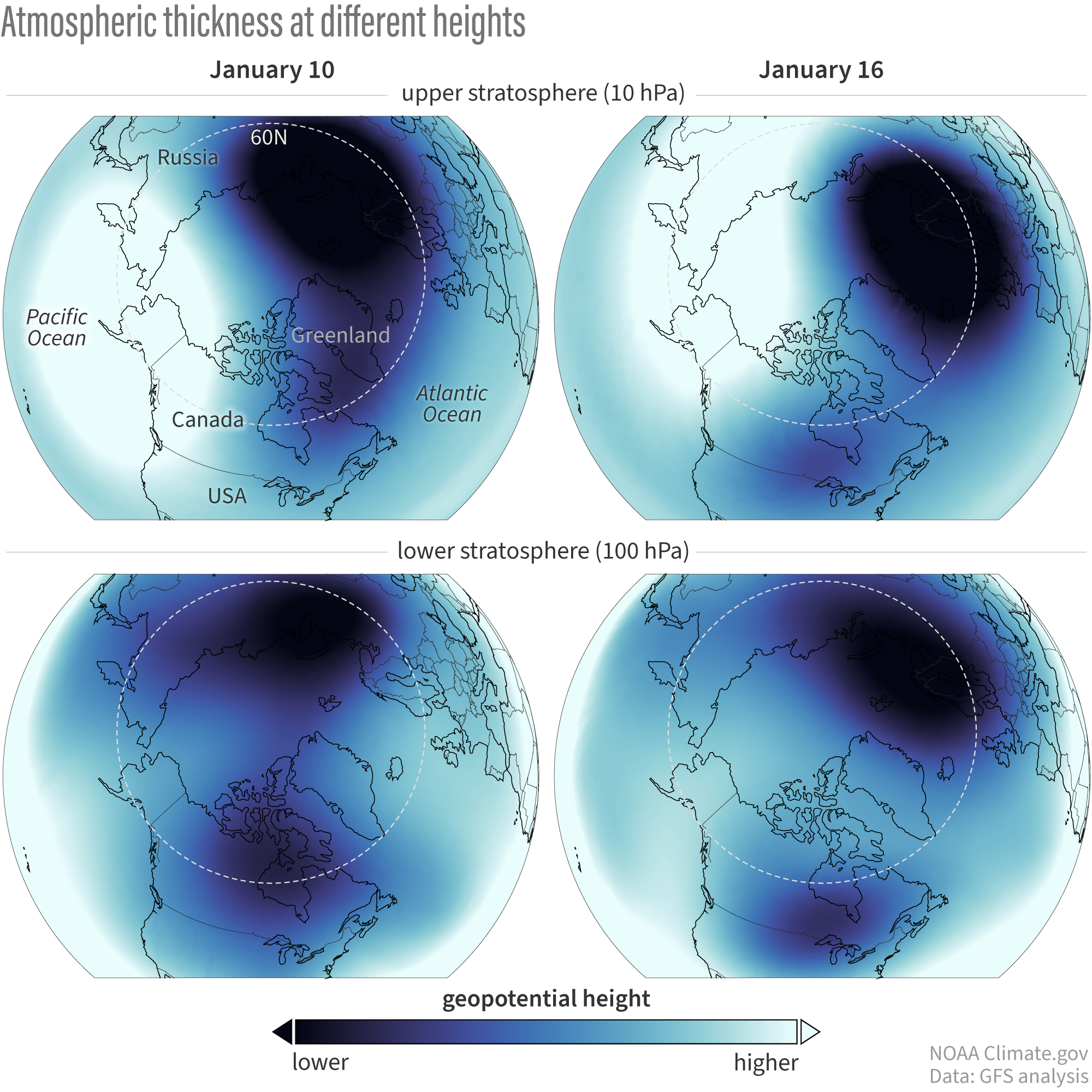
The polar vortex, a large area of low pressure and cold air surrounding the Earth’s poles, plays a crucial role in determining winter weather conditions across the Northern Hemisphere. Understanding its behaviour, particularly when a split occurs, is vital for meteorologists and residents alike. Forecasts suggest a major split in the polar vortex this winter, which could lead to extreme weather across North America and Europe.
What is a Polar Vortex Split?
A polar vortex split occurs when the atmospheric circulation around the North Pole weakens, resulting in a shift of frigid air masses that can plunge southward. Such events have been associated with significant winter weather anomalies, including increased snowfall and severe cold temperatures in lower latitudes. Scientists monitor the stratosphere—where the polar vortex resides—to predict these splitting events.
Current Forecast Details
Recent predictions from leading meteorological organisations indicate a substantial split in the polar vortex is expected in early January 2023. This analysis relies on advanced climate models and historical weather data. The forecasts point to potential disruptions in typical weather patterns as the cold air is pushed further south, impacting areas such as the Midwest and New England in the United States, as well as parts of Northern Europe.
Potential Impact on Weather Patterns
The implications of a polar vortex split can be far-reaching. Residents in the Northern Hemisphere should prepare for an array of weather conditions ranging from unusually low temperatures to heavier-than-average snowfall. In particular, states like Minnesota and North Dakota could face some of their coldest temperatures of the season, while areas further south may experience unexpected winter storms.
Conclusion: Why It Matters
Understanding the polar vortex split forecast is critical for effective preparedness in regions that may be affected by drastic weather changes. As this event approaches, meteorologists will continue to track the developments of the polar vortex and will provide regular updates. With climate change potentially influencing weather volatility, remaining informed about such phenomena is more important than ever for safety and planning. Readers should keep abreast of local forecasts and stay prepared for what could be a notable winter season ahead.