









Introduction to St Pauli
St Pauli is a professional football club based in Hamburg, Germany, renowned for its cultural significance and strong identity. Founded in 1910, the club has gained a reputation not just for its performance on the pitch but also for its values of anti-racism, anti-fascism, and social inclusion. This unique stance has attracted a diverse and passionate fan base, making it a vital part of both local and global football culture.
Recent Events
As of 2023, St Pauli continues to play in the 2. Bundesliga, Germany’s second division. The current season has seen the team facing fierce competition, yet their community-driven initiatives remain a highlight. In late September, the club launched a campaign aimed at promoting inclusivity in sports, partnering with local organisations to address discrimination. This initiative not only reinforces St Pauli’s commitment to social issues but also enhances its standing within the local community.
Moreover, during the recent matches, St Pauli’s supporters showcased their trademark creativity through various fan displays that echoed themes of social justice and solidarity. The atmosphere at their home ground, the Millerntor-Stadion, remains unrivalled, with fans expressing their views through banners and chants that reflect their values.
St Pauli’s Global Impact
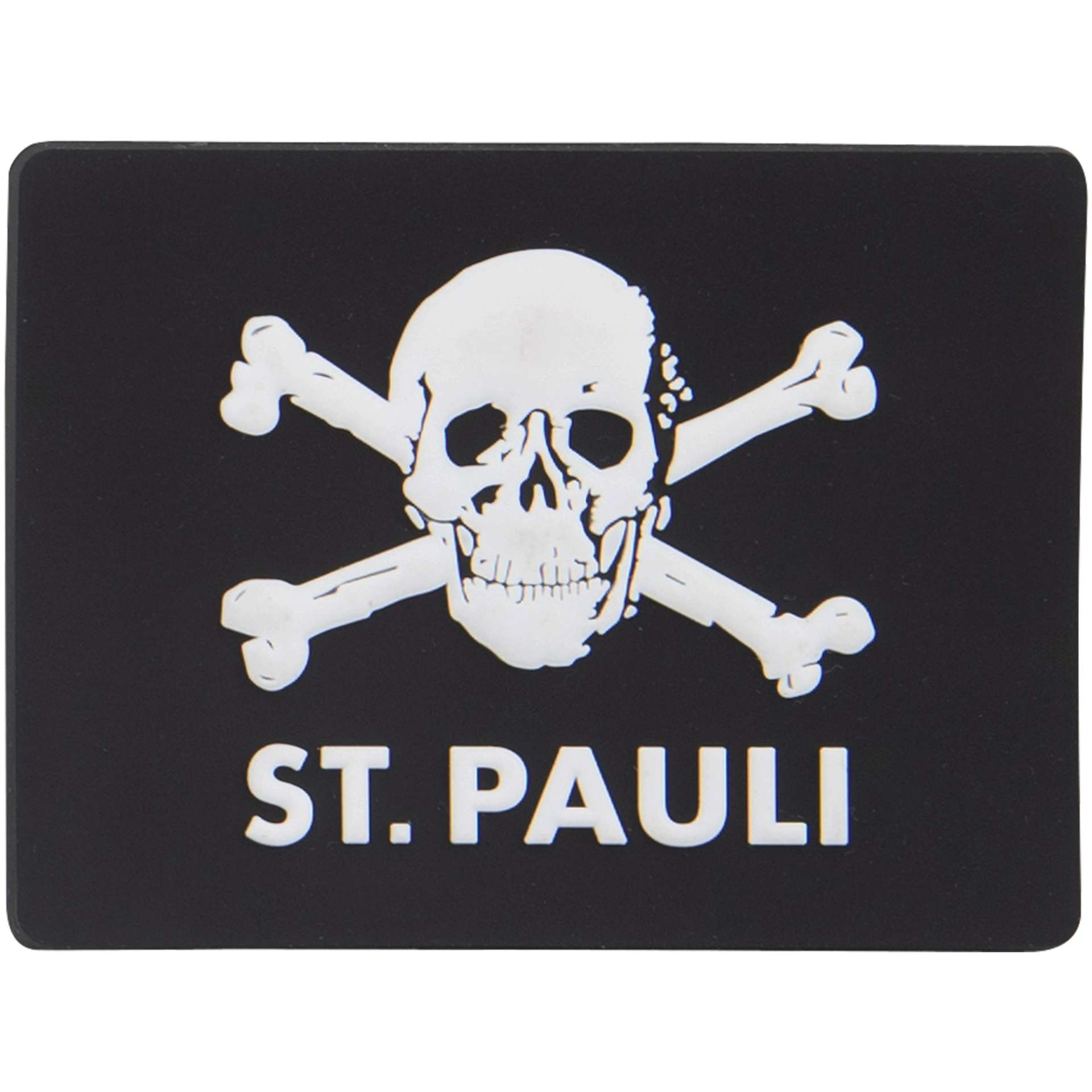
St Pauli’s influence extends beyond Germany, as its ethos resonates with football fans worldwide. The club’s merchandise, featuring the iconic skull and crossbones emblem, has become a symbol of countercultural fandom in football circles. The club’s narrative has inspired other teams to adopt similar social stances, leading to a broader movement within the sport towards accepting diversity and advocating for social justice.
Conclusion
St Pauli stands as a beacon of hope and progress in the realm of football, demonstrating that the sport can be a powerful platform for change. As the club continues to navigate the challenges of competitive football, its unwavering commitment to promoting equality and community engagement sets it apart. For fans and observers alike, St Pauli serves as a model for how sporting institutions can lead in areas that extend far beyond the game itself, reminding us all of the potential of collective action and the power of football in fostering positive social change. The future of St Pauli looks promising as they continue their dual mission of sporting excellence and social responsibility, making their story relevant to both football enthusiasts and advocates for social justice alike.