









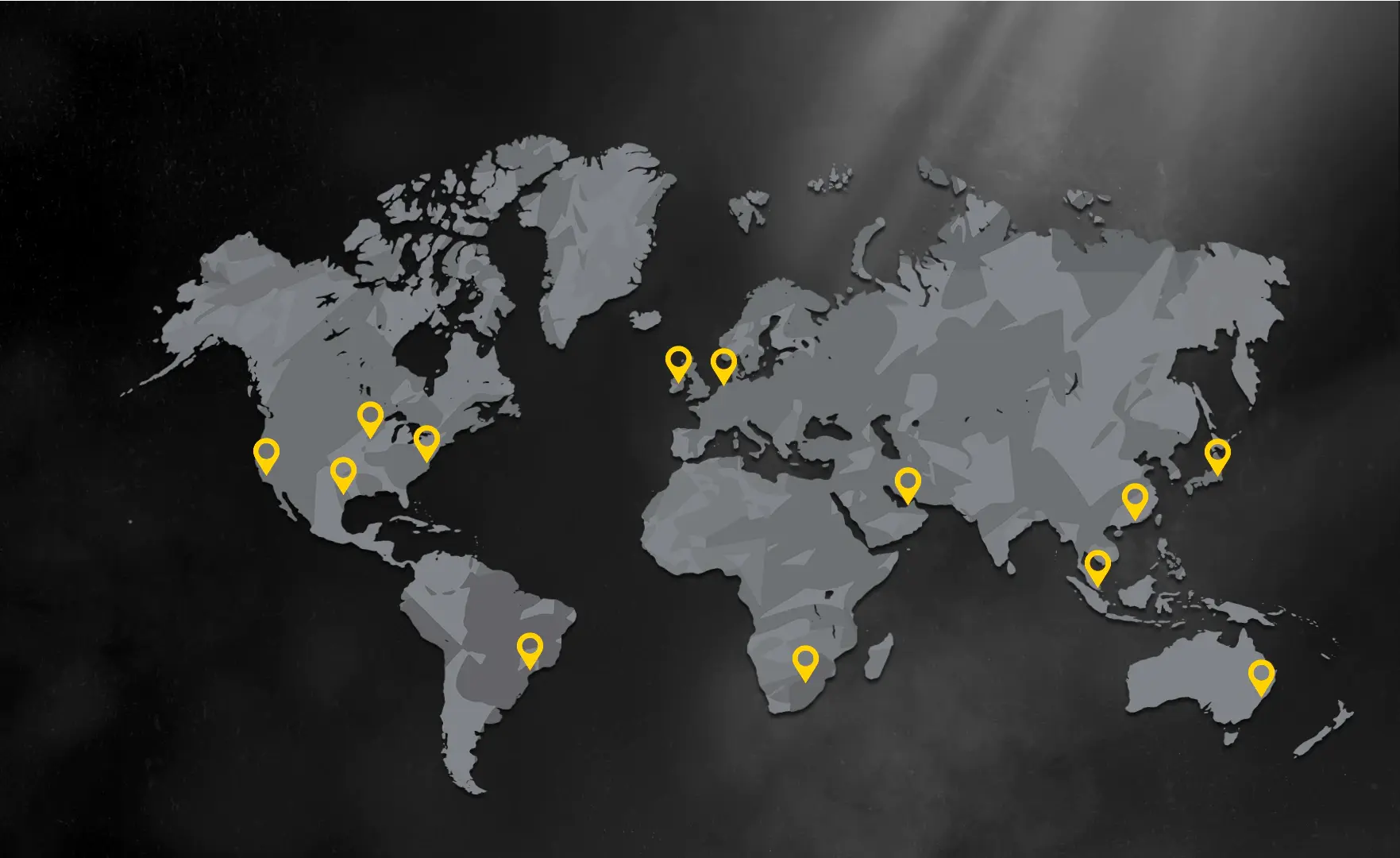
Introduction to Siege Servers
As online gaming continues to rise in popularity, the infrastructure that supports these digital interactions becomes crucial. Among various technologies, siege servers have emerged as a vital component, enhancing gameplay experiences for users worldwide. These servers are tailored to handle massive player loads, especially during peak gaming times, ensuring smooth performance and minimal lag.
The Role of Siege Servers
Siege servers function primarily in multiplayer environments, enabling around-the-clock availability and seamless connectivity for numerous players simultaneously. Initially used for military simulation games, their application has broadened across genres, including battle royales, role-playing games, and competitive shooters.
In the current landscape, titles like Rainbow Six Siege and various Call of Duty games utilise siege servers to manage high-volume traffic. For instance, during major gaming events or updates, server stability is critical as millions of players log in to participate. The advanced architecture of siege servers allows for load balancing and quick adjustments to user demand, significantly reducing server downtimes.
Current Events and Developments
Recently, several gaming companies have been investing heavily in improving their server technology. Reports indicate that popular platforms are implementing AI-driven server management systems to predict peak usage times and allocate resources accordingly. This strategic move aims to enhance user experience by providing consistent connectivity and superior gaming performance.
Moreover, with the growing prevalence of cloud gaming, the role of siege servers is expected to expand. Companies like Google Stadia and NVIDIA GeForce Now are beginning to adopt similar server technologies to optimise their services, focusing on reduced latency and enhanced graphics processing capabilities.
Significance for Gamers
For players, the impact of effective siege servers cannot be understated. A stable server enhances not only the enjoyment of gaming but also the fairness of competitive play, as lag can often lead to frustrating experiences. Furthermore, ongoing developments promise to deliver even more efficient servers, paving the way for an immersive gaming environment.
Conclusion
The future of siege servers looks bright as technology continues to innovate. With ongoing improvements and increased investment in online infrastructure, gamers can anticipate a more seamless experience. As developers strive for enhanced performance, understanding the workings of siege servers becomes crucial for enthusiasts and casual players alike. The synergy between gaming innovation and server technologies will likely shape the online gaming landscape for years to come.